Tactical Divergence: Analyzing Group K’s Defensive Disparity
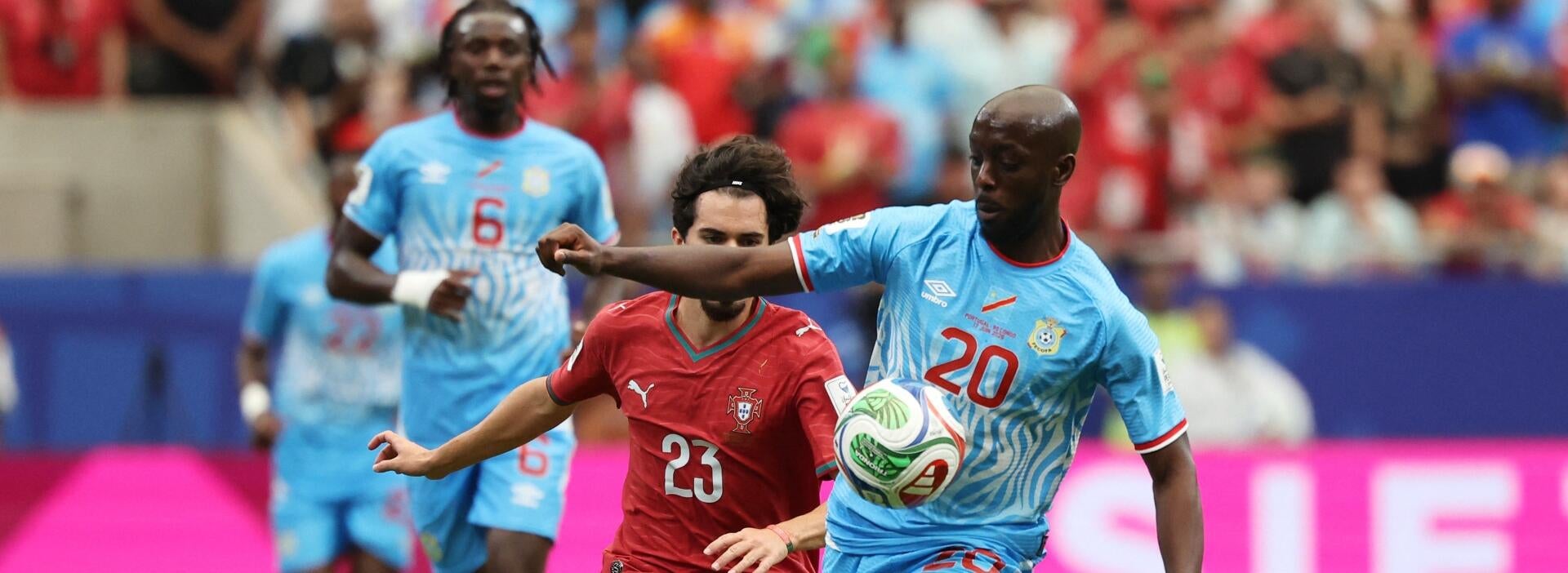
The Group K finale between the Democratic Republic of Congo and Uzbekistan at Atlanta Stadium serves as a critical diagnostic of the tournament’s expanded format. DR Congo enters the fixture with significant tactical leverage following a disciplined 1-1 draw against Portugal. This result established a performance ceiling that Uzbekistan has failed to reach, primarily due to a systemic defensive collapse that saw the Central Asian side concede eight goals across their opening two fixtures. The tactical contrast is stark: the Leopards have utilized a compact low-block and efficient transitions, while Uzbekistan has suffered from a structural misalignment in the midfield that leaves their backline exposed to high-volume attacks.
For DR Congo, the mathematical path to the Round of 32 is clear. A victory secures four points, likely placing them as a direct runner-up or a top-tier third-place qualifier. Uzbekistan, conversely, faces a must-win scenario with a severely compromised goal differential. Their 5-0 loss to Portugal exposed a lack of individual marking discipline and an inability to track late runners into the box—vulnerabilities that Congolese attackers like Yoane Wissa are specialized to exploit. The match is expected to be defined by whether Uzbekistan can stabilize their defensive third or if DR Congo will capitalize on the counter-attacking lanes inherent in Uzbekistan’s desperate need for goals.
The 52-Year Transition: From Zaire 1974 to Modern Relevance
This fixture represents the culmination of a 52-year institutional journey for Congolese football. Absent from the global stage since their 1974 debut as Zaire, the current squad’s performance validates a half-century of infrastructural rebuilding. Yoane Wissa’s recent equalizer against Portugal was more than a statistical entry; it was the nation’s first-ever World Cup goal, effectively bridging a generational gap in the country’s sporting history. This historical momentum serves as a psychological force multiplier, providing the squad with a narrative purpose that transcends standard group-stage incentives.
Geographic and Demographic Advantages in Atlanta
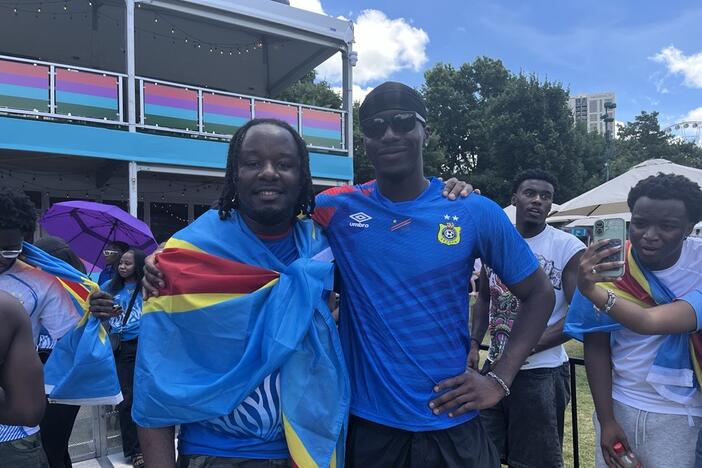
Atlanta’s selection as the host city provides DR Congo with a distinct logistical and psychological advantage. The city’s Congolese diaspora, numbering over 3,000 residents, has effectively colonized the local fan infrastructure, transforming Centennial Olympic Park into a pseudo-home venue. This concentrated support base influences the atmospheric pressure of the match, a variable that often impacts officiating and player fatigue management. From a commercial perspective, this engagement underscores FIFA’s strategy of utilizing local immigrant demographics to drive ticket liquidity and media engagement for non-traditional footballing powers.
Betting Markets and Financial Projections
Market sentiment, as quantified by FanDuel Sportsbook, heavily favors DR Congo with a money line of -145. This valuation is a direct reflection of the Leopards’ defensive reliability compared to the +410 long-shot status of Uzbekistan. The over/under at 2.5 goals suggests that while Uzbekistan’s defense is porous, DR Congo’s tendency toward conservative, result-oriented play may cap the total score. For the DR Congo Federation, advancement to the knockout stages represents a significant financial windfall, providing the capital necessary to professionalize domestic league structures and youth academies.
Broadcasting and the 48-Team Expansion Narrative
The FS1 broadcast at 7:30 p.m. ET highlights the media’s recognition of this match as a centerpiece for the 48-team expansion narrative. By showcasing a competitive clash between nations that have historically been excluded from the finals, broadcasters are targeting a diverse, globalized audience. The success of DR Congo in this tournament serves as a case study for FIFA, potentially validating the decision to expand the field by proving that competitive depth exists beyond the traditional European and South American confederations.