Maritime Traffic vs. Marine Ecology: A Collision Course
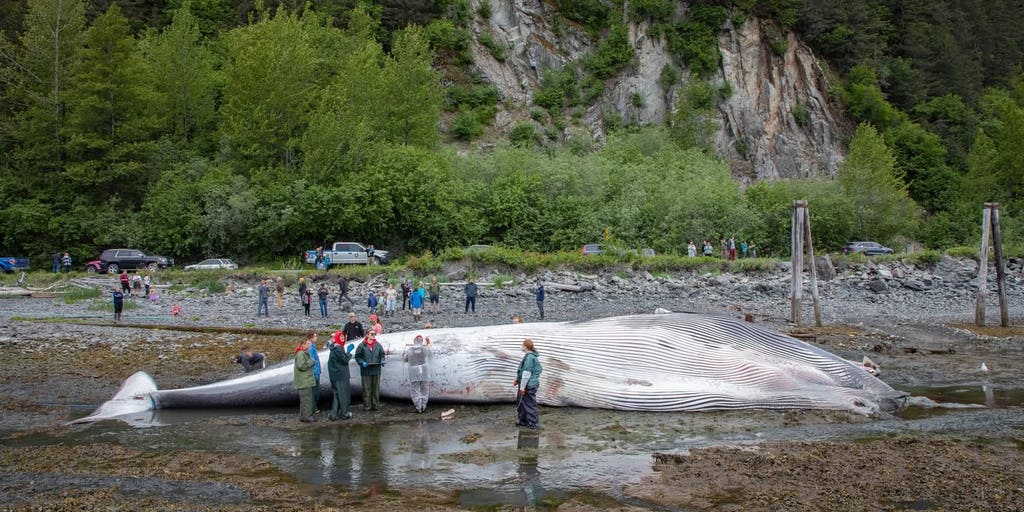
The arrival of the Royal Caribbean vessel Ovation of the Seas in Seward, Alaska, on June 19, bearing the deceased body of a 61-foot fin whale impaled on its bulbous bow, has triggered a federal investigation. Preliminary necropsy findings by NOAA Fisheries Alaska confirm blunt force trauma to the whale’s jaw, spine, and ribs, indicating a high-impact vessel strike. This incident serves as a critical case study for the complex interplay between large-scale commercial shipping operations and the ecological integrity of sensitive marine ecosystems, particularly where endangered species reside.
The physical intersection of massive steel hulls and marine megafauna represents a persistent, often unobserved, risk inherent to operating large cruise ships in established maritime corridors. Understanding the mechanics and frequency of these events is crucial for developing effective mitigation strategies.
Operational Realities and Intensifying Regulatory Scrutiny
The discovery of the whale, identified as a pregnant female in good nutritional condition, intensifies scrutiny on the frequency of such collisions. While the exact circumstances are under review, the event underscores the inherent difficulty in preventing strikes in busy shipping lanes that overlap with whale migratory paths. Royal Caribbean has confirmed the vessel reported the incident and is cooperating with federal authorities. This event necessitates a recalibration of risk assessment protocols for maritime operators in protected waters, demanding a critical evaluation of current navigation practices, speed limits, and marine life detection technologies.
Balancing rigorous transit schedules with stringent environmental protection mandates is a central challenge for the cruise sector, especially as public and regulatory pressure mounts. The operational visibility of this particular strike places a significant corporate responsibility challenge on the company, moving a typically unseen maritime hazard into public view.
Strategic Ramifications for the Cruise Industry
The cruise industry’s long-term viability is increasingly contingent on demonstrating robust environmental stewardship. The Ovation of the Seas incident transforms a statistically common yet often unreported maritime occurrence into a high-profile public relations and corporate governance issue. This heightened visibility compels the industry to reconcile its operational footprint with growing demands for sustainable practices. The potential financial and reputational consequences are substantial, potentially leading to increased regulatory oversight from agencies like NOAA and international maritime bodies.
Should the investigation reveal systemic lapses in vessel monitoring or speed management, the industry could face more stringent operational requirements. These might include mandatory speed reductions in critical whale habitats or the widespread adoption of advanced acoustic detection systems to provide early warnings to bridge crews. Proactive investment in collision-avoidance technologies and comprehensive environmental management programs will likely become critical differentiators for cruise lines seeking to maintain their social license to operate.
The Broader Crisis of Maritime Congestion and Wildlife Impact
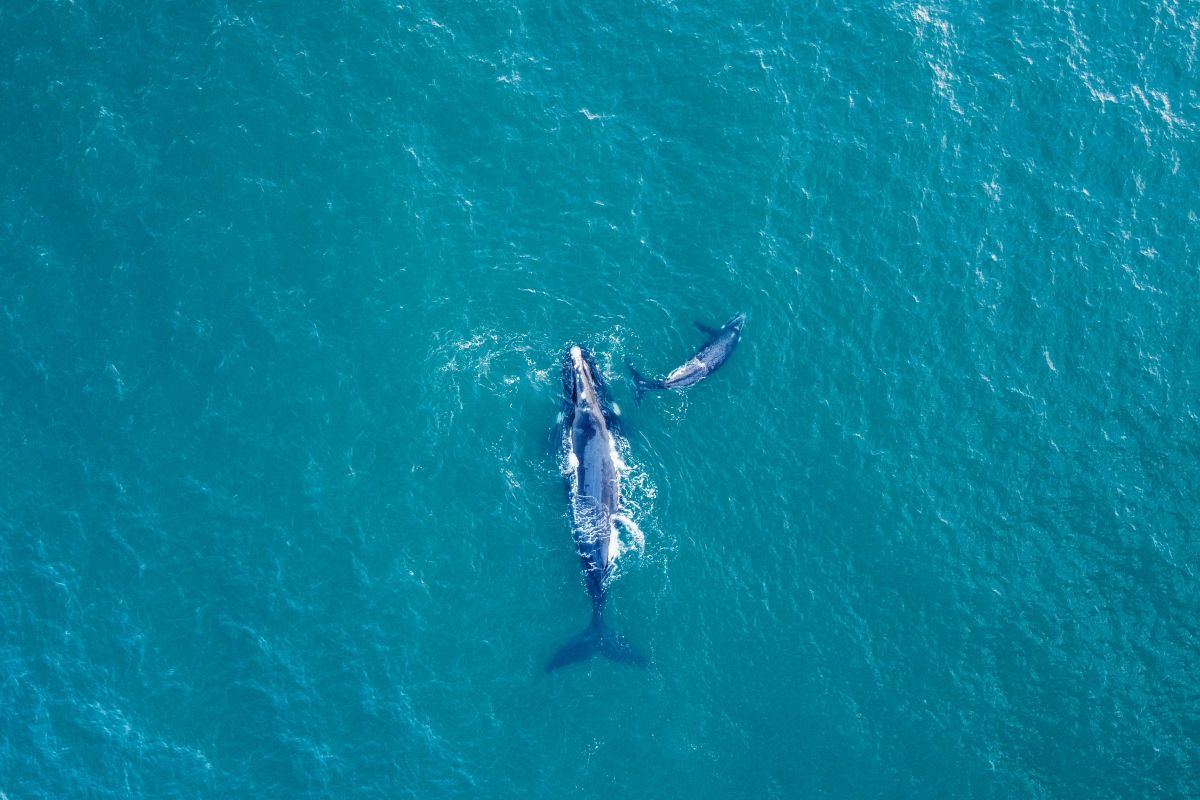
This incident is symptomatic of a larger, global challenge: the intensification of commercial maritime traffic in ecologically vital marine environments. An estimated thousands of whales are struck annually by various vessels worldwide, highlighting the systemic nature of this threat. The challenge extends beyond cruise ships to the entire global shipping infrastructure, which underpins international trade and tourism.
The core structural issue is the increasing overlap between established shipping lanes and the critical migratory routes of large marine mammals. As global trade expands, maritime traffic density rises, directly increasing the probability of devastating interactions. Addressing this requires a coordinated, multi-stakeholder approach involving shipping companies, marine scientists, and government regulators to map high-risk zones and implement effective mitigation strategies that do not unduly impede global logistics.
Institutional Responses and Future Industry Trajectories
The handling of the Ovation of the Seas incident will likely set a precedent for future vessel strikes. While the cruise operator’s cooperation with authorities aligns with current protocols, the event underscores the limitations of purely reactive measures. A definitive shift towards proactive risk management will necessitate significant investment in technological advancements and potentially a re-evaluation of how maritime routes are planned and executed in ecologically sensitive regions.
Furthermore, the incident highlights the critical need for transparent reporting and robust data-sharing initiatives to improve understanding of collision patterns. Analyzing the specific circumstances of each strike is essential for the maritime industry to develop more effective avoidance strategies and contribute to a comprehensive global effort to protect marine life. This transparency is vital for maintaining public trust and governmental support in areas prioritizing marine conservation.
Economic Imperatives and Environmental Alignment
The cruise industry’s long-term economic sustainability is intrinsically linked to its environmental performance. As public awareness of marine conservation issues escalates, tolerance for incidents causing endangered species mortality diminishes. Companies that strategically invest in collision-avoidance technologies and integrate rigorous environmental stewardship into their core operations are likely to navigate the evolving regulatory landscape more successfully.
Conversely, a failure to address these systemic risks could result in escalating operational costs, significant legal liabilities, and severe damage to brand reputation. The industry stands at a crucial juncture where environmental compliance is transitioning from a peripheral consideration to a central element of strategic business planning. The findings of the federal investigation into the Ovation of the Seas incident are expected to significantly influence the development of new safety standards and operational guidelines across the entire sector.
Synthesizing Institutional Impact and Future Direction
The incident involving the Royal Caribbean vessel serves as a potent symbol of the inherent tension between global economic pursuits and ecological preservation. It underscores the reality that even with established safety protocols, the sheer scale and density of modern maritime operations generate unavoidable risks. The path forward necessitates a transition from reactive incident reporting to a more integrated, technology-driven, and preventative approach to marine safety.
Ultimately, the significance of this event lies in its potential to catalyze meaningful institutional change. Whether through the adoption of advanced navigation technologies, the implementation of dynamic speed restrictions in critical zones, or enhanced collaboration with marine biologists, the industry must demonstrably commit to minimizing its impact on marine life. The ongoing federal investigation will serve as a critical barometer for the sector’s willingness and capacity to proactively address these complex challenges in the years ahead.