The Mechanics of Expanded Tournament Play
The expansion of the 2026 FIFA World Cup to 48 teams has fundamentally altered the competitive landscape, necessitating a shift in how advancement is determined. With 32 teams progressing to the knockout stage, the tournament structure now incorporates granular tiebreaker protocols to manage the increased participant volume and group complexity.
Crucially, FIFA World Rankings have been integrated as the seventh tiebreaker for third-place teams. This administrative shift introduces a quantitative, long-term metric into a previously performance-only qualification process. Teams must now view their global ranking not just as a status symbol, but as a potential contingency for survival in a tightly contested group phase.
Strategic Implications of the Seventh Tiebreaker
The reliance on FIFA rankings is significant because third-place teams lack direct head-to-head matches against counterparts from other groups. By utilizing a pre-existing metric, FIFA rewards sustained excellence over the volatility of a single group stage. This creates a clear incentive for national federations to prioritize high-level consistency throughout the qualification cycle, as the margin for error is now heavily mediated by historical data.
Operational Dynamics and Competitive Balance
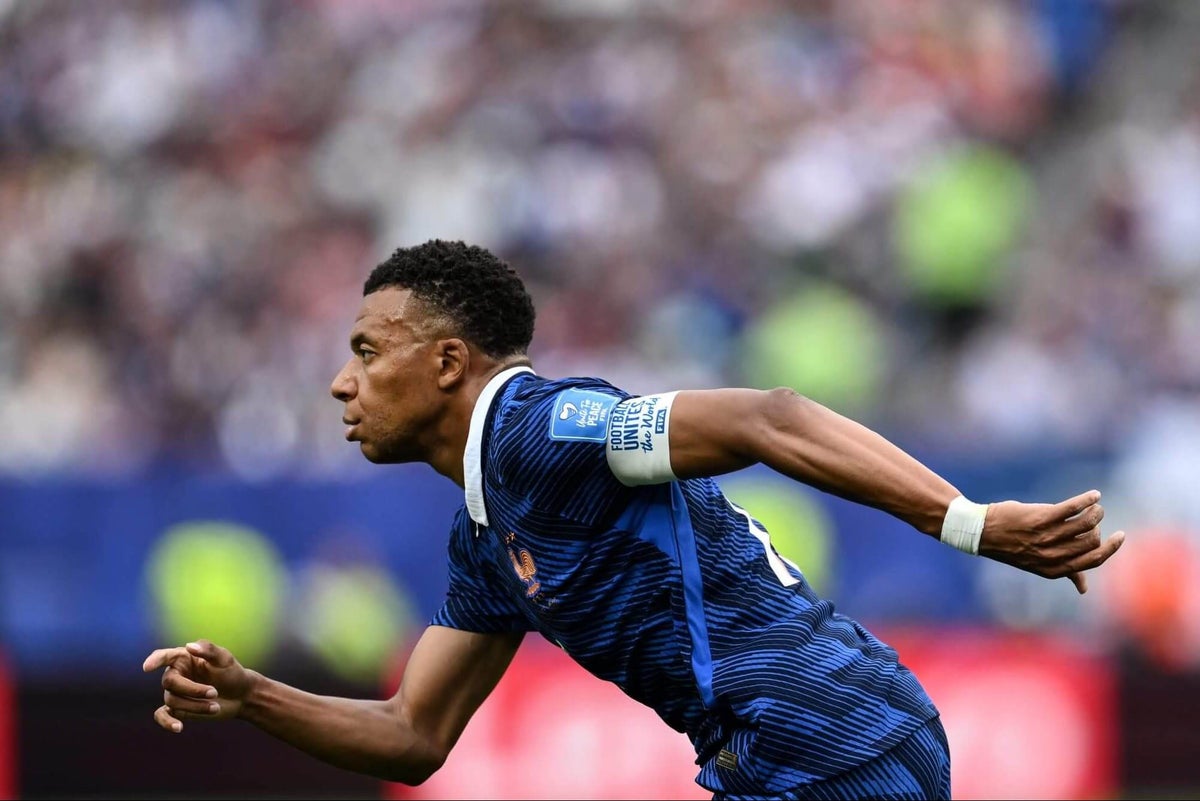
The current tournament cycle illustrates the inherent volatility of an expanded field. The early exits of teams like Turkiye, Panama, and Tunisia underscore a high-stakes environment where every match outcome carries systemic weight for the entire competition bracket. While individual brilliance from players like Lionel Messi and Kylian Mbappe continues to define narratives, structural changes ensure that team-wide performance metrics remain the ultimate arbiter of success.
Economic and Institutional Impact
The 2026 World Cup represents a significant evolution in the commercial scale of international football. By expanding the field, FIFA has increased the volume of high-value content, necessitating more rigorous, transparent tiebreaking procedures to maintain competition integrity. For commercial partners and broadcasters, these procedural updates create a complex yet engaging narrative arc, with financial outcomes for participating nations directly linked to knockout-round advancement.
Evaluating Market Positioning and Systemic Risk
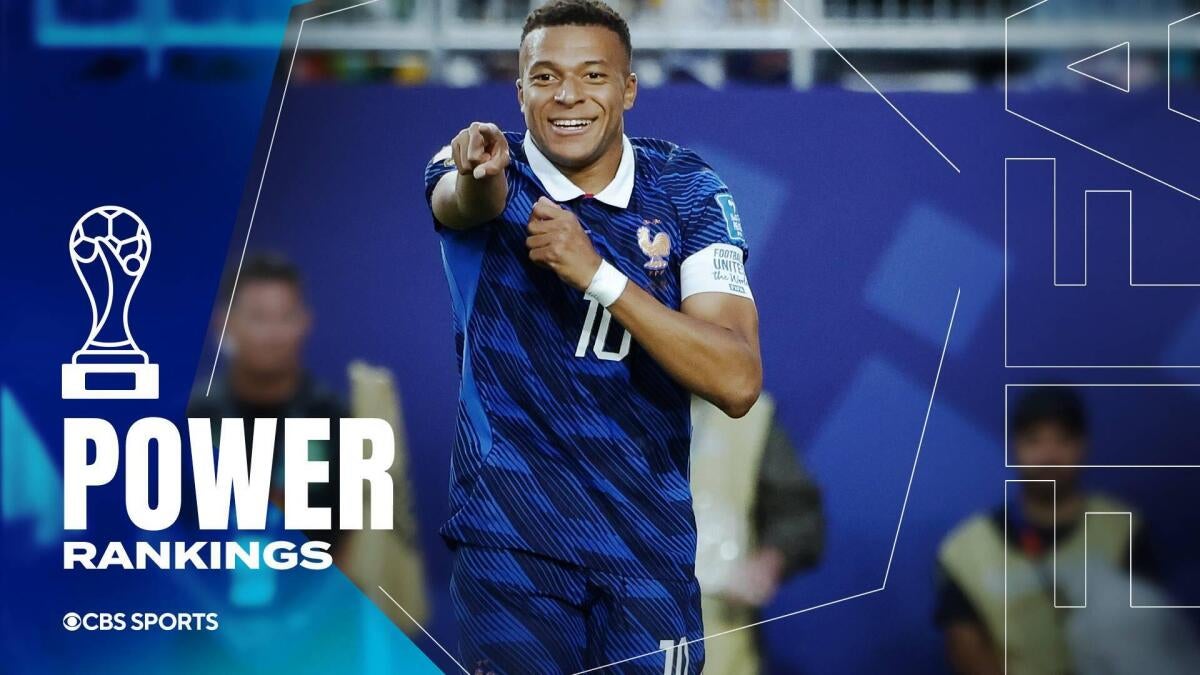
Current power rankings—led by France and Argentina—provide a barometer for team strength, blending recent form with historical context. However, the reliance on FIFA rankings as a tiebreaker introduces systemic risk by tying tournament progression to external metrics beyond immediate on-field control. As the knockout stages approach, the efficacy of these rules will be measured by their ability to balance data-driven fairness with the competitive intensity expected of a global spectacle.