Strategic Evolution in the National League West
The upcoming divisional series between the Los Angeles Dodgers and the San Diego Padres at Petco Park highlights the shifting competitive equilibrium of the National League West. While the Dodgers maintain a commanding nine-game divisional lead, the tactical configurations deployed by both front offices emphasize long-term postseason optimization. This rivalry has transitioned from a traditional battle of top-tier starting pitching into a complex test of active roster depth and analytical run-prevention strategies.
With the Dodgers leading the Major Leagues in run-differential efficiency, the Padres must navigate immediate high-leverage pressure in the wild-card race, currently trailing the St. Louis Cardinals. This structural disparity forces contrasting tactical approaches to game management and bullpen utilization over the multi-game set.
The Analytical Risk Profile of Walker Buehler
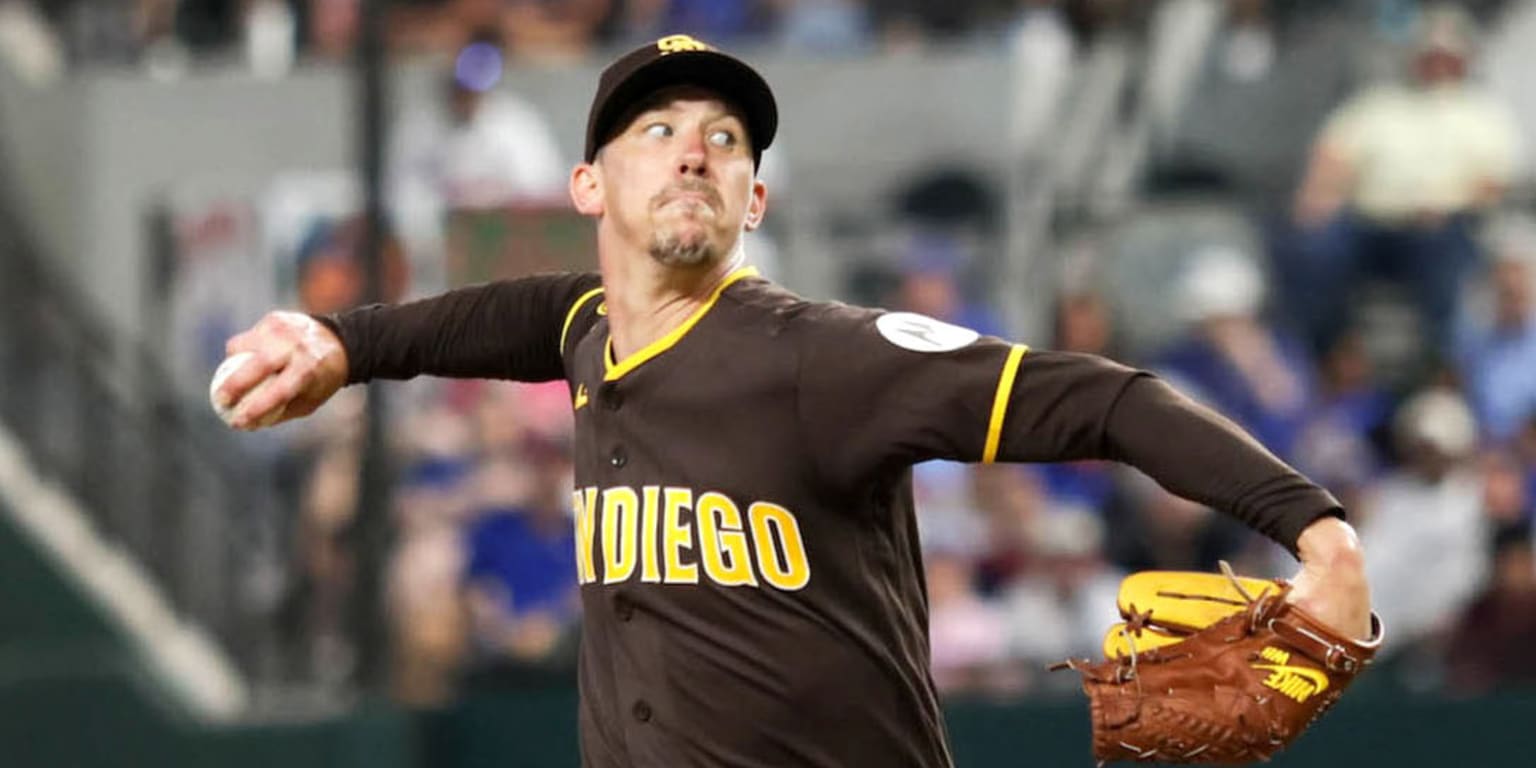
Walker Buehler’s transition to the opposing side of this divisional rivalry introduces a high-variance variable to the series. A cornerstone of the Dodgers’ rotation during his peak performance window (2018–2021), his entry into the Padres’ pitching infrastructure emphasizes the high volatility of post-rehabilitation pitching assets.
Buehler’s historical baseline against San Diego—characterized by a 1.80 ERA across 12 regular-season starts—provides a strong statistical precedent. However, accounting for recent injury-induced performance degradation, his current utility requires precise leverage management to mitigate defensive exposure against a highly efficient opposing lineup.
Yamamoto and the Dodgers’ Rotational Sequencing
Yoshinobu Yamamoto’s scheduled start in the middle game of the series exemplifies the Dodgers’ commitment to sustained rotational efficiency. His recent performance metrics—highlighted by a 2.01 ERA in June and an elite streak of 45 consecutive batters retired—validate the organization’s player acquisition and development paradigms.
The delta between Yamamoto’s current pitching run-value and the performance volatility of the injured list highlights the Dodgers’ strategic reliance on high-ceiling international assets. His ability to suppress soft contact, limit base runners, and sustain velocity deep into pitch counts remains central to the club’s defensive efficiency.
Operational Metrics and Lineup Depth
The Dodgers’ collective statistical profile, featuring a league-leading .783 OPS and a 3.25 starting rotation ERA, indicates sustainable operational health. This high offensive floor compels divisional opponents like San Diego to implement aggressive, high-variance strategies to neutralize the run-expectancy matrix.
The Padres aim to leverage recent positive regression, including a sweep of the Atlanta Braves, to stabilize their playoff positioning. Relying on depth options like Randy Vásquez in high-leverage matchups against elite offensive units demonstrates the organizational stress of managing pitching inventory over a 162-game season.
Institutional Philosophies and Roster Construction
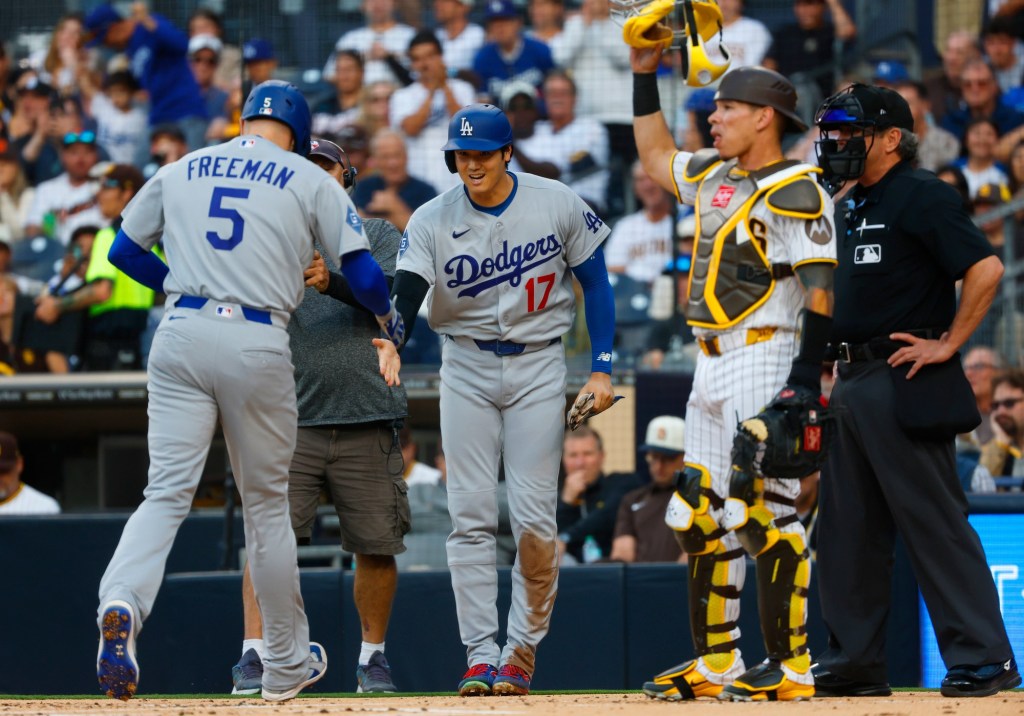
The persistent competitiveness of the Dodgers-Padres matchup serves as an ongoing test of contrasting front-office philosophies. The Dodgers’ ability to assimilate premier talent like Shohei Ohtani—who posted a 1.173 OPS in June—while simultaneously generating low-cost productivity from their developmental pipeline, provides a highly sustainable blueprint for organizational success.
Conversely, the Padres’ aggressive allocation of capital toward wild-card retention illustrates the challenging operational environment of competing directly with a perennial divisional anchor. This dynamic influences short-term trade deadline strategies and active roster optimization.
Synthesizing Lineup Run-Production Metrics
The presence of elite run-producers like Freddie Freeman and Max Muncy, who continue to sustain high on-base and slugging metrics, provides significant insulation for the Dodgers’ pitching staff. This depth reduces the leverage pressure on high-stress relief situations, allowing the coaching staff to optimize workloads without compromising win probability.
As the trade deadline approaches, the strategic outcomes of this head-to-head series will likely dictate the transaction velocity for both franchises, establishing the trajectory for the final third of the regular season.