
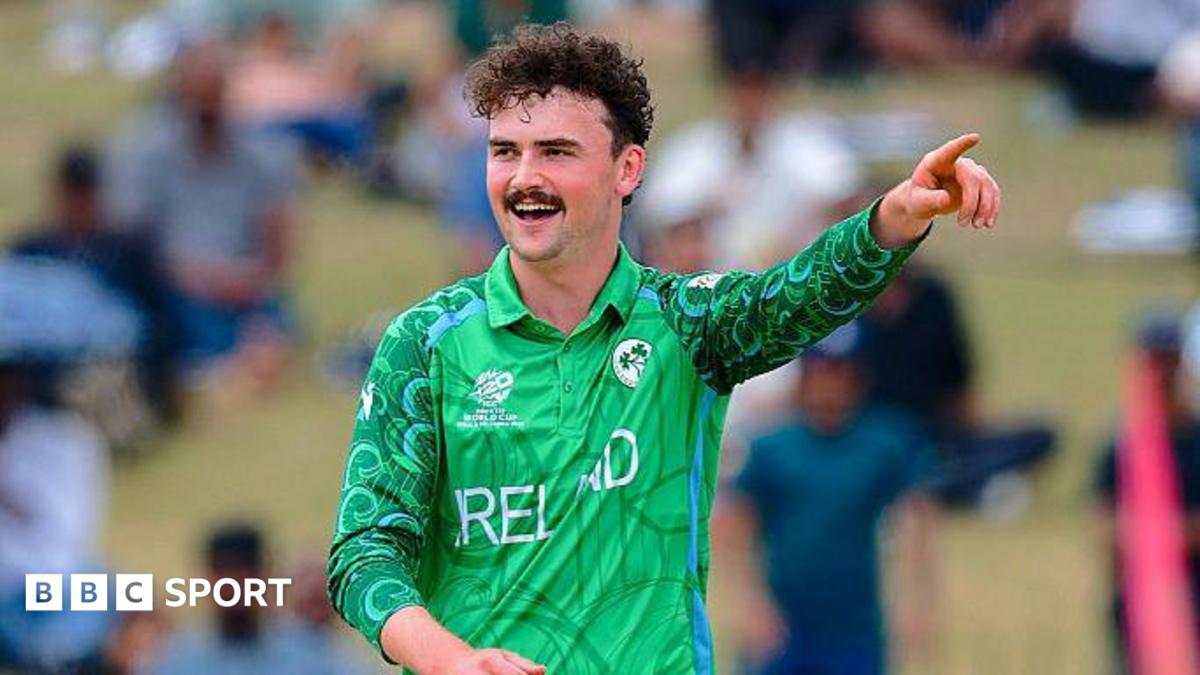
Venue Monetization and the Infrastructure Deficit
The scheduling of the India-Ireland T20I series at Stormont in Belfast highlights the structural vulnerability of associate-nation infrastructure under global market pressure. Forced out of Dublin’s 12,000-capacity Malahide due to pre-booked commercial concerts, Cricket Ireland’s relocation to Belfast’s 5,000-seat Stormont exemplifies a broader operational challenge: sports governing bodies competing directly with high-yield entertainment properties for venue access. This displacement caps ticketing yield at under 42% of Malahide’s capacity, creating artificial scarcity, elevating administrative overhead, and exposing severe facility limitations when hosting high-demand touring sides.
The Sooryavanshi Effect: Monetizing Youth Prodigies
The inclusion of 15-year-old batting prodigy Vaibhav Sooryavanshi has fundamentally altered the tour’s commercial and demographic dynamics. Coming off a historic 2026 IPL campaign featuring 776 runs and 65 sixes, Sooryavanshi’s presence has transformed a standard bilateral series into a high-yield broadcasting and ticketing event. This ‘Sooryavanshi effect’ has overridden initial market hesitation regarding diaspora travel to Northern Ireland, demonstrating that individual player micro-branding can bypass traditional macroeconomic and geographic limitations to drive unprecedented ticketing demand.
Competitive Imbalance and Institutional Risk
From an athletic standpoint, the series highlights the fragility of second-tier cricket programs missing top talent. Depleted by injuries to foundational players Josh Little, Mark Adair, and Paul Stirling, Cricket Ireland is forced to field debutants Matthew Hollard and Jai Moondra against the reigning world champions. For the host board, this creates a stark trade-off: the immediate financial windfall of hosting India’s lucrative broadcast rights versus the long-term risk of a non-competitive series that could damage the competitive credibility of the Irish national team.
Tactical Evolution in India’s Leadership Post-Championship
The appointment of Shreyas Iyer to replace Suryakumar Yadav as T20I captain marks a strategic transition following India’s series victory over New Zealand in March. Rather than maintaining the championship-winning squad’s status quo, India’s selectors have prioritized tactical modernization. Integrating hyper-aggressive youth players like Sooryavanshi alongside Iyer’s structured middle-order leadership indicates a transition toward a high-risk, high-boundary-rate batting blueprint designed to render traditional defensive bowling analytics obsolete.
Regulatory Implications of Elite Youth Integration
Sooryavanshi’s participation at age 15 in senior international fixtures introduces complex regulatory questions regarding talent pipeline management and age-restricted labor in professional sports. If he debuts, the series will establish a new legal and physical benchmark for youth development in cricket. This shift will require sports governing bodies to balance player-welfare protocols with the commercial pressure to fast-track elite prodigies into global broadcasting windows.
Photo by yogendras31 on Pixabay.