The Anatomy of a High-Profile Transition
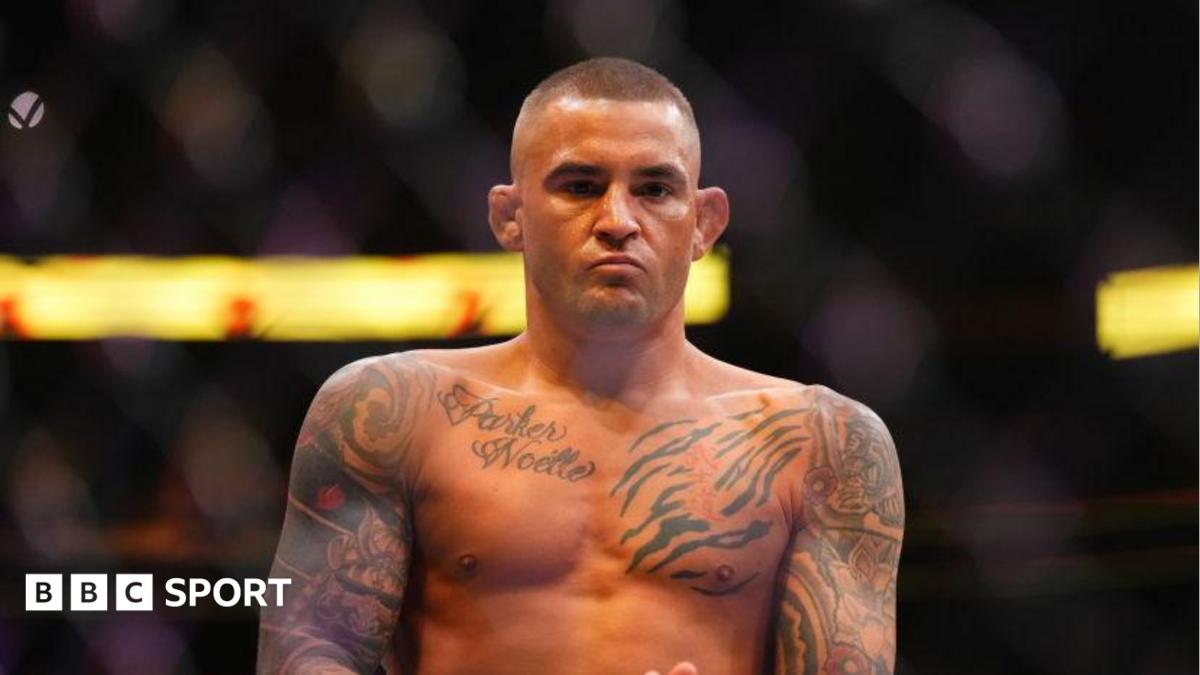
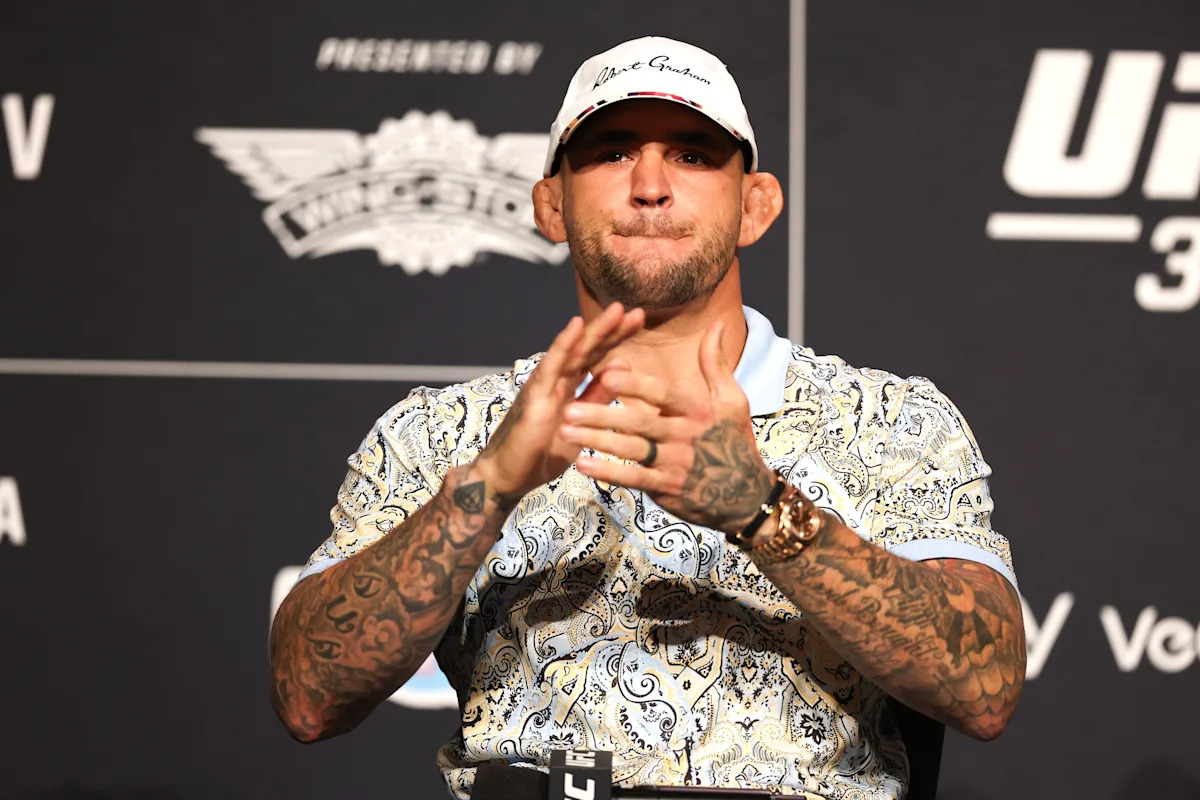
The arrest of former UFC standout Dustin Poirier for public drunkenness at Hartsfield-Jackson Atlanta International Airport acts as a critical case study regarding the volatility of post-professional athletic life. Poirier, 37, who concluded a 16-year career in mixed martial arts, was apprehended following a confrontation with law enforcement after his removal from a flight. Body camera footage documents an episode of acute distress, serving as a visceral indicator of the psychological voids often concealed by the external success of elite combat sports.
Legal repercussions for Poirier currently center on a misdemeanor charge of public drunkenness under Georgia law, which carries potential penalties including fines or incarceration. However, the discourse has shifted toward his public admission of struggle. By acknowledging his need for professional intervention, Poirier has elevated the event from a standard police incident to a necessary critique of the institutional support structures—or lack thereof—available to retired combat athletes.
Systemic Pressures in Combat Sports
The transition from the high-stakes, adrenaline-dense environment of the UFC to civilian life represents a major point of systemic failure. Athletes who define their identity through two decades of physical dominance often experience a profound loss of purpose upon the cessation of training cycles. Poirier’s admission—linking his behavior to the difficulty of transitioning out of professional fighting—illustrates a recurring pattern of identity crisis common among elite competitors.
Alcohol frequently serves as a maladaptive coping mechanism when the external regulatory framework of fight camps vanishes. This shift is not merely a personal failing but a structural hazard inherent in a career path that mandates total human immersion, only to terminate abruptly. When the biological and social demands of the cage are removed, the lack of a standardized off-ramping process often leaves athletes vulnerable.
Institutional and Legal Context
Atlanta Police Department footage provides granular insight into the escalation. Poirier’s behavior—characterized by agitation and verbal confrontation—highlights the challenges law enforcement faces when managing individuals in states of psychological crisis. The eventual resolution, marked by a moment of relative calm, reinforces the interpretation of the event as an episode of distress rather than criminal intent.
As the case proceeds through Georgia’s judicial channels, the broader focus remains on the distinction between the legal outcome and the athlete’s stated commitment to rehabilitation. This duality underscores the disconnect between the punitive measures of the legal system and the long-term restorative needs of retired professional athletes.
The Economics of Athlete Retirement
Financial capital accumulated during a 16-year tenure does not insulate athletes from the psychological attrition of retirement. The combat sports industry, while highly lucrative, has faced sustained scrutiny regarding its stewardship of legacy talent. As veterans navigate the transition, the void in formal, post-career mental health support structures becomes glaringly apparent.
The impact of such public incidents on a personal brand is significant, yet secondary to the individual’s long-term health. By addressing his situation with transparency, Poirier has set a precedent, forcing a conversation about how retired icons manage the optics of personal crisis while navigating an unforgiving public landscape.
Strategic Implications for the Industry
The sports industry must acknowledge that retirement is a complex, multi-year process rather than a singular endpoint. Organizations profiting from an athlete’s prime years maintain a strategic interest in ensuring that the transition does not culminate in public decline. This incident may catalyze a long-overdue re-evaluation of the mental health counseling frameworks provided to those exiting the professional circuit.
Ultimately, Dustin Poirier’s arrest serves as a sobering reminder of the fragility inherent in life after the elite stage. The path forward involves navigating legal accountability while addressing the root factors of his distress. The industry’s response to this event will likely shape the standard of care for future generations of fighters, potentially incentivizing more robust, systematic mental health integration.