The Anatomy of a Lead: Strategic Execution at the 2026 U.S. Open
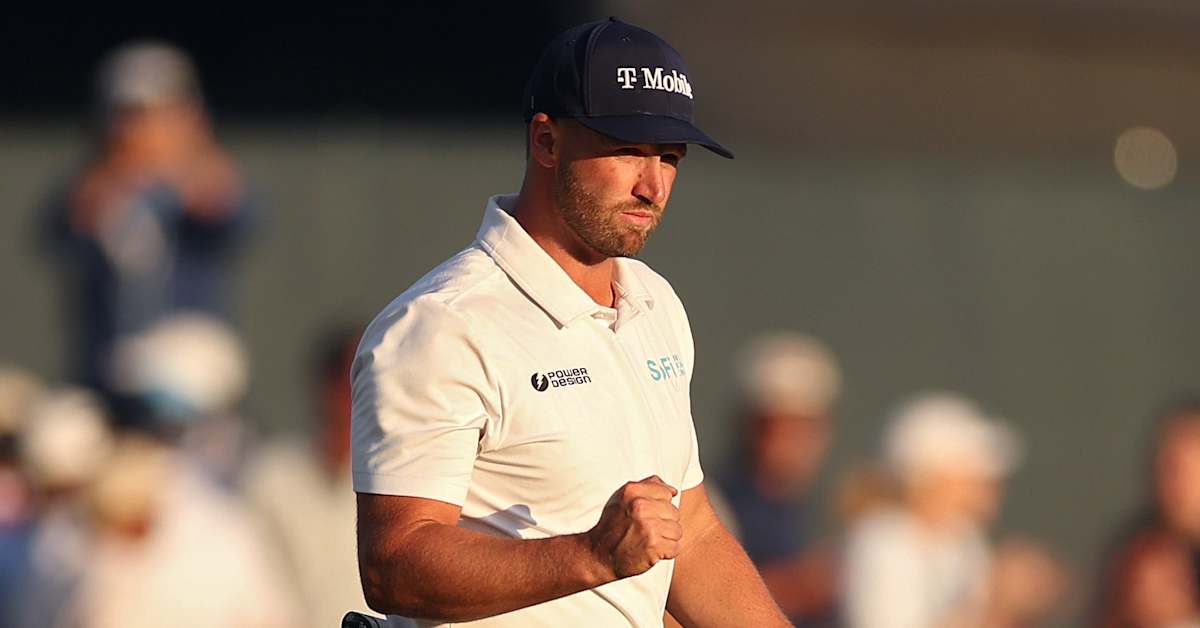
At the 2026 U.S. Open, Shinnecock Hills has functioned as an equalizer, punishing aggressive play and rewarding operational discipline. Wyndham Clark’s six-shot lead is the byproduct of a calculated, risk-averse strategy that has successfully navigated the course’s environmental volatility. While competitors struggled against 40mph winds, Clark’s ability to maintain a consistent baseline score highlights a fundamental shift in his professional maturity since his 2023 victory.
Competitive Friction and Tactical Variance
The third round exposed a clear divergence in game management. With the field forced into a defensive posture by high-velocity gusts and complex green complexes, the margin for error effectively vanished. Scottie Scheffler’s resilience—maintaining a one-under 69—serves as the current benchmark for performance, yet the six-stroke deficit creates a unique pressure matrix. For Clark, the path to victory involves minimizing catastrophic variance rather than pursuing aggressive birdies, a transition from the ‘underdog’ narrative to one of systemic control.
The Economics of Major Championship Resilience
Beyond the leaderboard, the 2026 U.S. Open is testing the commercial and professional endurance of the field. A second major title would elevate Clark’s status from a breakout talent to a pillar of the professional golf hierarchy. This distinction carries significant weight in sponsorship leverage and long-term career trajectory. His performance to date suggests a player who has internalized the ‘survival-first’ mandate required for major championship golf, prioritizing high-percentage outcomes over high-reward risks.
Institutional Implications of the Final Round
The closing stages of this tournament offer a rare glimpse into the psychological tax of defending a significant lead. As the primary focal point of media and broadcast narratives, Clark must now manage the transition from challenger to the definitive target. The inability of the field to mount a sustained challenge on Saturday suggests that the institutional focus has coalesced around him, placing the onus on his ability to execute his established game plan under maximum scrutiny.
Conclusion: Measuring Mental Fortitude
The 2026 U.S. Open remains an exercise in environmental adaptation. Clark’s lead is not merely a statistical anomaly but a reflection of superior temperament under duress. As the tournament concludes, the focus shifts to whether his methodical approach can withstand the unique, final-day pressure of closing a major. The result will serve as a bellwether for the evolving competitive landscape of professional golf, where resilience often supersedes raw offensive talent.