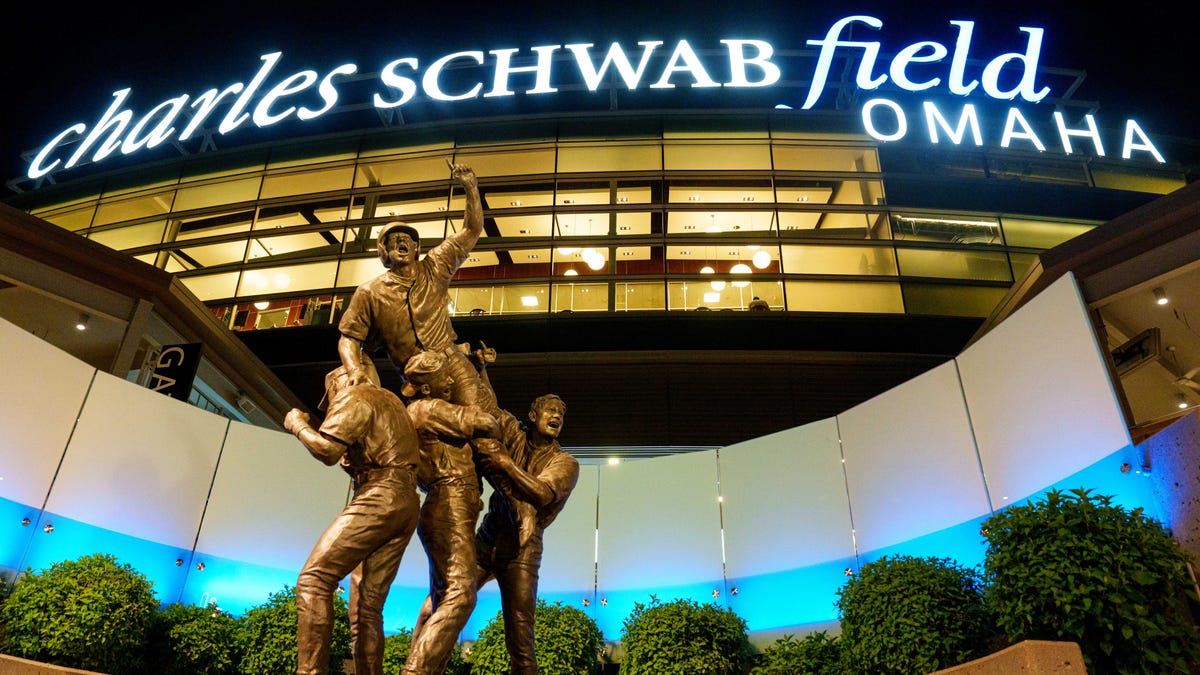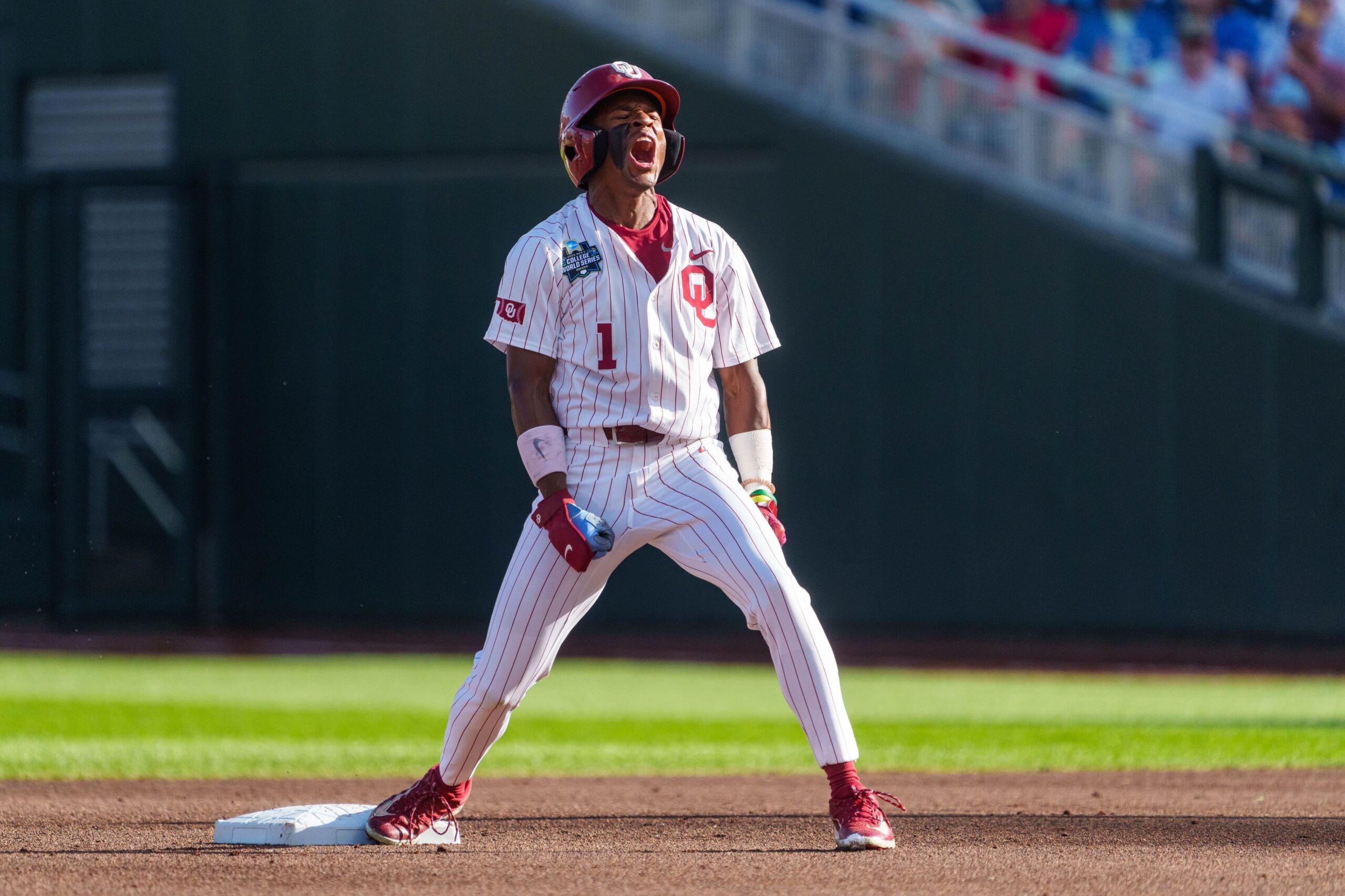
The 2026 Men’s College World Series (MCWS) Finals at Charles Schwab Field represents the pinnacle of collegiate baseball, featuring a high-stakes confrontation between the Oklahoma Sooners and the North Carolina Tar Heels. This matchup transcends mere athletic competition, serving as a case study in institutional recruitment efficacy and tactical adaptation under environmental pressure. As both programs converge in Omaha, operational shifts have immediately altered the competitive landscape.
Meteorological Risk Management and Operational Agility
The NCAA’s decision to advance the Game 1 start time from 7 p.m. to 2 p.m. CT on Saturday, June 20, is a proactive exercise in meteorological risk mitigation. Anticipated inclement weather necessitated this five-hour shift to protect the integrity of the linear broadcast window and ensure athlete safety. For the participating teams, this adjustment disrupts established circadian rhythms and pre-game preparation cycles, favoring the program with the most robust internal discipline and recovery protocols.
From a physiological standpoint, the shift to a mid-afternoon start introduces heat-index variables that demand accelerated hydration strategies. Training staffs must manage the transition from morning walkthroughs to maximum competitive output within a condensed timeframe. Furthermore, the stadium’s operational footprint must adapt, requiring local law enforcement and venue hospitality teams to execute security deployments ahead of schedule to accommodate the influx of fans and institutional symbols like Oklahoma’s Boomer and Sooner and UNC’s Remington.
Pitching Rotations: The Freshman Starter Variable
Oklahoma’s tactical decision to start freshman Cord Rager in Game 1 is a high-leverage gamble aimed at optimizing bullpen depth for a best-of-three series. By entrusting a freshman with the series opener, the Sooners are testing Rager’s psychological resilience against an elite North Carolina lineup. If successful, this move preserves veteran arms for high-stress relief appearances or potential starts in Games 2 and 3, providing a significant structural advantage.
Conversely, the (5) North Carolina Tar Heels must engage in rapid diagnostic scouting to exploit Rager’s relative lack of collegiate data. The early innings will serve as a critical period of adjustment; the Tar Heels’ ability to induce mechanical or emotional volatility in a young starter could force an early bullpen tax on Oklahoma. This dynamic emphasizes the importance of the ‘diagnostic phase’ in championship-level baseball, where offensive efficiency often hinges on identifying small-sample-size tendencies.
Media Rights and Multi-Platform Distribution
The broadcast ecosystem for the 2026 Finals—spanning ESPN, ESPN+, and Fubo—reflects the modern necessity of multi-platform visibility. The shift to an afternoon slot alters the advertising inventory’s valuation, potentially trading primetime premium rates for high-volume weekend afternoon viewership. For stakeholders, ESPN’s production agility is vital; the ability to maintain narrative momentum despite schedule volatility ensures that sponsorship ROI remains protected through consistent audience engagement.
Institutional Stakes and Series Momentum
Beyond the diamond, the MCWS is a primary economic engine for Omaha and a branding vehicle for the participating universities. A championship win significantly enhances recruitment leverage and donor engagement, effectively serving as a national marketing campaign. As the series progresses toward Game 2 on Sunday (2:30 p.m. ET) and a potential Game 3 on Monday (7 p.m. ET), the cumulative physical and psychological stress will dictate the outcome. The winner of Game 1 statistically secures a dominant path to the title, placing immense pressure on the tactical decisions made in the opening innings.