Strategic Re-evaluation of USMNT Championship Viability
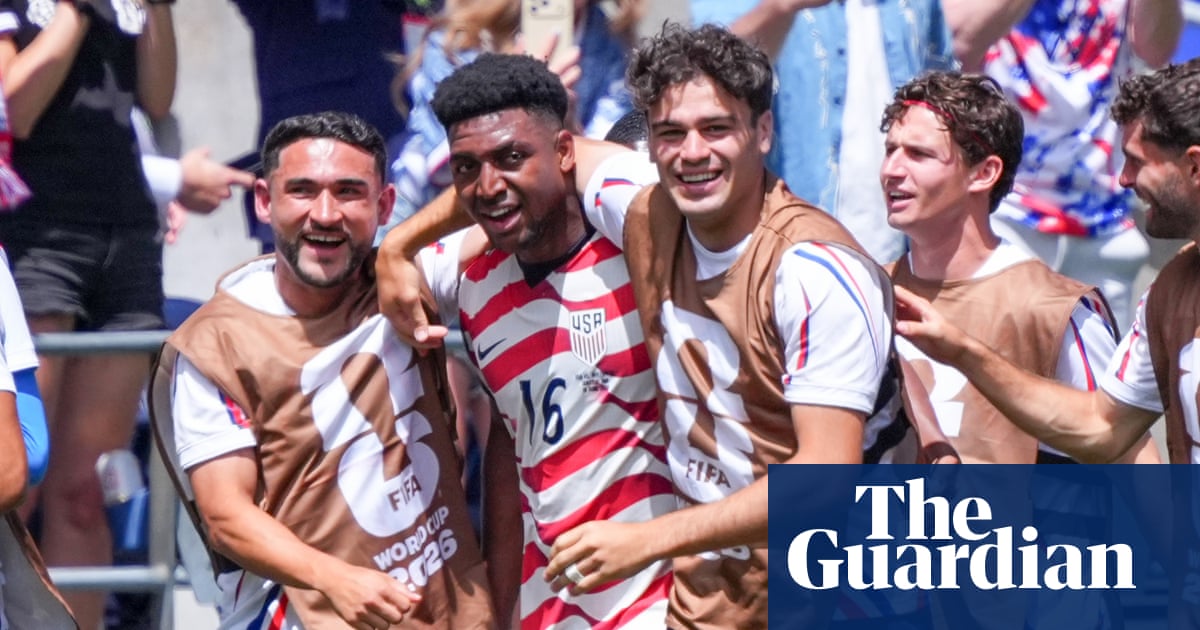
Advancing to the 2026 FIFA World Cup knockout stages via victories against Paraguay and Australia has fundamentally altered the analytical consensus regarding the USMNT. The team has transitioned from a side merely aiming to progress past the group stage to a legitimate title contender, backed by observable improvements in tactical execution and depth.
FOX Soccer analyst Zlatan Ibrahimović bolstered this narrative, citing the team’s capacity to challenge for the trophy. His endorsement carries significance, given his rigorous standards for high-level performance and competitive output.
Institutional Confidence and Player Mentality
The squad’s internal culture has pivoted toward a championship-oriented mindset. Defender Chris Richards has publicly characterized the tournament as a pursuit of the title rather than an exploratory campaign. Similarly, Auston Trusty highlighted that the team’s participation is defined by winning ambitions. This collective conviction signals a shift in the squad’s psychological maturity, essential for navigating high-stakes tournament environments.
Tactical Flexibility via Emerging Talent
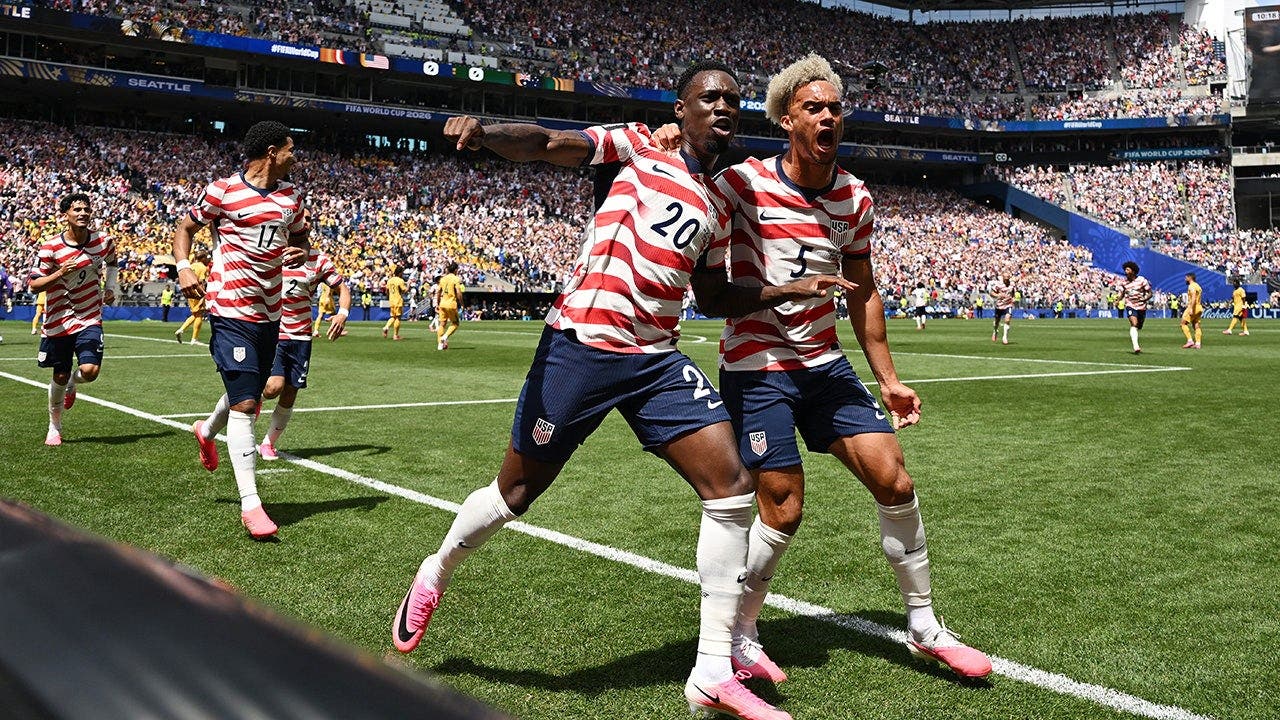
The performance surge is anchored by 21-year-old defender Alex Freeman. His transition from MLS to Villarreal has provided the USMNT with vital tactical flexibility, specifically within a three-man backline. His goal against Australia illustrates his integration into the system and provides a tangible metric for the team’s improved developmental pipeline and squad depth.
Navigating Tournament Pressure
The shift from host-nation expectations to a legitimate contender recalibrates the pressure dynamics. As the USMNT enters the knockout rounds, success will depend on managing the scrutiny while maintaining the tactical discipline that secured their progression. The ability to maintain a game-by-game focus will be the ultimate determinant of their longevity in the competition.
Structural Performance and Future Outlook
Leveraging home-field advantage effectively, the team has navigated the unique pressures of the 2026 tournament environment. The combination of tactical adaptability and psychological readiness positions the U.S. favorably for subsequent rounds. As the competition intensifies, the coaching staff’s ability to adjust to diverse tactical challenges—supported by the technical versatility of younger players like Freeman—will be the primary differentiator for a deep tournament run.