Material Integrity and the ‘American Flag Blue’ Transition
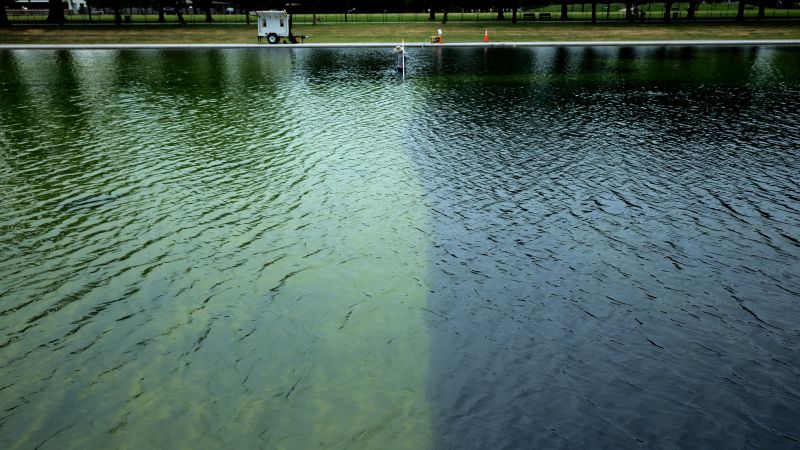
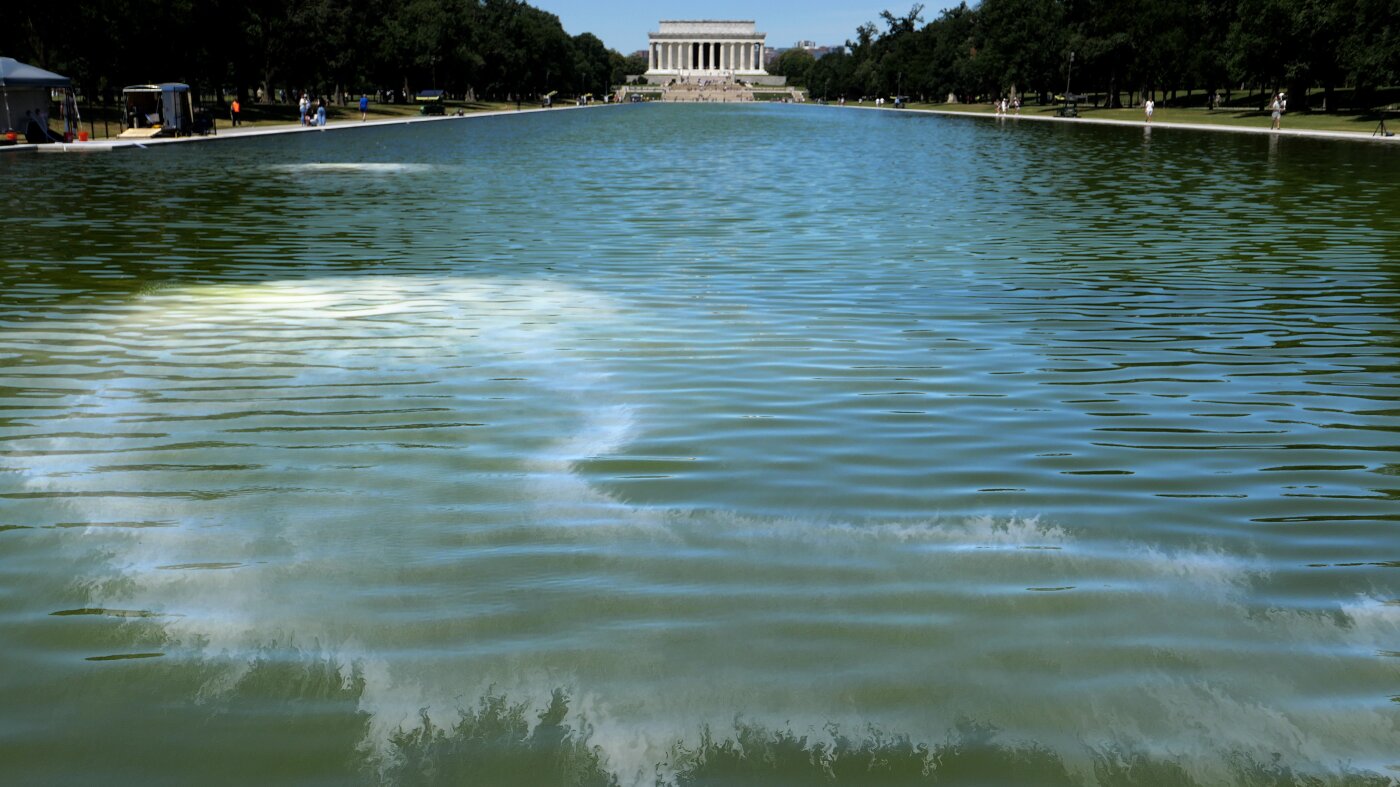
The recent $15 million overhaul of the Lincoln Memorial Reflecting Pool represents a high-stakes shift from historical preservation to modern aesthetic branding. By replacing the traditional neutral grey substrate with a vivid “American flag blue” finish, the administration has introduced a specialized coating system that is now exhibiting signs of acute adhesive failure. The delamination of the blue material—occurring mere days after the basin was refilled—suggests a breakdown in the chemical bond between the polymer coating and the underlying concrete, likely exacerbated by compressed curing schedules or substrate moisture levels.
This failure is not merely cosmetic but indicates a breach in technical specifications. In aquatic engineering, the durability of high-contrast finishes depends on precise thermal expansion coefficients. The immediate peeling suggests that the material may have been applied under conditions that bypassed essential ASTM standards for industrial coatings. As the Department of the Interior manages the fallout, the focus turns to whether the project’s accelerated timeline sacrificed structural longevity for symbolic visual impact.
Ecological Equilibrium: Managing ‘New Pond Syndrome’
Compounding the structural issues is the rapid onset of significant algae blooms, a phenomenon Canadian pool specialist Steve Goodale identifies as “New Pond Syndrome.” This ecological reaction occurs when a sterile, newly filled environment is colonized by opportunistic organisms before a stable biological equilibrium is established. The choice of a high-visibility blue bottom has inadvertently increased the visual contrast of these blooms, making even minor chlorophyll concentrations appear as significant verdant discolorations.
While the administration reports a 75% reduction in algae via chemical intervention, the recurring blooms highlight a potential mismatch between the new aesthetic profile and the site’s filtration capacity. Maintaining a hyper-clear blue appearance in a shallow, sun-exposed basin requires a more aggressive chemical regimen than the previous grey-bottom configuration, which historically masked organic sediment. This operational shift represents a long-term increase in the National Park Service’s maintenance burden.
The Vandalism Narrative and Institutional Accountability
The Department of the Interior has pivoted its narrative toward “intentional vandalism” to explain the pool’s rapid deterioration. By linking the peeling paint and other technical anomalies to the discovery of the number “8647” etched into the surrounding turf, the executive branch has reframed a potential engineering failure as a law enforcement matter. This strategic externalization of blame shifts scrutiny away from contractor oversight and material selection, placing the project’s setbacks within the context of national security and monument protection.
Secretary of the Interior Doug Burgum remains a central figure in this rollout, as the project was a high-visibility initiative of the current administration. While law enforcement investigations proceed, the lack of definitive evidence linking the chemical peeling to external sabotage leaves technical questions unanswered. The use of this narrative serves as a procedural buffer, allowing the administration time to implement a “remedy” while managing the political optics of a multi-million dollar infrastructure setback.
Fiscal Oversight and Future Monument Standards
The $15 million expenditure faces renewed scrutiny as immediate repairs become necessary so shortly after project completion. Oversight bodies must now determine if the procurement process accounted for the heightened maintenance costs associated with non-standard finishes. The discrepancy between the administration’s claims of “success” and the visible operational failures points to a disconnect in performance metrics, where aesthetic speed was prioritized over engineering sustainability.
This renovation serves as a critical case study for future National Mall projects. The transition toward high-contrast, branding-oriented finishes on historical structures creates a precedent that may conflict with long-standing conservation principles. As crews work to stabilize the pool’s surface, the project’s legacy will likely be defined by the tension between political vision and the unforgiving realities of material science and environmental biology.