Structural Impacts of Tournament Expansion
The 2026 FIFA World Cup’s transition to a 48-team format has fundamentally recalibrated international competition, placing a premium on early mathematical security and workload management. The opening fixtures suggest that while the pool has expanded, the elite tier has intensified its focus on tactical efficiency. Performance-based metrics are currently superseding historical prestige in the power rankings, as traditional giants navigate a more congested path to the final.
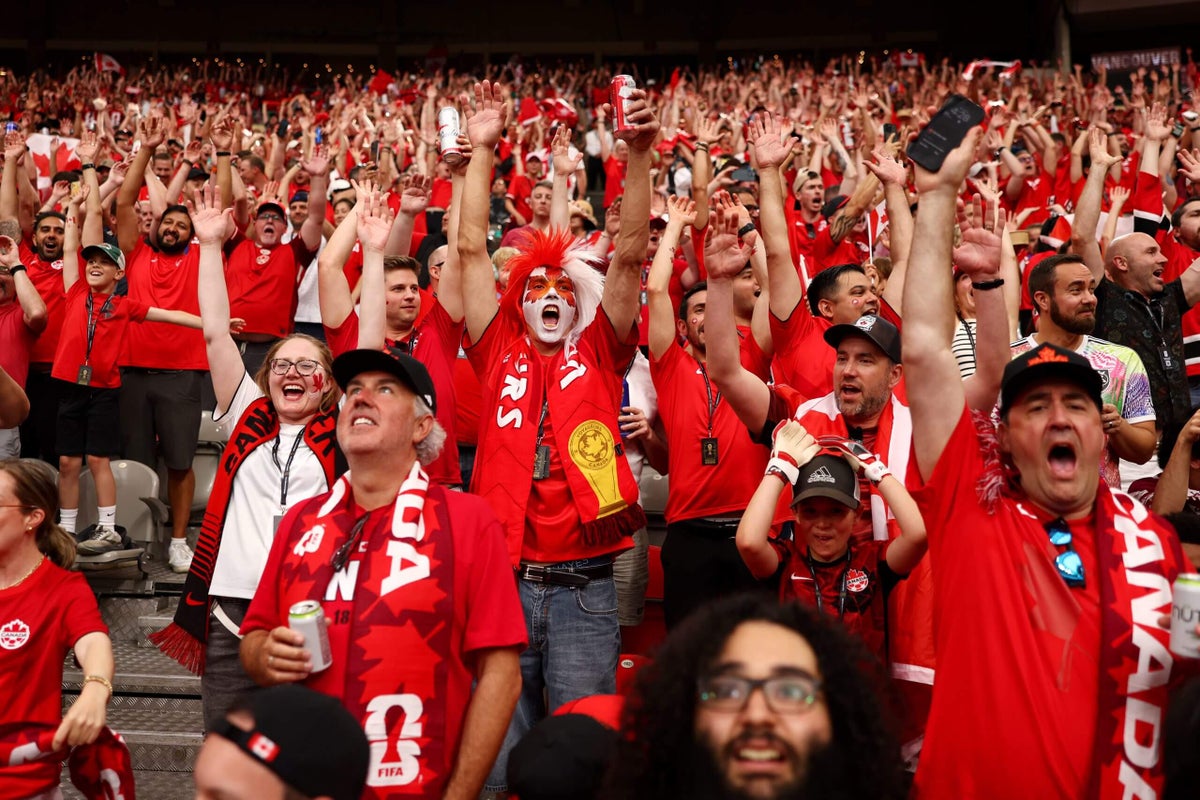
Mexico, Canada, and the United States have utilized co-hosting advantages to establish significant early leverage. Mexico’s achievement as the first nation to clinch a knockout stage berth provides a vital strategic buffer, allowing for physiological recovery and tactical rotation in their final group match. Simultaneously, Canada’s 6-0 victory established a massive goal-difference cushion, a secondary security layer that forces group opponents into higher-risk offensive strategies to remain competitive.
France: Tactical Depth and Record-Breaking Form
France’s ascent to the top ranking follows a 3-1 victory over Senegal, a match that showcased their ability to resolve mid-game tactical stagnation. The second-half adjustments against the former African champions validated France’s systemic resilience. Kylian Mbappé’s milestone as France’s all-time leading scorer serves as a psychological force multiplier, removing narrative distractions and allowing the squad to focus on collective execution.
Beyond individual brilliance, the emergence of Bradley Barcola as a high-impact substitute underscores France’s superior bench depth. In a tournament where fatigue compounds over seven or eight potential matches, the ability to introduce fresh, elite-caliber talent is a decisive edge. This depth allows ‘Les Bleus’ to maintain a high-intensity press for the full 90 minutes, a trait currently missing from the less consistent opening displays of Brazil and Spain.
Analyzing Offensive Volatility and Defensive Stability
Germany’s 7-1 demolition of Curacao stands as the opening round’s highest offensive output, though the lack of defensive resistance leaves questions about their backline under pressure. Conversely, England’s 4-2 victory over Croatia highlights a high-variance profile: a potent attack led by Harry Kane offset by vulnerabilities in defensive transition. For England, the strategic priority remains refining their defensive shape before facing clinical opponents capable of exploiting the spaces left by their aggressive offensive posture.
Argentina occupies the third position, characterized by a measured 3-0 win over Algeria. Lionel Messi’s influence continues to act as a stabilizer, elevating the surrounding cast through elite spatial awareness and playmaking. This efficiency suggests a team focused on energy conservation, a vital strategy for a squad featuring several veteran players. Meanwhile, the USMNT’s 4-1 victory over Paraguay signals an offensive maturity that has propelled them into the top five, reflecting the growing clinical nature of the CONCACAF representatives on home soil.