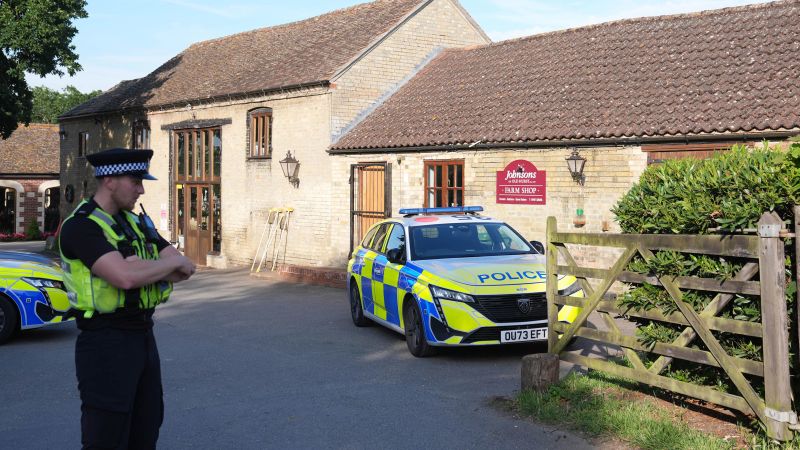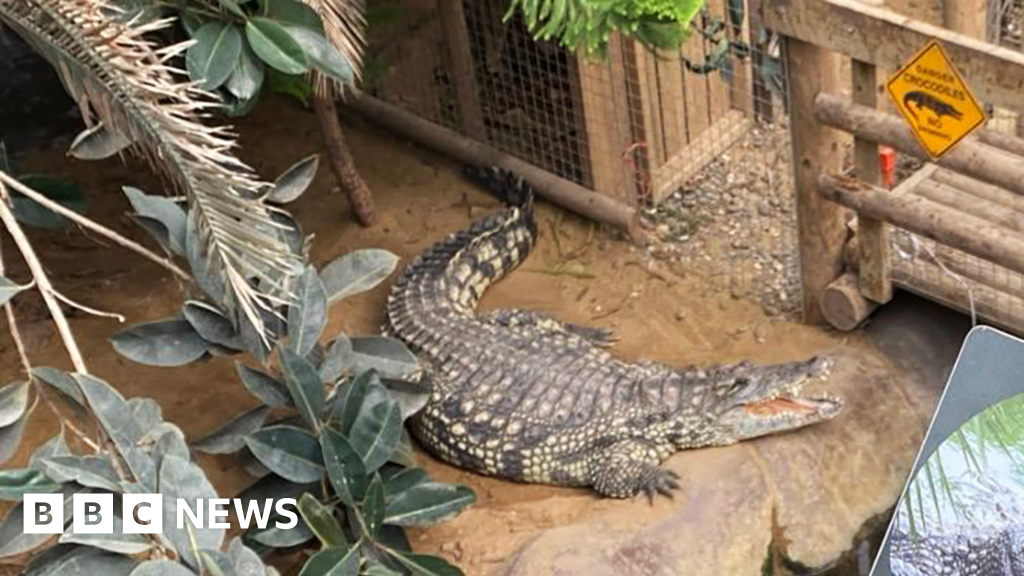
The arrest of a 30-year-old Norfolk man on suspicion of attempted murder at Johnsons of Old Hurst represents a significant shift from a standard industrial accident to a major criminal investigation. The incident, which left a three-year-old boy in critical condition within a crocodile habitat, has prompted both Cambridgeshire Police and safety regulators to scrutinize the facility’s containment protocols. By charging the suspect with attempted murder, authorities signal that evidence points toward deliberate, non-accidental harm rather than simple negligence.
Criminal Context and Investigative Focus
Cambridgeshire Police have confirmed that the suspect and the victim were previously unknown to one another, a factor that fundamentally recalibrates the investigation. This lack of prior association shifts the focus of Detective Inspector Verity McCann’s team toward evaluating potential criminal intent in a public space. Forensic investigators are currently analyzing the Tropical House for physical evidence, including biological markers and surveillance footage, to establish the precise chain of events that allowed the child to breach the animal enclosure.
Facility Security and Regulatory Oversight
The incident raises urgent questions regarding the efficacy of safety barriers at the zoo. Under the Zoo Licensing Act, facilities are mandated to ensure absolute separation between visitors and high-risk apex predators. The ease with which a young child accessed the habitat suggests a potential failure in structural design or active surveillance protocols. The site remains partially closed, serving both as an active forensic scene and a necessary measure to mitigate further risk while internal safety audits are conducted.
Institutional and Economic Implications
Johnsons of Old Hurst faces mounting pressure from the Health and Safety Executive (HSE) and its insurers. For specialized zoological facilities, insurance premiums are calculated on a near-zero failure rate for containment systems. A breach of this nature, compounded by an alleged criminal act, threatens the facility’s long-term operational viability. Legal experts anticipate a rigorous review of security standards, potentially mandating increased CCTV density and enhanced perimeter monitoring for similar attractions nationwide.
Medical Status and Public Confidence
While the victim remains in critical but stable condition at Addenbrooke’s Hospital, the psychological and physical trauma inflicted serves as a catalyst for broader industry reform. Public trust in family-oriented venues is tethered to the perceived reliability of their security infrastructures. As the legal proceedings unfold, the outcome will likely set a judicial precedent for how criminal acts occurring within regulated animal exhibits are prosecuted and how private institutions are held liable for the oversight of their visitors.