Mets-Phillies Rivalry: Analyzing Mets’ Operational Challenges and NL East Power Dynamics
The June 18, 2026, contest between the New York Mets (33-41) and the Philadelphia Phillies (40-34) transcends a typical early-season matchup; it serves as a critical barometer for both franchises within the fiercely competitive National League East. The significant performance disparity immediately highlights divergent operational efficiencies and strategic trajectories, with amplified implications for divisional standings and long-term organizational health.
Mets’ Operational Fragility: A Deep Dive into Pitching and Roster Construction
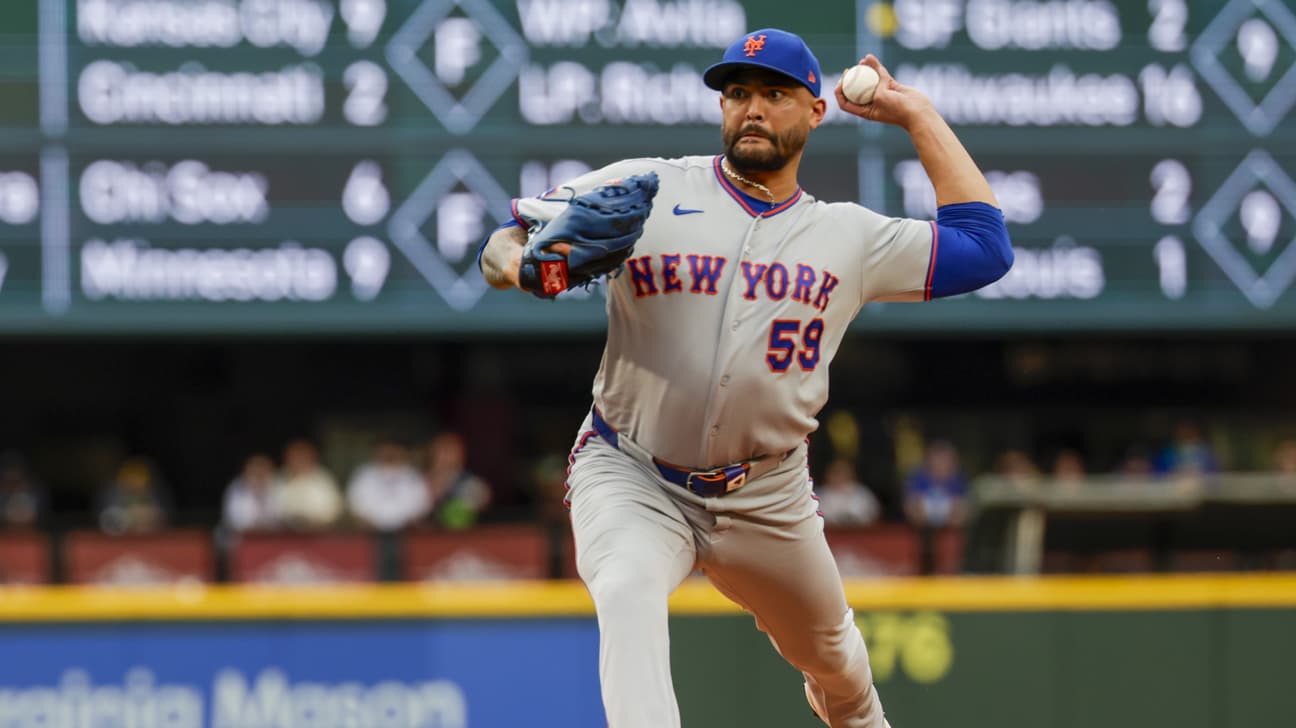
The Mets’ sub-.500 record (33-41) directly reflects systemic operational challenges, most acutely exposed within their pitching staff. The “thinness of the starting rotation” is not merely a descriptive fact but a critical vulnerability stemming from deficiencies in roster construction and depth management. Only Nolan McLean and Freddy Peralta have managed ten starts for the club, indicating an unsustainable reliance on a limited core. The absence of a key arm like Clay Holmes further exacerbates this instability, compelling the organization to deploy suboptimal options in crucial pitching slots.
This evolving narrative—from early-season batting inconsistencies to current pitching woes—illustrates a dynamic operational problem demanding adaptive strategic responses. Such fluidity impacts internal resource allocation, player development priorities, and ultimately, the club’s competitive ceiling throughout the season.
Financial Gravity: High Payroll, Underperformance, and Market Value Erosion
The Mets’ significant financial investments in high-profile talent—implicitly represented by players such as Juan Soto, Bo Bichette, and Marcus Semien—are intrinsically tied to expectations of competitive success and a quantifiable return on investment (ROI). A team underperforming with a substantial payroll amplifies scrutiny on its talent utilization strategy, triggering a cascade of negative financial consequences.
Subpar performance risks diminishing fan engagement, directly impacting ticket sales, merchandise revenue, and the overall marketability of the brand. Sustaining “relevancy,” in this context, translates to safeguarding long-term revenue streams and maintaining fan interest. Furthermore, broadcast rights, a cornerstone of modern sports economics, are directly linked to competitive value; reduced visibility for a non-contending team on platforms like SNY and Audacy can exert downward pressure on future media valuations and advertising revenue.
Strategic Inflection Point: The Quest for Competitive Legitimacy
The Mets’ precarious position—necessitating victories against their opponents to regain competitive legitimacy—signals a critical strategic inflection point for the organization. This imperative extends beyond individual game outcomes, influencing pivotal decisions regarding potential trade deadline moves, future player acquisitions, and the evaluation of the coaching staff and front office.
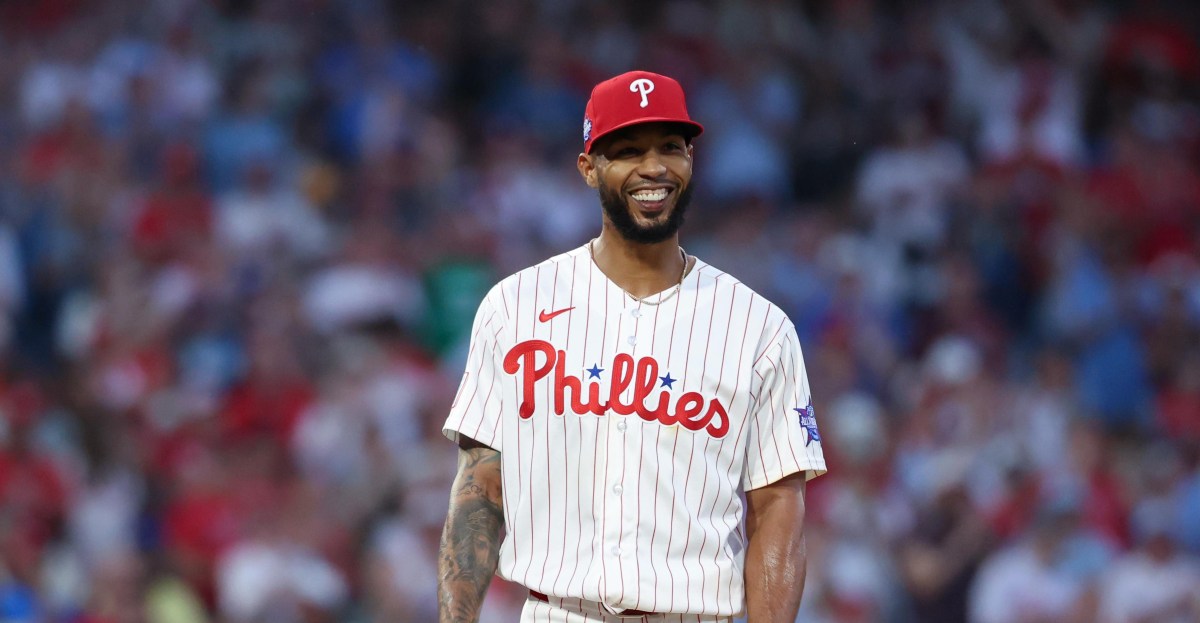
In stark contrast, the Phillies’ stronger 40-34 record suggests a more stable competitive foundation, positioning them distinctly within the divisional hierarchy. This performance disparity amplifies the strategic weight of head-to-head matchups, affecting psychological momentum and shaping the competitive narrative within the NL East. These intra-divisional rivalries are not just about standings; they define team morale and public perception of organizational strength.
Media Scrutiny and Stakeholder Accountability in a Major Market
The media’s framing of the Mets’ situation, exemplified by outlets like SNY Newsdesk, reflects the intense scrutiny and lofty expectations inherent to a major market franchise. The colloquial expression of hoping for “more than just cheesesteaks in Philly” underscores the fan and media pressure for tangible on-field results, influencing public perception and team leadership accountability.
The explicit shift in accountability—from early-season batting struggles to the current focus on starting pitcher performance—highlights the dynamic nature of blame attribution in professional sports. This fluid evaluation impacts how the front office, coaching staff, and individual players are assessed, with “relevancy” extending to the team’s standing in the sports media landscape, its ability to attract top talent, and its overall institutional prestige.
Long-Term Organizational Resilience and MLB Team Building Paradigms
The Mets’ struggles with starting pitching depth, particularly the reliance on a limited number of consistent arms, mirrors broader MLB challenges concerning pitcher health and workload management. This situation exposes potential structural weaknesses in player development and long-term talent acquisition, demanding a strategic pivot beyond short-term fixes.
Successfully integrating emerging prospects (like Carson Benge and A.J. Ewing) with established veterans while simultaneously striving for immediate competitive “relevancy” is a delicate balancing act. This series against a division rival becomes a test of the organization’s resilience, informing strategic choices on free agency, farm system investments, and ultimately, defining their competitive window for seasons to come within the demanding landscape of Major League Baseball.