Strategic Uncertainty and Open Field Characterize Shinnecock U.S. Open
The 2026 U.S. Open at Shinnecock Hills Golf Club is poised to be a championship defined by strategic uncertainty and an unusually open competitive field. The absence of clear dominant contenders, even among top-ranked golfers like Scottie Scheffler and Rory McIlroy, suggests that superior strategic decision-making and exceptional adaptability will be the deciding factors on this notoriously challenging course.
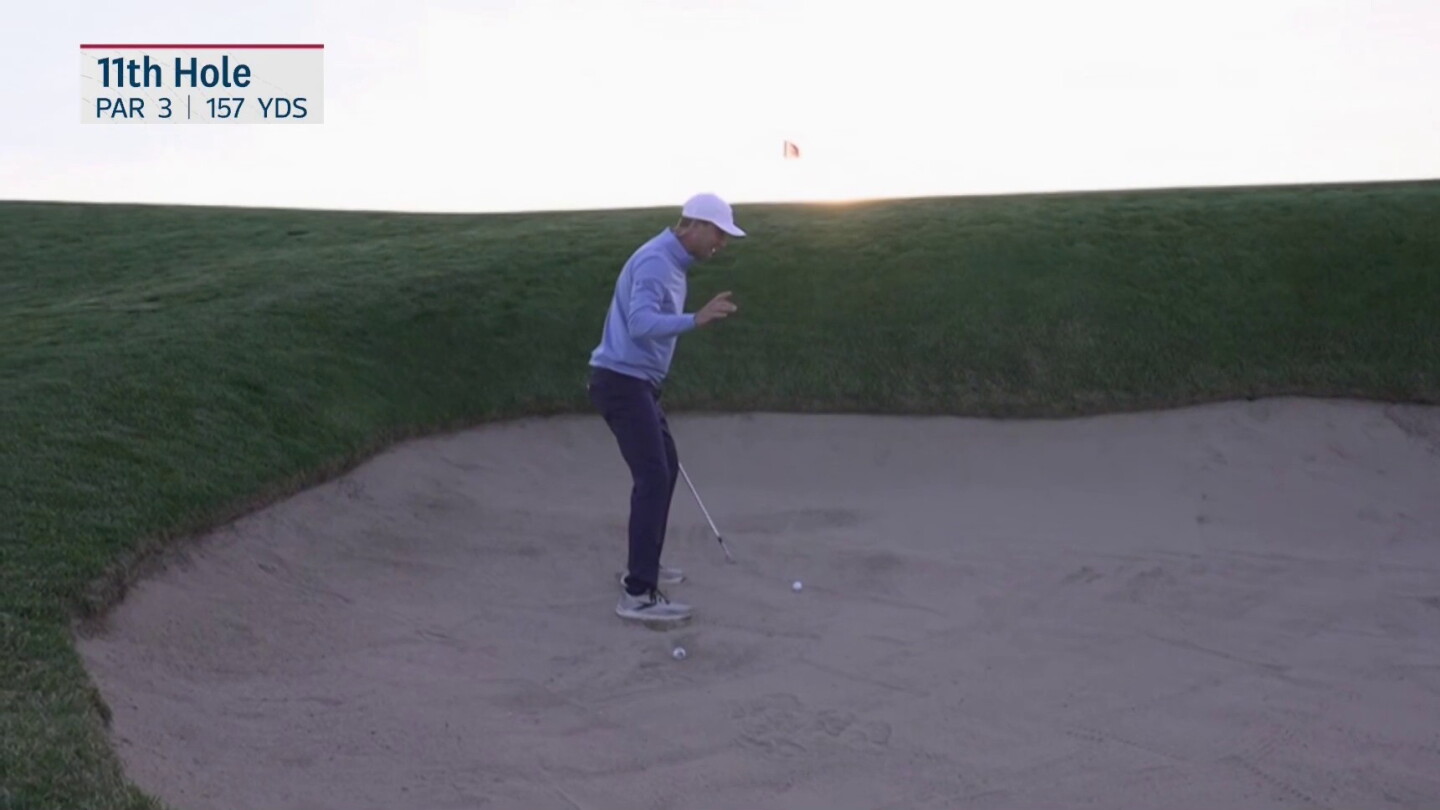
Shinnecock Hills presents formidable strategic hurdles. For instance, the infamous par-3 11th hole exemplifies the course’s design philosophy: it punishes errant shots severely while rewarding precise execution. Players must meticulously balance aggressive intentions with conservative course management to avoid costly errors.
Course Conditions and Player Adaptability
Anticipated high winds at Shinnecock Hills will significantly amplify the course’s inherent difficulty, demanding a heightened level of player preparedness and tactical acumen. The USGA’s strategic focus on weather management underscores the potential for wind to dictate shot selection, club choices, and scoring patterns throughout the championship.
The strategic implications of variable wind conditions extend to on-course management, compelling players to constantly evaluate risk versus reward. The ability to adapt to shifting breezes and maintain ball control under duress will differentiate competitors, potentially leveling the playing field and creating opportunities for less favored athletes.
Competitive Landscape and Player Dynamics
The perceived openness of the field marks a departure from recent U.S. Opens characterized by dominant performances. This lack of a singular favorite necessitates a deeper analysis of current player form, mental resilience, and their capacity to execute under the intense pressure of a major championship.
Practice rounds offer early insights into player readiness, with indications that leading contenders are actively refining specific aspects of their game. This suggests a championship where marginal gains and superior strategic execution, rather than overwhelming talent alone, could prove decisive.
Shinnecock’s Historical Context and Modern Golfing Demands
Shinnecock Hills, a venue rich in U.S. Open history, offers a unique blend of tradition and contemporary golfing challenges. Its classic design, combined with modern conditioning and the ever-present threat of environmental factors, ensures the course remains a primary adversary.
Specific hole designs, such as the strategically complex 11th, as highlighted by figures like Golf Channel’s Smylie Kaufman, embody Shinnecock’s test of a player’s complete game. These holes are engineered to challenge accuracy from tee to green and the player’s recovery skills, emphasizing the strategic depth required for success.
The Crucial Role of Data and Analytics in Strategy
In modern professional golf, data analytics are integral to player and caddie strategy. For a major championship like the U.S. Open, a data-driven approach to course analysis, wind patterns, and shot selection is paramount. Understanding historical performance metrics on specific holes and assessing course conditions are critical for optimizing game plans, mitigating risks, and exploiting scoring opportunities.
Media Narrative and Fan Engagement Dynamics
The narrative surrounding the Shinnecock U.S. Open is shaped by the competitive dynamics and the inherent drama of major championship golf. Media efforts, such as “Signature Scroll” observations, aim to provide deeper insights beyond the leaderboard, enhancing fan comprehension of the event’s complexities.
The “all-time anticipation for Shinnecock” reflects the venue’s esteemed status and its capacity to generate significant fan interest. This excitement is driven by the course’s prestige, the unpredictability of the competition, and the potential for memorable performances.
USGA’s Role in Course Management and Event Integrity
The United States Golf Association (USGA) faces the critical task of presenting Shinnecock Hills as a rigorous yet fair test for the world’s best golfers. Their responsibilities in course setup, condition management, and overall event execution are vital to the tournament’s integrity.
The USGA’s proactive stance on weather preparedness, exemplified by initiatives like the “Championship Weather Watch,” highlights their commitment to ensuring the competition is decided by player skill and strategy, rather than uncontrollable environmental factors.
Player Development and Long-Term Performance Trajectories
Performance at the 2026 U.S. Open will significantly influence player rankings, sponsorship opportunities, and future career trajectories. A strong showing at Shinnecock, particularly in a wide-open field, can substantially elevate a player’s profile and marketability.
Conversely, players who fail to adapt to the course’s demands or challenging conditions may experience setbacks. The experience gained at Shinnecock, regardless of outcome, provides invaluable lessons for future major championship preparation and strategic development.
Strategic Value of Shinnecock’s Hole Design
The detailed analysis of Shinnecock’s 11th hole illustrates the deliberate strategic design woven into the course. These holes function not merely as obstacles but as crucial narrative elements, compelling players into complex decision-making processes that define championship golf.
Understanding the specific hazards and optimal angles of approach for holes like the 11th allows players to formulate tailored strategies. This granular analysis, informed by practice rounds and expert commentary, is essential for optimizing performance and preventing costly errors that can derail a tournament bid.
Anticipation and Enhanced Fan Experience
The “all-time anticipation for Shinnecock” underscores the venue’s esteemed position in golf and its proven ability to generate substantial spectator interest. This elevated expectation is a testament to the course’s historical significance and its reputation for producing dramatic championship moments.
The provision of comprehensive fan engagement tools—from live leaderboards and ticketing information to viewing schedules and merchandise—demonstrates a holistic approach to the spectator experience, designed to deepen immersion and capitalize on the excitement of a major championship at a prestigious venue.
The Psychology of Major Championship Golf
The psychological dimension of golf, especially in major championships, is paramount. The pressure of competing at Shinnecock Hills, combined with intricate strategic demands and the potential for adverse weather, presents a significant mental challenge for every participant.
Observations of top players not appearing “incredibly sharp” during practice could reflect underlying mental preparation or strategic adjustments. Successfully navigating these psychological pressures, managing expectations, and maintaining focus under duress are as critical to determining the champion as technical skill.
Future Implications for Course Design and Championship Strategy
Lessons learned from the 2026 U.S. Open at Shinnecock Hills may inform future course setups and championship strategies adopted by the USGA and other governing bodies. The emphasis on challenging hole designs and the impact of environmental factors provide valuable data for course architects and tournament directors alike.
The success of strategies that leverage course difficulty and player adaptability could influence the design and presentation of future major championships, contributing to the continuous evolution of professional golf’s narrative.