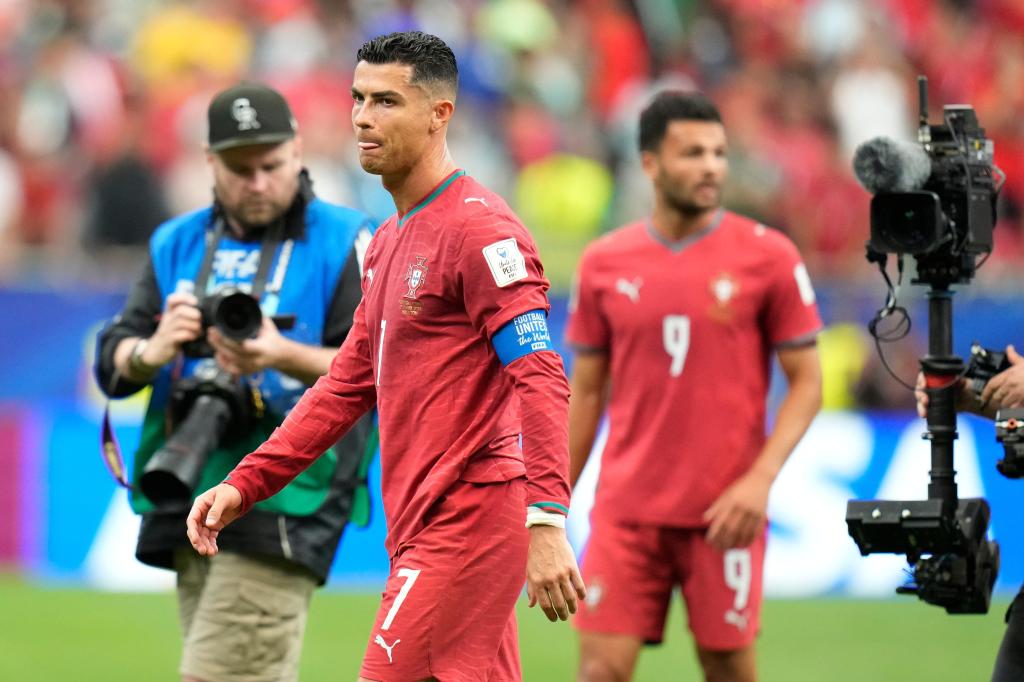
The 2026 World Cup opening fixtures have underscored a widening rift between established footballing hierarchies and the emerging technical proficiency of underdog nations. Portugal’s 1-1 draw against the Democratic Republic of the Congo serves as a salient case study in the diminishing marginal utility of legacy-based structures. While the match secured a historic sixth tournament appearance for Cristiano Ronaldo, it simultaneously exposed a systemic bottleneck where Portugal’s offensive fluidity was sacrificed for positional stasis.
Offensive Bottlenecks and Physical Recalibration
Portugal’s inability to dismantle a disciplined Congolese low-block highlighted a critical lack of verticality. The focus remains on Ronaldo, whose missed opportunities in the 68th and 73rd minutes suggest a decline in the explosive separation required to convert high-leverage chances. Unlike contemporary peers like Mbappé or Haaland, who utilized their opening matches to assert physical dominance, Ronaldo’s current profile forces Portugal into a predictable, cross-heavy approach that lacks the predatory precision of previous cycles.
This performance gap is exacerbated by the success of other elite forwards like Vinícius Júnior and Harry Kane, who have effectively integrated their individual brilliance into high-intensity collective presses. For Portugal, the strategic dilemma is now whether to prioritize the psychological and commercial gravitas of their captain or to pivot toward a more dynamic, multi-faceted attacking rotation that leverages younger, more mobile assets.
Defensive Fragility and the Wissa Equalizer
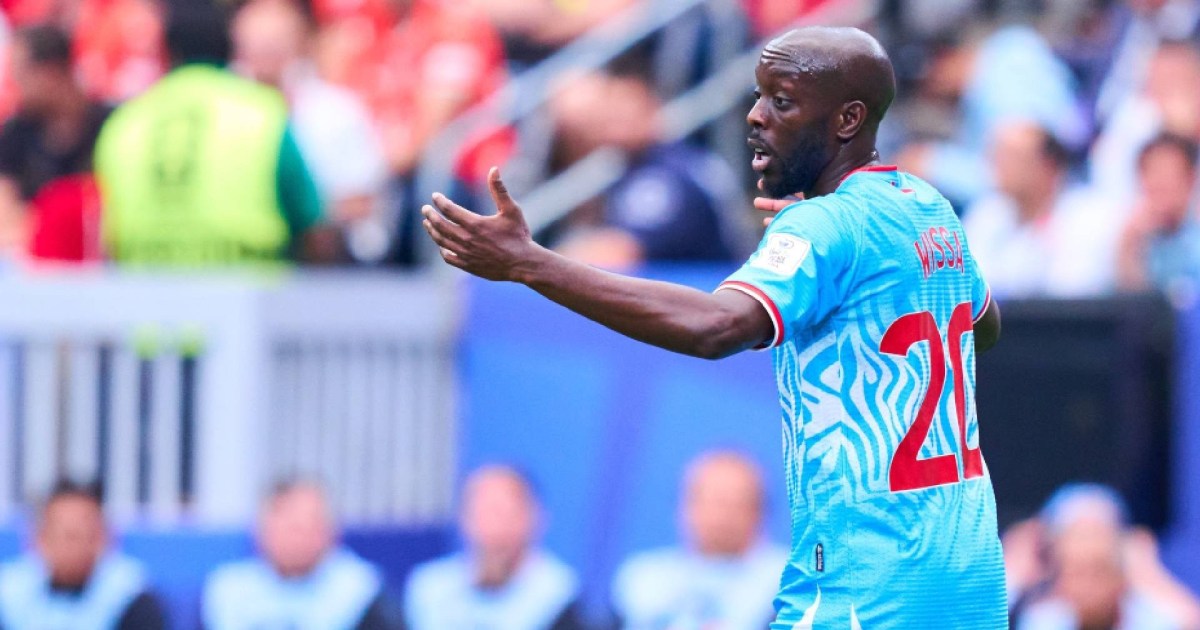
The Democratic Republic of the Congo’s equalizer, delivered by Yoane Wissa, exposed structural flaws in Portugal’s set-piece transition. The goal, originating from a corner and executed by the Newcastle-based forward, was not an anomaly but a targeted exploitation of Portugal’s aerial vulnerability. DR Congo’s ability to maintain tactical discipline under pressure validates their growth into a resilient competitive entity, capable of disrupting the expected points distribution within the group stage.
For DR Congo, this result provides an institutional blueprint for parity. By securing a point against a seeded European power, they have shifted the psychological momentum of the group, placing immense pressure on Portugal to secure results in subsequent high-stakes fixtures. The result serves as a warning that in the expanded 48-team format, technical organization often outweighs individual market value.
Psychological Management and Global Volatility
Ronaldo’s post-match engagement reflects a shift toward direct-to-consumer reputation management. By bypassing traditional media in favor of a controlled social media statement on X, he attempted to mitigate the narrative of competitive decline. However, the internal squad dynamics may face scrutiny if individual milestones continue to be prioritized over tactical optimization. The coaching staff must now manage the friction between the captain’s unprecedented longevity and the immediate need for on-field efficiency.
Regional Context: Panama’s Late-Game Attrition
The tournament’s inherent volatility was further demonstrated in the Ghana-Panama fixture, where Caleb Yirenkyi’s 95th-minute winner delivered a 1-0 defeat to the Central American side. The emotional toll of such a loss, as echoed by Yoel Bárcenas and José Luis Rodríguez, represents a significant hurdle for manager Thomas Christiansen. Ghana’s ability to maintain physical intensity into stoppage time suggests they are better prepared for the rigorous demands of the 2026 expansion than their regional rivals.
Logistical Adaptation in Mexico City
As Colombia prepares for its encounter with Uzbekistan in Mexico City, the focus shifts to environmental adaptation. Luis Díaz and Daniel Muñoz have emphasized the physical demands of playing at altitude, with Néstor Lorenzo demanding a “die for the shirt” mentality. This traditional motivational framework is essential for a Colombian side that relies on high-energy pressing. Their success will likely depend on their ability to manage the logistical complexities of the host city while maintaining tactical coherence against an unconventional Asian opponent.
Commercial and Strategic Implications
From a commercial perspective, a struggling Portugal diminishes the visibility of a primary tournament asset. Conversely, the rise of DR Congo provides FIFA with a compelling narrative of global growth. For Portugal, the margin for error has evaporated. Their next match will be a defining moment for Roberto Martínez’s tenure, as he must decide if the cost of maintaining a veteran-centric lineup is too high in a tournament increasingly defined by physical endurance and rapid transitions.
Conclusion
The 1-1 draw between Portugal and DR Congo signals the end of an era where reputation alone ensured victory. As the 2026 World Cup progresses, the ability of elite teams to modernize their tactical approach in real-time will determine their longevity. For Portugal and Ronaldo, the window to align legacy with performance is narrowing, turning their next appearance into a high-stakes referendum on the future of the national team.