A Generational Triumph: New York City Prepares for Historic Knicks 2026 NBA Championship Parade
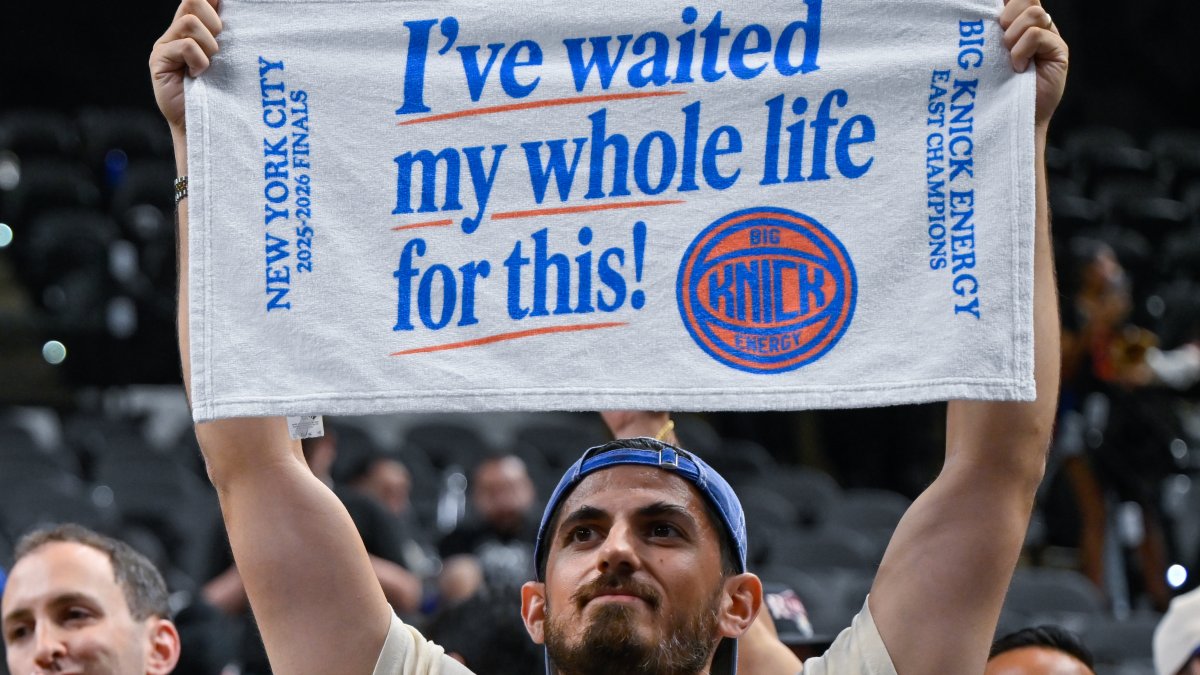
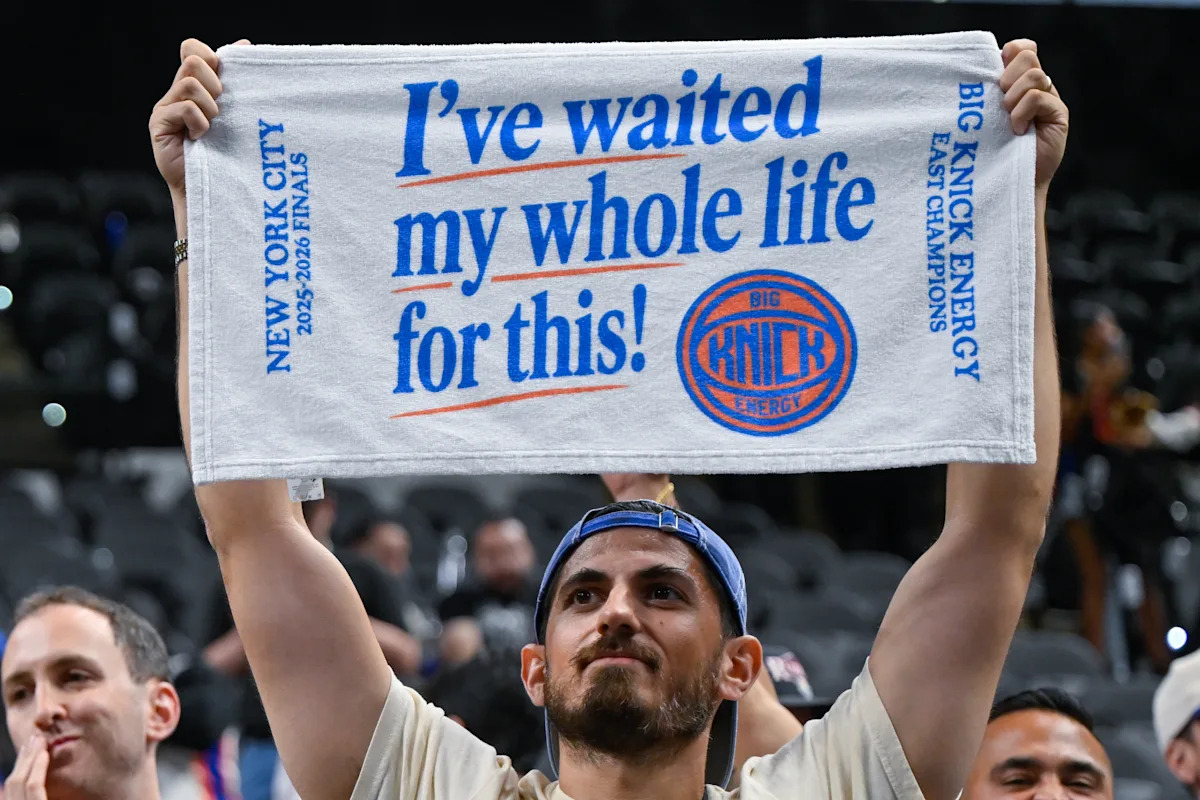
The New York Knicks’ 2026 NBA Championship victory, their first title since 1973, culminates a generational drought and triggers an unprecedented civic mobilization. New York City is poised to host the franchise’s first-ever official ticker-tape parade, an event expected to redefine historical benchmarks for public gatherings. Mayor Zohran Mamdani’s immediate announcement and articulation of the win’s profound emotional resonance underscore the deep cultural impact and the city’s commitment to commemorating this generational triumph.
Unprecedented Logistics: Safeguarding NYC’s Largest Public Celebration
Organizing the 2026 Knicks parade represents a monumental logistical undertaking, demanding the strategic deployment of 10,000 New York Police Department (NYPD) officers. This extensive security presence reflects the city’s proactive approach to managing major urban events, prioritizing public safety amidst anticipated record crowds. Securing a multi-mile urban procession requires intricate planning for crowd control, emergency response, and maintaining general public order across densely populated areas. This multi-agency coordination extends beyond law enforcement to sanitation, transportation, and emergency medical services, all working synergistically to ensure a safe environment.
To manage the immense anticipated attendance, early access points, designated “Sports Pens,” will open at 6 a.m., four hours before the parade’s 10 a.m. kickoff. This staggered entry system is a critical crowd management tactic, designed to distribute arrivals, prevent bottlenecks, and enhance both public safety and the spectator experience. Such early access also reflects an institutional understanding of fan enthusiasm, facilitating the orderly accumulation of spectators and establishing perimeter control well in advance.
Tracing Tradition: The Canyon of Heroes and Knicks’ New Legacy
This 2026 celebration holds unique historical significance: it marks the first time the New York Knicks franchise will be honored with an official championship parade, a distinction their 1970s titles did not receive. The parade route itself, commencing at Bowling Green and proceeding up Broadway through the iconic Canyon of Heroes to City Hall, is steeped in civic tradition. The Canyon, a symbolic stage for national achievements, deliberately connects the Knicks’ contemporary success to a lineage of celebrated figures and events, reinforcing the city’s role in monumental public recognition.
New York City’s most recent ticker-tape parade in 2024, honoring the New York Liberty’s first WNBA championship, provides a contemporary operational blueprint and institutional memory. This precedent informs the meticulous planning for the Knicks’ event, demonstrating the city’s recurring capacity to organize and execute large-scale civic celebrations. The continuity of these parades highlights New York City’s enduring commitment to public celebration as a mechanism for civic cohesion and collective identity.
Economic Stimulus and Cultural Amplification
The term “ticker-tape parade” itself evokes a historical economic connection, originating from Wall Street workers throwing stock market paper strips during 19th-century celebrations. While modern events use confetti, this historical association underscores the parade’s implicit economic impact. The anticipated record crowds converging on lower Manhattan will generate significant, albeit temporary, economic activity for local businesses across hospitality, retail, and transportation sectors. This substantial, short-term economic multiplier effect provides a measurable boost to the urban economy.
Beyond direct consumer spending, the parade functions as a powerful global marketing tool for New York City, enhancing its image as a vibrant cultural and sporting hub. Extensive media coverage and public attention generated by such an event contribute significantly to the city’s brand equity, potentially influencing future tourism and investment. The inclusion of Grammy-winning artist Alicia Keys performing at the City Hall Plaza ceremony further elevates the event’s cultural profile, transforming it into a broader entertainment spectacle designed to maximize public engagement and media reach. This strategic integration of celebrity talent reflects a modern approach, blending traditional civic celebration with contemporary entertainment.
Strategic Decisions and Multifaceted Stakeholder Implications
Mayor Mamdani’s prompt announcement of a “proper ticker-tape parade” immediately following the Knicks’ 94-90 Game 5 victory over the San Antonio Spurs strategically capitalizes on the team’s success, reinforcing civic pride and offering a tangible reward for decades of fan loyalty.
Hosting an event of this magnitude carries multifaceted implications for various stakeholders:
- City Administration: Manages substantial resource allocation and coordination while gaining benefits in public morale, international visibility, and demonstrating effective governance.
- Local Businesses: Experience increased foot traffic and consumer spending, though they must also navigate operational adjustments due to street closures and crowd control measures.
- Residents and Commuters: Face temporary disruptions to transportation and daily routines, necessitating clear public advisories.
- Knicks Organization: Solidifies its place in the city’s sporting pantheon, reinforcing brand loyalty and deepening the connection between the team and its supporters through a shared public experience.
- Media Outlets (e.g., NBC 4): Play a crucial role in amplifying the event’s reach, broadcasting festivities to a wider audience, ensuring broad public access, and enhancing the collective experience beyond physical presence.
The City Hall Plaza ceremony, scheduled for 12 p.m., serves as the formal culmination, providing a structured platform for official remarks and performances. This comprehensive planning, from early morning crowd management to the afternoon ceremony, reflects an institutional commitment to executing a flawless event that is both a celebration and a complex logistical operation impacting millions.
Ultimately, the 2026 Knicks championship parade transcends a mere sporting celebration. It is a deeply woven tapestry of historical tradition, operational complexity, economic stimulus, and cultural spectacle, showcasing New York City’s unique capacity for grand public events and its enduring connection to its sports franchises.