The Strategic Landscape of the 2026 World Cup
The 2026 FIFA World Cup’s inaugural week has concluded, signaling a crucial pivot from initial logistical integration to rigorous tactical evaluation. With all 48 nations now actively engaged, the expanded format’s inherent structural complexity is visibly shaping team management, player conditioning strategies, and long-term tactical blueprints.
The multi-national hosting across the United States, Canada, and Mexico introduces unprecedented logistical challenges, fundamentally reshaping team acclimatization and travel protocols. This operational reality, amplified by the high-stakes group stages, compels coaching staffs to adopt nuanced squad rotation policies, balancing immediate competitive imperatives with the critical physical preservation of their players for the arduous knockout phases.
England’s Tuchel-Led Tactical Revolution
England’s inaugural World Cup fixture against Croatia functions as a pivotal diagnostic for Thomas Tuchel’s strategic framework. The inclusion of personnel like Noni Madueke signifies a deliberate pivot towards dynamic tactical versatility, diverging from conventional hierarchical selections and challenging established institutional methodologies.
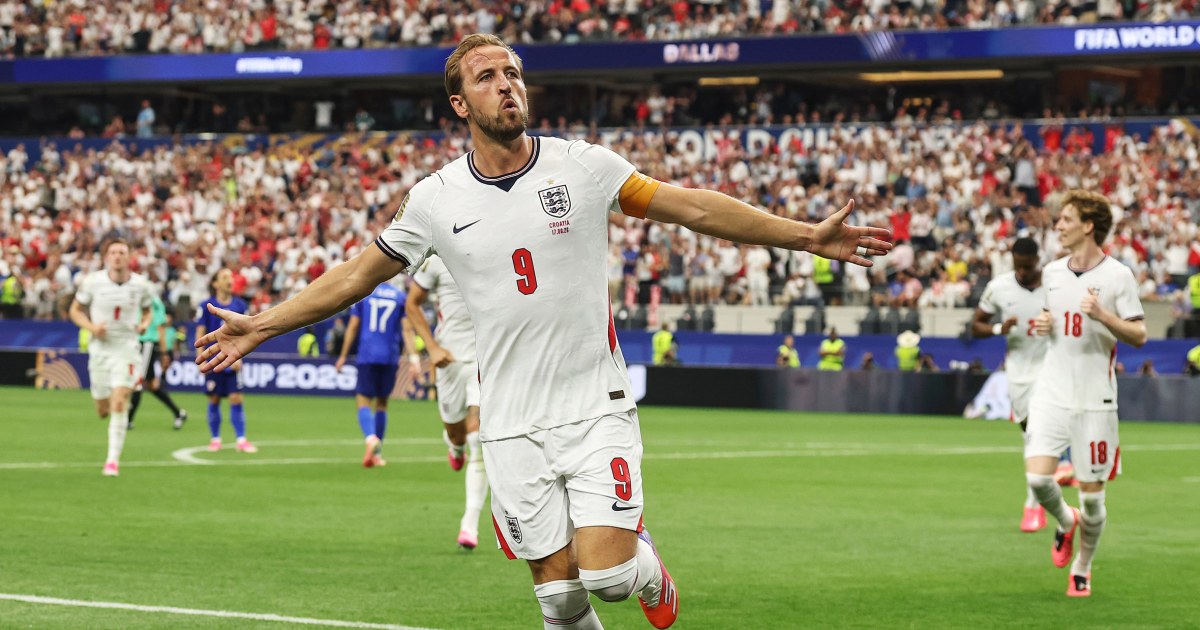
Harry Kane’s landmark 10th World Cup goal not only reaffirms the critical value of clinical finishing but also validates Tuchel’s offensive architecture, which is designed to optimize such moments. Simultaneously, the sophisticated interplay between Declan Rice’s midfield orchestration and the fluid attacking line illustrates a refined tactical construct engineered to penetrate and exploit defensive vulnerabilities inherent in high-intensity tournament scenarios.
The Veteran Paradigm: Ronaldo’s Strategic Role
Cristiano Ronaldo’s sustained presence in the 2026 tournament, notably against the Democratic Republic of Congo, offers a compelling case study in prolonged elite athletic efficacy. At 41, his contribution within Roberto Martinez’s Portuguese tactical system, refined since 2023, transcends symbolic value, representing an integrated strategic asset deployed for specific impact moments.
The unanticipated draw against DR Congo starkly underscores the heightened competitive parity endemic to the expanded 48-team format. This outcome challenges established footballing nations, forcing them to confront the imperative of maintaining structural and psychological integrity against emerging opponents adept at executing disciplined defensive strategies designed to negate traditional offensive asymmetries.
Operational and Commercial Dynamics
The extensive multi-platform distribution across networks like FOX, FS1, and Telemundo, alongside the robust integration of streaming services such as Peacock and FOX One, signifies a strategic adaptation to the fragmented modern media landscape. This digital-first approach maximizes audience engagement and commercial reach, crucial for leveraging the tournament’s expansive global appeal across diverse demographic cohorts.
The intricate logistical coordination demanded by hosting matches across vast geographical expanses – from Houston to Dallas, and Mexico City – imposes formidable operational burdens on both host infrastructure and participating federations. These pressures are not ancillary; they directly influence team preparation, dictating match rhythm, player recovery protocols, and ultimately, squad fitness longevity across varied climatic and environmental conditions.
Market and Institutional Implications
Beyond sporting spectacle, the 2026 World Cup represents a colossal capital deployment and revenue generation event for FIFA and its commercial ecosystem. Tournament success is fundamentally assessed by a dual metric: on-field competitive outcomes alongside the sustained engagement of a vast global audience and the demonstrably effective utilization of host nation infrastructure investments.
The compelling narratives woven by the performances of marquee players—such as Lionel Messi, Kylian Mbappé, and Erling Haaland—are indispensable for sustaining global media interest and driving commercial valuation. Their individual brilliance serves as a primary accelerator of market value, directly impacting broadcast rights, sponsorship deals, and the strategic long-term growth of football within North American territories.
Evolving Competitive Parity and Future Trajectories
The opening week’s outcomes, notably Portugal’s draw against DR Congo, emphatically validate the expanded World Cup’s objective of fostering heightened competitive unpredictability. This fundamental shift directly challenges the historical hegemony of traditionally dominant federations, necessitating a strategic recalibration of scouting, analytical, and preparation methodologies across the board.
As the tournament progresses into its subsequent phases, the paramount tactical concern will pivot towards squad endurance and depth. The efficacy of coaching staffs in implementing optimal rotation strategies, precisely balancing player workload with sustained tactical coherence, will likely emerge as the singular determinant for progression into the advanced knockout rounds.
Institutional Continuity and Legacy
The persistent presence of seasoned players like Jordan Pickford, emblematic of established domestic club lineages such as Everton, intrinsically links club-level institutional history with national team performance. These deep-rooted individual trajectories provide crucial cultural context, transforming the tournament from a mere sequence of matches into a potent historical and sporting narrative.
In culmination, the 2026 World Cup is fundamentally defined by the dynamic tension between football’s established global hierarchy and the emergent competitive realities fostered by an expanded, more diverse participant pool. The strategic decisions, tactical adaptations, and unforeseen outcomes witnessed in these formative matches will resonate throughout the competition, offering a definitive, real-time appraisal of the contemporary global game’s evolving equilibrium.