
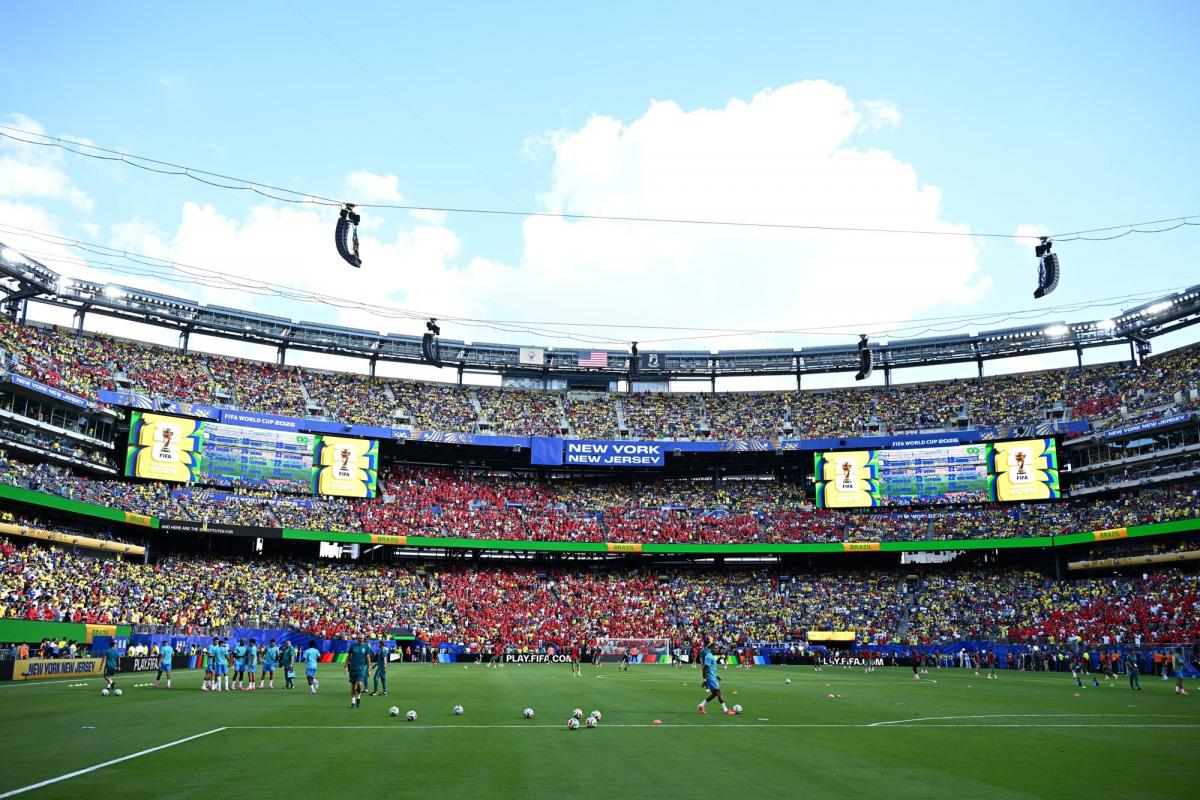
The 2026 World Cup opening fixture between France and Senegal at MetLife Stadium serves as a high-stakes case study in physiological adaptation and logistical efficiency. Having conducted a preliminary training phase in extreme heat—ranging from 28°C to 34°C—the French squad faces a projected match-day environment of 21°C to 26°C. This 13-degree thermal delta functions as a performance catalyst, effectively raising the physiological ceiling for sustained high-intensity pressing and reducing the metabolic cost of recovery between anaerobic bursts.
The 15:00 local kickoff represents a calculated compromise between global commercial interests and athlete welfare. While the 21:00 broadcast window in France optimizes viewership, it forces the squads into the peak solar radiation window. However, the downward revision of the East Rutherford forecast provides a critical reprieve for a French roster identified by analysts as susceptible to thermal exhaustion. This temperate shift allows the technical staff to prioritize aggressive verticality over the conservative, energy-conserving rotations necessitated by the earlier 34°C baseline.
The I-95 Logistical Cluster and Recovery Cycles
France’s group stage trajectory is defined by its placement in the Northeast corridor, rotating through MetLife Stadium, Lincoln Financial Field (Philadelphia), and Gillette Stadium (Foxborough). This geographical concentration minimizes travel-induced circadian disruption and allows for a centralized recovery biosphere. By maintaining a stable operational footprint within the I-95 cluster, the French federation leverages localized climate consistency to manage the cumulative physical toll of the tournament.
The transition from the temperate conditions of East Rutherford to the potentially more humid environment of Foxborough for the fixture against Norway remains a primary concern. The Senegal opener is thus more than a competitive debut; it is a calibrative baseline for the squad’s medical department. Strategic hydration and cooling protocols established during the 34°C training sessions will be refined in real-time, ensuring that technical superiority is not compromised by the latent effects of previous heat stress.
Tactical Implications and Competitive Intelligence
Senegal’s tactical setup must account for a French side that may exhibit higher-than-expected work rates due to the cooling forecast. Competitive intelligence, provided by figures such as Costinha, suggests that France’s previous struggles with American heat were a byproduct of high-volume acclimatization drills. If the recovery phase between training and the 15:00 kickoff is managed with precision, France will likely utilize their technical depth to exploit transition phases where Senegal’s defensive structure may fatigue under direct solar exposure.
Ultimately, the success of the French campaign hinges on balancing squad rotation with the demands of a high-visibility opener. The strategic use of substitutions will be paramount, as the technical staff seeks to maintain tactical momentum without depleting the physical reserves required for the Philadelphia and Foxborough fixtures. In this environment, the intersection of meteorological data and sports science is as decisive as individual talent on the pitch.
Photo by Adrien_Stachowiak on Pixabay.