Multilateralism Under Strain: The Évian-les-Bains Context
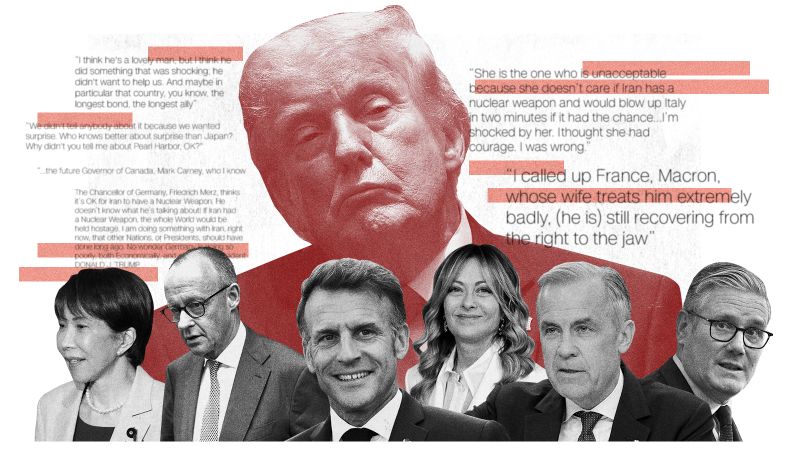
The arrival of President Donald Trump at the French resort of Évian-les-Bains marks a critical juncture for the Group of Seven (G7). Historically built on consensus-based economic and security cooperation, the institution now faces acute diplomatic friction. This summit serves as a focal point for a broader structural realignment of Western alliances, as member states increasingly grapple with a U.S. foreign policy that diverges from collective security frameworks. The stark contrast between the collaborative venue and the fractured diplomatic reality highlights a systemic departure from traditional post-war multilateralism.
The Iran Policy Schism: Bilateralism vs. Collective Security
Central to the current instability is the unilateral announcement of a new agreement between the United States and Tehran, which has met with strong resistance from other G7 members. By pursuing a bilateral resolution to a security issue previously managed through collective multilateral frameworks, the U.S. has introduced a strategic variable that undermines the group’s cohesive front. This refusal to align with the joint U.S.-Israeli position reflects a fundamental divergence in how European allies and Japan prioritize their own regional stability, trade routes, and energy security interests over Washington’s transactional diplomacy.
Institutional Erosion and the Macron-Trump Friction
The current tensions represent a systemic degradation of the personal and diplomatic relationships that historically facilitated high-level multilateral negotiations. This erosion of diplomatic capital is highly visible in the volatile dynamic between President Trump and French President Emmanuel Macron. As the summit host, Macron is tasked with navigating an institutional forum strained by the very personal antagonism and public disputes that characterize his interactions with the U.S. administration. This shift from mutual respect to open political friction has trickled down to public and media perceptions, reinforcing a narrative of a declining Western consensus.
Strategic Autonomy and the Future of the G7 Coalition
The collective pushback from G7 leaders suggests a growing trend toward strategic autonomy. As traditional allies reassess their reliance on American leadership, they are increasingly pursuing independent policy trajectories. This shift has profound implications for global governance: if the G7 can no longer rely on a shared strategic vision, its capacity to influence global economic and security outcomes will be permanently diminished. The outcome of the Évian-les-Bains discussions will likely dictate whether these geopolitical rifts represent a temporary impasse or a permanent realignment of the international order.