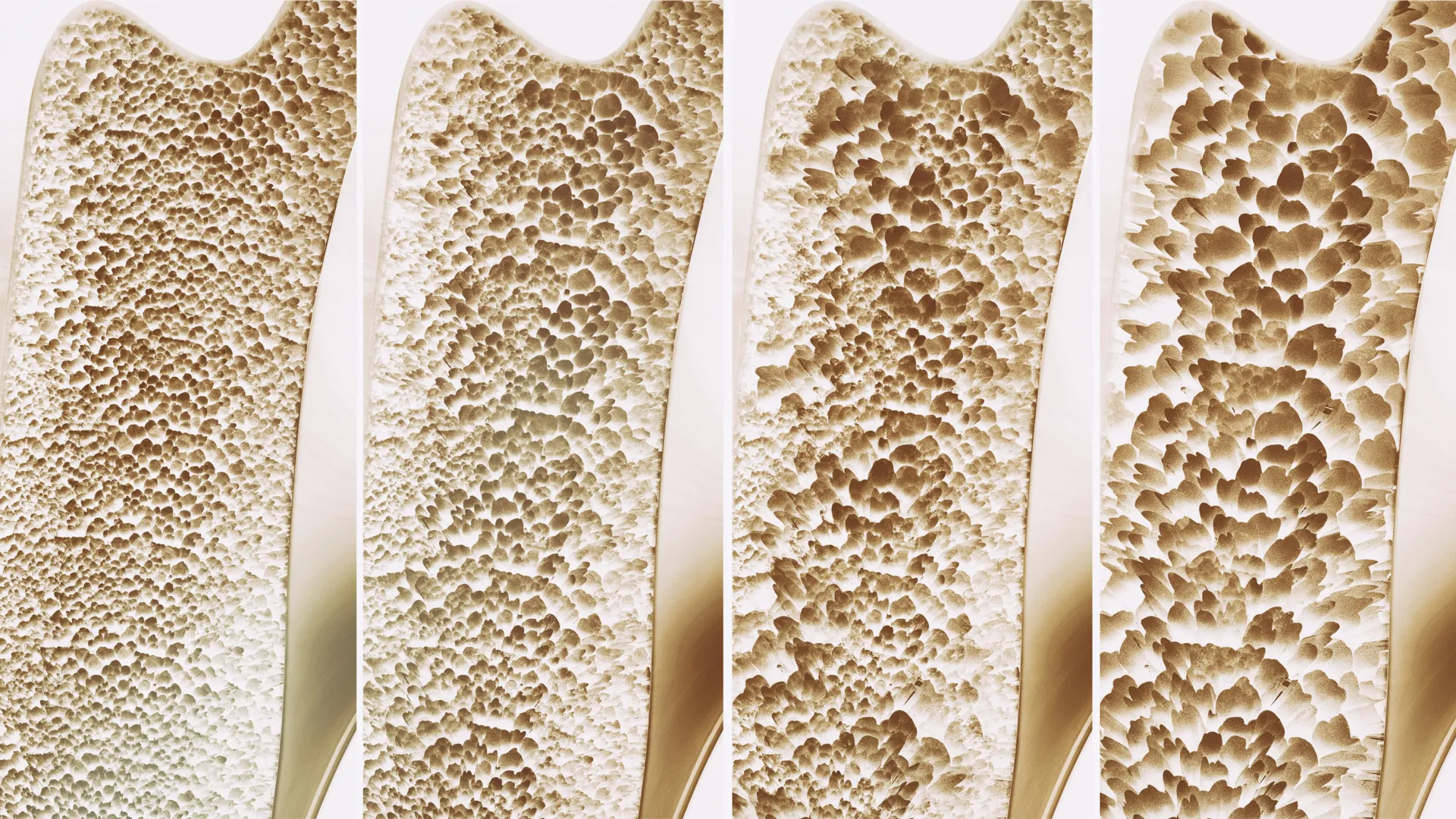
Landmark BMJ Review Challenges Bone Health Orthodoxy
A comprehensive review, published in The BMJ on June 15, 2026, delivers a pivotal challenge to long-standing practices regarding bone health. Encompassing data from nearly 154,000 individuals, the study concludes that calcium and vitamin D supplements offer little to no clinically meaningful benefit in preventing fractures or falls for the majority of older adults. This extensive analysis directly contradicts decades of public health recommendations and widespread consumer habits, signaling an urgent need for a fundamental reevaluation of current strategies for geriatric bone health.
Reassessing Supplement Efficacy: A Clinical Paradigm Shift
For decades, calcium and vitamin D supplements have been widely promoted and adopted as primary prophylactic measures against bone fragility and falls. This conventional wisdom has significantly influenced dietary guidelines, medical advice, and consumer purchasing, establishing a multi-billion-dollar global market for these products. However, The BMJ review’s findings introduce a critical recalibration, asserting that the anticipated protective effects against fractures, including severe types like hip fractures, are largely unsubstantiated in the general older adult population. This necessitates a profound shift from broad-spectrum supplementation towards more targeted, evidence-based interventions for fracture prevention.
The Nuance of Vitamin D’s Role: Deficiency vs. General Supplementation
Crucially, the review does not dispute the established physiological role of vitamin D in calcium metabolism. Vitamin D remains essential for facilitating the intestinal absorption of dietary calcium. A diagnosed deficiency in vitamin D can undeniably lead to decreased bone density and an increased fracture risk, as supported by research in journals like the Journal of Bone and Mineral Research, warranting clinical intervention. The review’s core finding, however, distinguishes between addressing specific deficiencies and the efficacy of generalized, population-wide prophylactic supplementation. It underscores that while targeted treatment for vitamin D deficiency is vital, routine supplementation for older adults without such a deficiency offers negligible widespread fracture prevention benefits.
Profound Implications for the Nutraceutical Industry and Market Recalibration
The widespread adoption of calcium and vitamin D supplements has fueled a robust global nutraceutical market. The BMJ review’s conclusions pose a significant strategic challenge to manufacturers heavily invested in products based on these specific health claims. Companies may face intensified scrutiny from regulatory bodies regarding marketing language and efficacy substantiation, potentially necessitating substantial adjustments to product positioning, research and development priorities, and investment portfolios within the health and wellness sector. This could trigger market consolidation, favoring companies able to demonstrate robust, evidence-backed solutions for bone health, and a decline in consumer confidence in generic supplement efficacy, leading to shifts in demand dynamics.
Rethinking Public Health Policy and Healthcare Investment
Falls and subsequent fractures represent a substantial public health crisis, annually affecting nearly one in three individuals aged 65 and older, imposing immense costs on healthcare systems through direct medical expenses, rehabilitation, and long-term care. The revelation that widely used preventative supplements offer minimal benefit highlights a significant opportunity cost. Health authorities are now compelled to reassess existing guidelines and reallocate resources towards demonstrably effective interventions. This includes redirecting public health campaigns and funding towards evidence-based strategies such as comprehensive exercise programs for balance and strength, home safety modifications, and targeted pharmacological treatments for high-risk individuals, aiming for more cost-effective and impactful geriatric care outcomes.
Evolving Clinical Practice and Patient Communication
The findings necessitate a critical review of clinical practice guidelines issued by medical associations globally. Healthcare professionals will need to update counseling strategies, moving away from routine, blanket recommendations for calcium and vitamin D supplementation for all older adults. The emphasis will shift towards individualized fracture risk assessment, incorporating bone mineral density measurements, personal fall history, lifestyle factors, and precise nutritional evaluations. This evolution demands ongoing professional education to ensure clinicians can effectively navigate these nuanced findings, provide clear, personalized guidance, and manage patient expectations regarding bone health strategies beyond generalized supplementation.
The Imperative for Evidence-Based Health Strategies
The BMJ review serves as a powerful reminder of the imperative for evidence-based decision-making across public health and clinical practice. It underscores that even deeply entrenched interventions must undergo continuous rigorous scientific re-evaluation to ensure ongoing relevance and efficacy. This commitment to empirical evidence is fundamental for optimizing health outcomes, ensuring the efficient allocation of healthcare resources, fostering innovation in areas like precision medicine and novel therapeutics, and maintaining public trust in scientific and medical institutions. The findings mark a pivotal moment, demanding a comprehensive and adaptive response from all stakeholders in the ongoing evolution of bone health strategies.