The Judicial Pivot: Challenging State-Level Protectionism
The Big 12 Conference’s 47-page federal complaint against Texas Tech University and Texas Attorney General Ken Paxton represents a definitive rupture in the governance of collegiate athletics. By seeking a declaratory judgment in the Northern District of Texas, the league is attempting to insulate its regulatory autonomy from the escalating encroachment of state-level political and judicial interference. This litigation transcends a single eligibility dispute; it is a strategic defense of the conference’s right to enforce uniform standards across diverse jurisdictions.
The Erosion of the Voluntary Association Doctrine
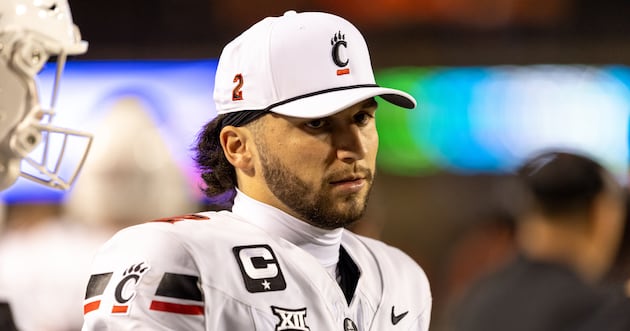
Historically, collegiate sports functioned under the legal doctrine of voluntary association, where member institutions contractually agreed to collective rules. The Brendan Sorsby case illustrates the collapse of this consensus. When member schools leverage state executive power to bypass collective agreements, the foundational incentive structure for membership compliance evaporates. This creates a fragmented regulatory environment where competitive equity is contingent upon the geographic location of an institution and the leanings of local officials.
Sovereign Intervention and Regulatory Fragmentation
The involvement of Attorney General Ken Paxton introduces a layer of sovereign protectionism into what was formerly a private contractual framework. The legal threat from the Attorney General’s office effectively weaponizes the state’s executive branch against the conference’s administrative functions. This shift necessitates a federal ruling to clarify whether a private association can legally penalize a member acting under the perceived protection or compulsion of state law. Without such clarity, the league faces a ‘race to the bottom’ where legal strategy overrides athletic policy.
The Rise of Judicial Governance and Market Risks
The decentralization of authority suggests that the ‘commissioner’ of college sports has been replaced by a disparate group of local judges issuing temporary restraining orders. This judicial governance introduces extreme unpredictability for media partners and athletic directors. Revenue distribution and television contracts are predicated on a stable, governed league. If the federal court denies the Big 12 the right to sanction its members, the conference loses its primary lever for maintaining discipline, potentially devaluing the brand as the athletic product becomes subject to the whims of sixteen different state legal systems.
Conclusion: The Existential Crisis of Institutional Autonomy
Texas Tech University finds itself at the center of a conflict between contractual obligations and political directives. If the university is shielded from conference sanctions via state intervention, it sets a precedent that member institutions are immune to the rules they helped create. The Big 12’s complaint is an attempt to restore order to a system disintegrating into localized legal fiefdoms. The resolution of this case will dictate whether the future of college sports remains governed by a central authority or by the fragmented decisions of local courts across the country.