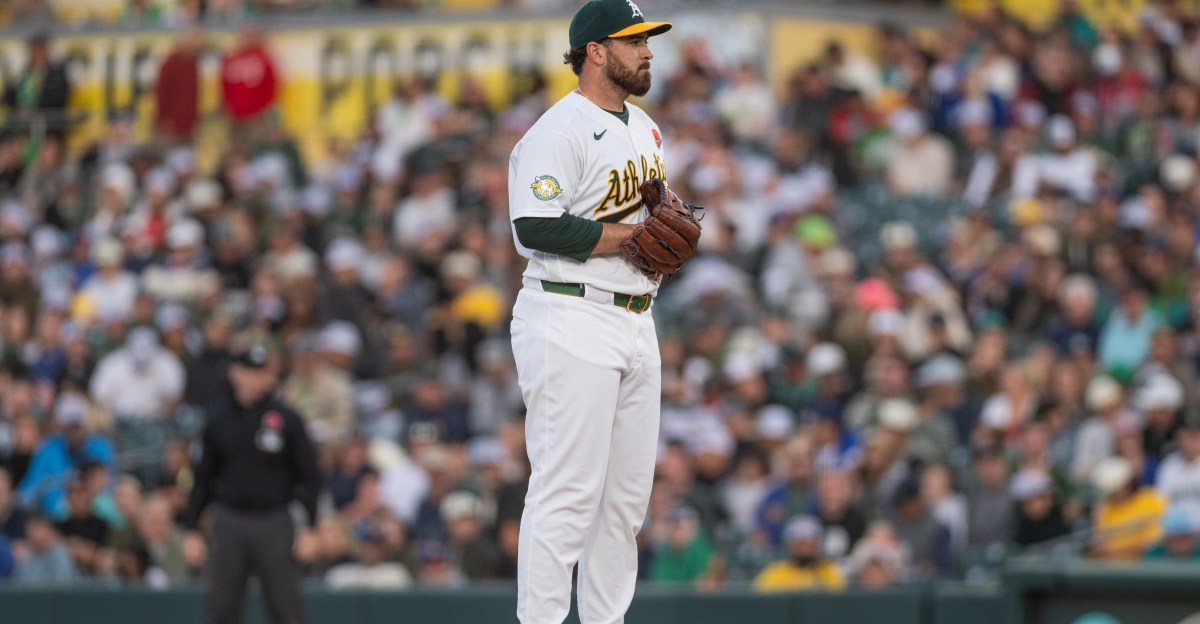
Franchise Mobility & Market Dynamics: The Athletics’ Sacramento Stint
The June 15, 2026, interleague contest between the Pittsburgh Pirates and the Athletics in Sacramento, California, is more than a routine game; it’s a critical microcosm reflecting profound structural shifts within Major League Baseball. The Athletics’ temporary residency at Sutter Health Park, a strategic precursor to their anticipated 2028 relocation to Las Vegas, epitomizes the intricate operational, financial, and strategic challenges defining contemporary professional sports franchise management.
This “transitional tenancy” exposes the complex logistics and significant financial implications of operating a major league entity without a permanent, dedicated home. The calculated decision to leverage an existing minor league facility as an interim solution balances immediate competitive imperatives with long-term market development goals. However, this temporality inherently strains revenue streams, fragments fan engagement strategies, and poses considerable risks to brand continuity and equity during a multi-year relocation saga. It underscores a growing trend where teams prioritize new market opportunities and upgraded facilities, even if it necessitates short-term operational compromises and disrupts established fan bases.
Economic Imperatives & Relocation Calculus: Las Vegas and Sacramento
The Athletics’ 2028 pivot to Las Vegas exemplifies the dominant economic forces shaping professional sports franchise mobility. This strategic calculus is driven by a relentless pursuit of enhanced revenue streams, predominantly through favorable new stadium deals, substantially increased media rights valuations, and access to more affluent or underserved local markets. The early assessment of the Las Vegas market, including the “hitter-friendly” Las Vegas Ballpark, provides a granular insight into the commercial and competitive factors underpinning the franchise’s long-term financial viability and strategic vision.
Such significant capital migration necessitates substantial upfront investment—comprising new facility construction, infrastructure upgrades, and league-mandated relocation fees. These outlays are meticulously weighed against projected long-term returns from a new, ostensibly more profitable market. This process inherently exposes franchise ownership to considerable financial risk and public scrutiny, while simultaneously presenting the receiving city with economic promises often predicated on significant public subsidies and investment demands. This recurring tension between private capital interests and public resource allocation is a cornerstone of the political economy of modern professional sports.
In contrast, the temporary Sacramento residency generates a distinct, transient economic footprint. While offering a short-term boost to local businesses through game-day operations, its inherent impermanence precludes meaningful long-term investment or deep community integration. This dual impact critically illustrates the fluid nature of sports franchises, where strategic imperatives or shifting market conditions can dictate moves, leaving host cities to manage the complex and often uneven economic and social ramifications of both temporary and permanent departures.
Strategic Scheduling & Competitive Balance: Interleague Play Dynamics
The significance of the Pirates-Athletics matchup is amplified by the latest MLB schedule iteration, which limits interleague series to once per year, with teams visiting their cross-league opponents’ park biennially. This structural reform elevates each interleague encounter into a potentially singular, “historic” event, as evidenced by the Pirates’ likely “final stop ever in Sacramento.” These adjustments are strategically engineered to optimize several league objectives: enhancing competitive balance, mitigating player travel burdens, and amplifying the commercial appeal of rarer matchups, thereby increasing their perceived value for fans and driving media viewership.
From a competitive strategy perspective, this reduced frequency of interleague play fundamentally alters strength-of-schedule metrics and intensifies divisional rivalries by concentrating a greater proportion of games within a team’s own league. This recalibration demands adaptive strategic responses from team management, impacting roster construction, player development priorities, and in-game tactical decisions. Scouting departments, for instance, must recalibrate their resource allocation, with detailed biennial preparation for specific interleague opponents gaining heightened importance. This is not merely an administrative tweak but a fundamental reshaping of the competitive environment, reflecting MLB’s continuous pursuit of optimal product presentation in an evolving sports media and entertainment market.
Performance Optimization & Asset Management: Pitcher Workload Strategy
The Pittsburgh Pirates’ deliberate management of Jared Jones, limiting him to five innings or fewer in his initial starts, exemplifies a pervasive paradigm shift in contemporary baseball: prioritizing long-term player health and asset protection over immediate individual game maximization. This analytical approach, deeply informed by advanced sports science, biomechanics, and precise workload analytics, reflects an organizational commitment to sustainable player development and injury mitigation—critical for safeguarding significant financial investments in high-value pitching talent.
This strategic restraint carries substantial competitive implications, necessitating sophisticated bullpen management and a deeper, more versatile pitching staff to absorb later-inning responsibilities. While potentially impacting traditional metrics like pitcher wins or complete games, the primary objective is to optimize a starter’s effectiveness and durability across an entire season and, crucially, over their multi-year contract lifecycle. Such protective measures are integral to modern franchise risk management, designed to preserve multi-million-dollar assets and extend competitive windows.
The inherent tension between optimizing immediate game outcomes and ensuring long-term player sustainability defines a core strategic challenge for front offices. The Pirates’ philosophy with Jones signals a clear organizational embrace of data-driven performance management, contrasting sharply with historical norms that emphasized pitching deep into games. This evolution underscores a more comprehensive, scientifically-backed understanding of athletic performance, recovery, and long-term career trajectory.
Roster Resilience & Injury Economics: Navigating MLB’s Physical Demands
The extensive injury lists affecting both the Athletics and the Pirates—featuring key players like Brent Rooker, Aaron Civale, Luis Severino, Joey Bart, Oneil Cruz, and Konnor Griffin—underscore the severe physiological demands and inherent attrition of a professional baseball season. The Athletics’ particularly strenuous schedule, encompassing “32 games in 34 days” and consecutive multi-game stretches, acutely highlights the need for extraordinary physical resilience and profound strategic roster depth across MLB.
These widespread player absences generate significant operational and financial repercussions. Operationally, they mandate continuous in-season adjustments to lineups, pitching rotations, and defensive alignments, rigorously testing the depth, versatility, and adaptability of a team’s entire organizational pipeline. Financially, franchises bear the considerable burden of guaranteed contracts for sidelined players, alongside escalating costs for advanced rehabilitation protocols, expanded medical staff, and potentially the acquisition of costly replacement talent. This pervasive personnel churn due to injury is a fundamental, unavoidable component of modern major league franchise management, directly impacting payroll efficiency and competitive sustainability.
An effective strategic response to high injury rates requires meticulous player development planning, robust and integrated minor league systems, and a proactive, data-driven approach to sports medicine, conditioning, and recovery science. Building rosters with sufficient depth to absorb inevitable player losses without a precipitous decline in competitive performance is a hallmark of successful organizations, illuminating the critical and intricate interplay between athlete well-being, financial stewardship, and overarching competitive strategy.
Market Efficiency & Franchise Valuation: Interpreting Betting Odds
The betting market’s odds for the Pirates vs. Athletics game (Athletics favored at -125, Pirates at +105) provide a quantitative, real-time reflection of aggregated public and expert perception regarding team strength, competitive advantage, and probabilistic outcomes. These odds synthesize a complex array of inputs: recent team performance trends, specific starting pitcher matchups, the nuanced impact of “home-field” advantage (even within a temporary venue), and individual player metrics like Zack Gelof’s 18-game hitting streak, which signals a player in peak offensive form and influences expected game performance.
The total run line of 10, with a slight lean towards the “over,” further elucidates market expectations regarding the offensive capabilities and scoring potential of both clubs. This financial overlay of sports engagement serves as a dynamic, real-time assessment of competitive dynamics, extending its influence beyond wagering behavior to shape media narratives and broader fan interest. Crucially, the market’s collective assessment of a franchise’s immediate and future prospects can subtly impact investor confidence and, by extension, the perceived long-term valuation of a team, a factor particularly salient for an organization undergoing a tumultuous transition like the Athletics.
These market valuations are inherently dynamic, adjusting instantaneously to new information, evolving player performance, and strategic developments. They represent a sophisticated, decentralized aggregation of diverse data points and sentiment, translating intricate sporting variables into tangible financial indicators. For franchise leadership, a rigorous understanding of these market signals offers invaluable insights into public perception, competitive positioning, and the perceived efficacy of strategic decisions spanning from roster construction and talent acquisition to in-game player deployment.
Synthesizing Dynamics: Sport, Capital, and Community in MLB
The June 15 game, far from an isolated event, serves as a compelling case study illuminating the intricate nexus of athletic competition, capitalistic enterprise, and community identity within modern professional sports. The Athletics’ protracted journey—from Oakland, through a temporary Sacramento residency, and toward a permanent Las Vegas home—powerfully demonstrates the profound macroeconomic and social ramifications of franchise mobility. This ongoing transformation crystallizes the evolving, often fraught, relationship between sports organizations and their host cities, characterized by complex negotiations over public subsidies, infrastructure investment, and the elusive promise of long-term economic benefits versus community displacement.
The operational complexities of managing a major league team through a transitional period, juxtaposed with the advanced strategic adjustments in player management and league-wide scheduling, collectively unveil the multi-faceted, systemic challenges confronting contemporary sports organizations. These interconnected elements critically shape the competitive landscape, drive financial outcomes, and define the immersive experience for all stakeholders: from athletes and ownership to local businesses and the deeply invested fan bases, both current and displaced. This singular game thus stands as a potent microcosm of the larger, interwoven forces at play across a rapidly evolving global sports industry.
Ultimately, the specific details surrounding this game underscore systemic tensions and emergent opportunities inherent to MLB’s current ecosystem. They highlight the imperative for franchises to continuously adapt to new market realities, strategically leverage league-wide policies (like scheduling reforms), and meticulously manage their most valuable, yet vulnerable, assets—their players. All this must be navigated amidst the complex interplay of financial imperatives, competitive pressures, and often conflicting community expectations. The future trajectory of professional baseball, both on-field performance and off-field business strategy, will invariably be shaped by these profoundly interconnected, dynamic forces.