World Cup 2026: Strategic Openers and Shifting Group Dynamics
Day five of the 2026 FIFA World Cup introduces Groups G and H, featuring established footballing nations facing potentially challenging openers that will immediately shape group standings and tournament trajectories.
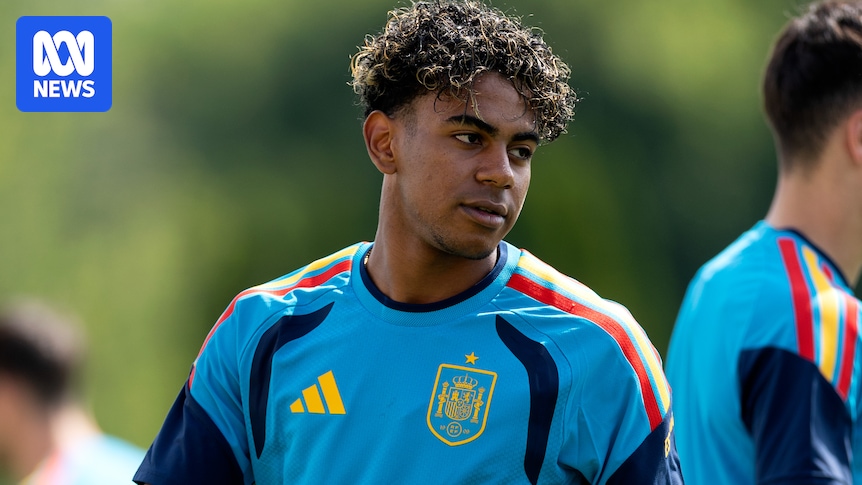
Spain’s campaign begins against debutants Cape Verde. While a clear favorite, Spain faces the strategic challenge of maintaining focus and execution against an underdog eager to make a statement, a common early-stage pitfall.
Belgium’s encounter with Egypt in Seattle presents a complex early test within Group G. This cross-confederation clash offers immediate insight into the tactical approaches and squad depth of both nations, with the outcome potentially establishing a crucial early advantage or introducing significant pressure.
Group H’s opening match features Uruguay against Saudi Arabia, a direct confrontation for early points that underscores the competitive intensity from the outset. A strong start is vital for building confidence and tactical flexibility.
The day’s final match in Los Angeles, Iran versus New Zealand, carries significant narrative weight beyond the on-field competition. Iran’s forced relocation of its World Cup base camp from Arizona to Tijuana, Mexico, introduces a substantial logistical and psychological factor, potentially impacting team cohesion and performance.
These opening fixtures carry profound strategic implications, influencing betting markets, media narratives, and fan engagement. Dominant early performances solidify favorites, while unexpected results can trigger significant shifts in perceived strength and potential knockout pathways.
Cape Verde’s World Cup debut presents an opportunity for the nation to make a global impact. Their defensive organization and potential for counter-attacking threats necessitate a disciplined and adaptable approach from Spain, highlighting the tournament’s unpredictability.
Spain’s squad management, exemplified by Lamine Yamal’s presence on the bench, reflects an awareness of the long tournament path and the need for strategic player fitness and tactical options.
Belgium’s fixture against Egypt is framed as a crucial inter-confederation clash, testing teams’ ability to adapt to distinct playing styles and tactical philosophies, a vital skill for later stages.
The narrative surrounding Iran’s base camp relocation underscores the logistical and political undercurrents that can influence a team’s tournament experience, potentially serving as either a unifying force or a persistent distraction.
The integration of standardized hydration breaks signifies an evolving approach to player welfare and performance management, impacting game flow and tactical pacing.
The ‘Premier League factor’ highlights the influence of high-intensity club football on international performance, with players accustomed to this level potentially possessing a conditioning and tactical advantage.
Insights from Scotland’s assistant coach Steven Naismith illustrate the granular strategic planning involved, with a focus on specific opponent matchups.
The increasing integration of advanced technological aids, such as ‘Snickometer technology’ used during Sweden’s match, signals a trend towards data-driven decision-making in football.
Day 5’s matches are not merely sporting contests but complex events involving national pride, strategic planning, logistical management, and technological integration, all unfolding on a global stage.
The strategic imperative for teams like Spain and Belgium to secure early wins is paramount. A strong start creates a buffer against mid-group stumbles and provides a psychological advantage; a setback immediately elevates stakes for subsequent matches.
Cape Verde’s ability to absorb pressure and exploit defensive lapses from Spain will be key to their competitive standing and the narrative of their tournament debut.
Uruguay’s stated ambitions for knockout rounds place immediate pressure on their performance against Saudi Arabia, demanding a statement of intent.
Iran’s performance against New Zealand will be viewed through the lens of their disrupted preparation, testing their resilience and coaching effectiveness under challenging circumstances.
Strategic decisions by coaches in these opening matches will have ripple effects, with adaptability and responsiveness to evolving situations being hallmarks of successful teams.
Media coverage, particularly narratives like Iran’s relocation, will shape public perception and fan engagement, influencing the emotional investment and overall tournament arc.
The competitive landscape is redefined by these early encounters, contributing to an evolving hierarchy of perceived team strengths and weaknesses.
Spain aims for a commanding victory against Cape Verde to establish dominance and potentially allow for squad rotation, conserving energy.
Belgium’s clash with Egypt is critical; a win solidifies their contender status, while an Egyptian victory would create immediate pressure.
Uruguay’s approach to their opener against Saudi Arabia, dictated by historical pedigree and stated ambitions, will signal their intent for the knockout stages.
Iran’s match against New Zealand is a test of resilience; their performance under adversity will be a significant narrative element.
Hydration breaks strategically influence game flow, offering moments for regrouping and tactical adjustments.
The Premier League factor’s influence highlights the advantage players accustomed to high-intensity club football may possess.
Scotland’s meticulous preparation, focusing on specific opponent matchups, demonstrates the nuanced strategic planning required.
Technological advancements contribute to the integrity and analytical depth of modern football, impacting officiating and analysis.
Day 5 matches begin shaping the narrative and competitive landscape, setting the stage for critical subsequent games and influencing morale and expectations.
The competitive leverage from an opening win is substantial: Spain aims for dominance, Belgium to validate credentials, Uruguay to confirm knockout aspirations, and Iran to demonstrate resilience.
Early match advantage is influenced by historical performance, squad depth, and preparation. Established teams like Spain and Belgium are positioned to leverage these factors.
Cape Verde and Saudi Arabia face the challenge of disrupting established patterns, likely focusing on defensive solidity and capitalizing on opportunities.
The World Cup’s impact on host nations and the global football ecosystem is significant, with logistical complexities a reminder of intricate planning requirements.
Strategic player management is crucial for teams with high expectations, balancing immediate results with long-term tournament progression.
The World Cup narrative is built match by match; Day 5 contributes to the overarching story through the interplay of established and emerging nations.
Financial implications for well-performing teams are considerable, enhancing a nation’s footballing brand and economic benefits.
The competitive pressure to perform from the first whistle is immense, with opening results significantly impacting team confidence and tactical execution.
The strategic evolution of football, through technology and player welfare, shapes coaching strategies and on-field decisions.
The narrative extends beyond the pitch, encompassing stories of resilience and adaptation, with Iran’s situation highlighting the human element.
Competitive advantage lies with teams that adapt quickly to different opponents and playing styles, with inter-confederation clashes being particularly revealing.
Media attention will be influenced by unfolding narratives, with unexpected results and compelling storylines capturing headlines.
The long-term impact of the World Cup influences development programs, infrastructure, and global perception, with Day 5 performances contributing to this larger canvas.
The strategic imperative for all teams is to maximize performance within given constraints, leveraging strengths or overcoming adversity.
The World Cup’s competitive landscape is dynamic, shaped by individual match outcomes and underpinning strategic decisions, with Day 5 marking a critical phase in this evolution.