The Structural Mechanics of a Superstar Trade
The discourse surrounding a potential Giannis Antetokounmpo trade marks a critical junction in franchise asset management and championship pursuit. Following a turbulent season, the Milwaukee Bucks face intense organizational scrutiny, forcing a recalibration of their long-term strategic trajectory. The involvement of the Miami Heat and Boston Celtics reflects a competitive tension between established contenders and those attempting to consolidate high-end talent.
The Miami Heat: Balancing Depth and Star Impact
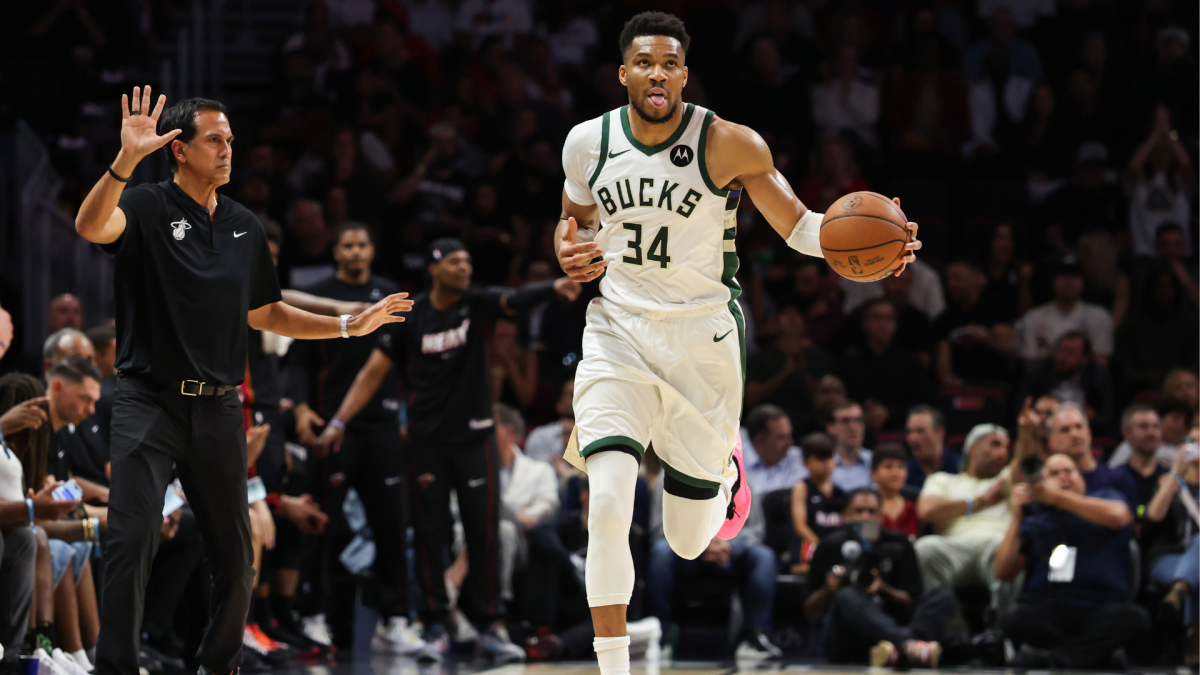
The Miami Heat remain a primary suitor, proposing a package structured around Tyler Herro, Kel’el Ware, and Jaime Jaquez Jr., complemented by significant draft capital. This strategy forces a trade-off: sacrificing rotational depth and future flexibility for the immediate, high-ceiling impact of a perennial MVP candidate. The public nature of these negotiations adds reputational pressure, as the Heat effectively leverage their developmental assets to extend a closing championship window.
The Boston Celtics: Aggressive Market Positioning
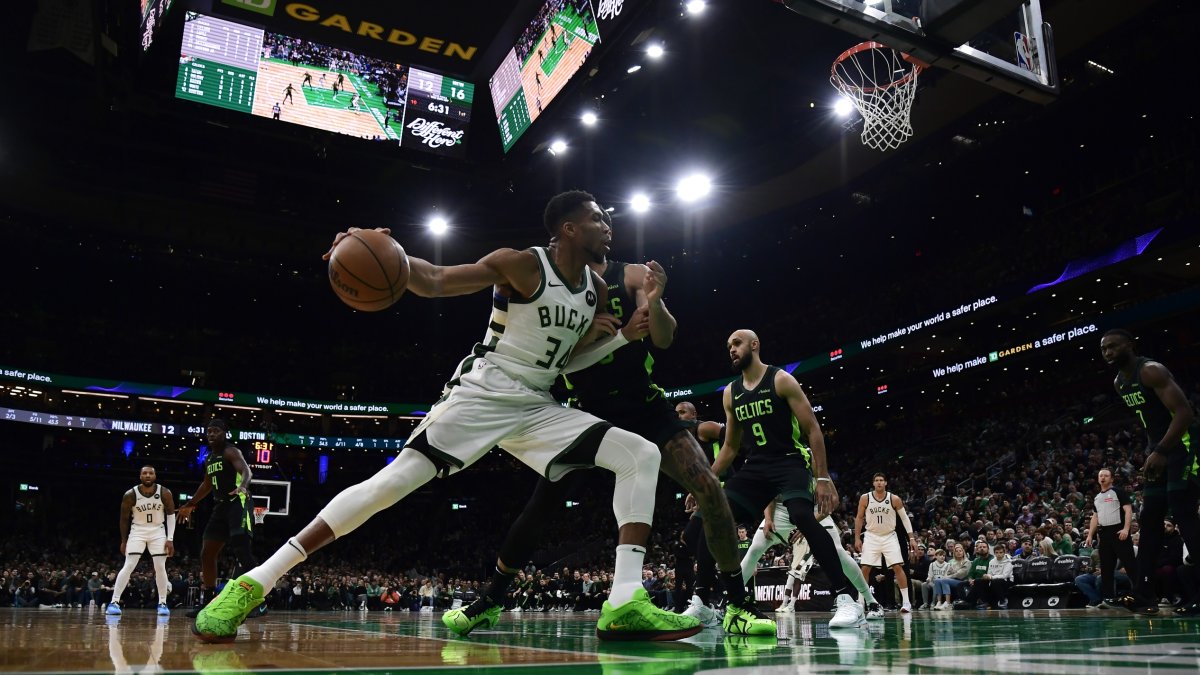
Industry reports suggest the Boston Celtics have initiated inquiries with high urgency. Their willingness to leverage roster assets signals a departure from incremental growth toward a transformative acquisition strategy. This move, if realized, would force a league-wide reassessment of defensive and offensive configurations, shifting the competitive hierarchy of the Eastern Conference.
Institutional Pressures and Ownership Strategy
Milwaukee Bucks ownership, specifically Jimmy Haslam, has reportedly established a definitive timeline for resolution. This insistence on clarity before the draft reflects a modern institutional preference to mitigate the market volatility caused by prolonged speculation. For front offices, this administrative pressure necessitates a binary choice: commit to an aggressive retooling or initiate a comprehensive rebuild, thereby minimizing the impact of ongoing trade rumors on sponsorship valuations and fan engagement.
Market Scarcity and Competitive Leverage
The limited pool of viable suitors stems from the exorbitant financial and human capital required to facilitate such a transaction. The scarcity of elite, franchise-altering talent inherently inflates acquisition costs, forcing teams into complex evaluations of their core composition. Consequently, the selling franchise must balance the immediate influx of talent against the long-term impact on its competitive sustainability.
Downstream Effects on NBA Parity
The potential mobility of a superstar like Antetokounmpo accelerates a league-wide trend toward short-term contention windows. This shift prioritizes proven, championship-ready talent over organic team building. As franchises consolidate resources, the resulting disparity in roster quality could fundamentally alter the competitive landscape, influencing television viewership and the strategic mandates of league front offices for future seasons.