Star Power and Sporting Drama Converge at FIFA World Cup 2026 Opener
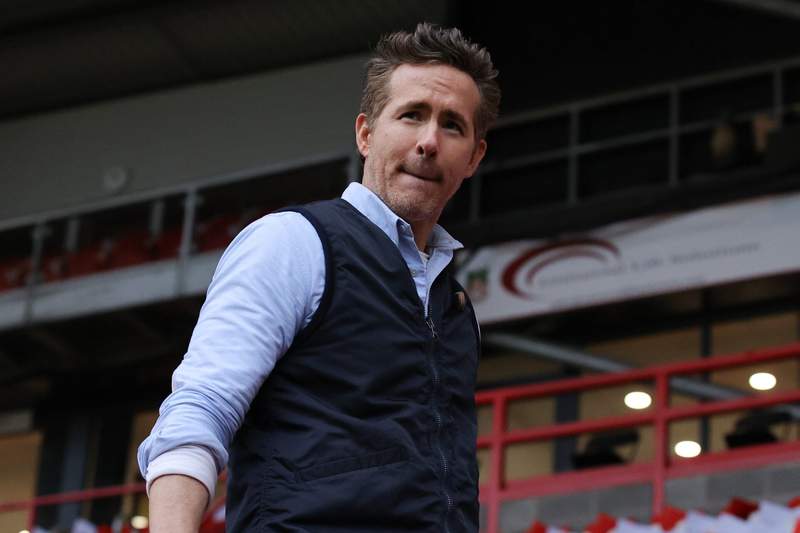
The FIFA World Cup 2026 opener between Canada and Bosnia and Herzegovina served as a microcosm of FIFA’s evolving strategy: integrating celebrity influence and entertainment to amplify major sporting events. The presence of Canadian actors Ryan Reynolds and Mike Myers, alongside musical artists in pre-game ceremonies, demonstrates a deliberate effort to broaden the event’s visibility and cultural resonance beyond traditional fan bases.
This approach, mirroring Mexico’s tournament launch featuring global music stars, positions World Cup matches as multifaceted entertainment spectacles. By leveraging high-profile personalities, FIFA aims to generate significant media attention, attract a wider, more diverse audience, and enhance commercial appeal. This dual focus on athletic performance and celebrity engagement signals a maturation in sports event marketing, where star power is a critical driver of viewership and ancillary revenue.
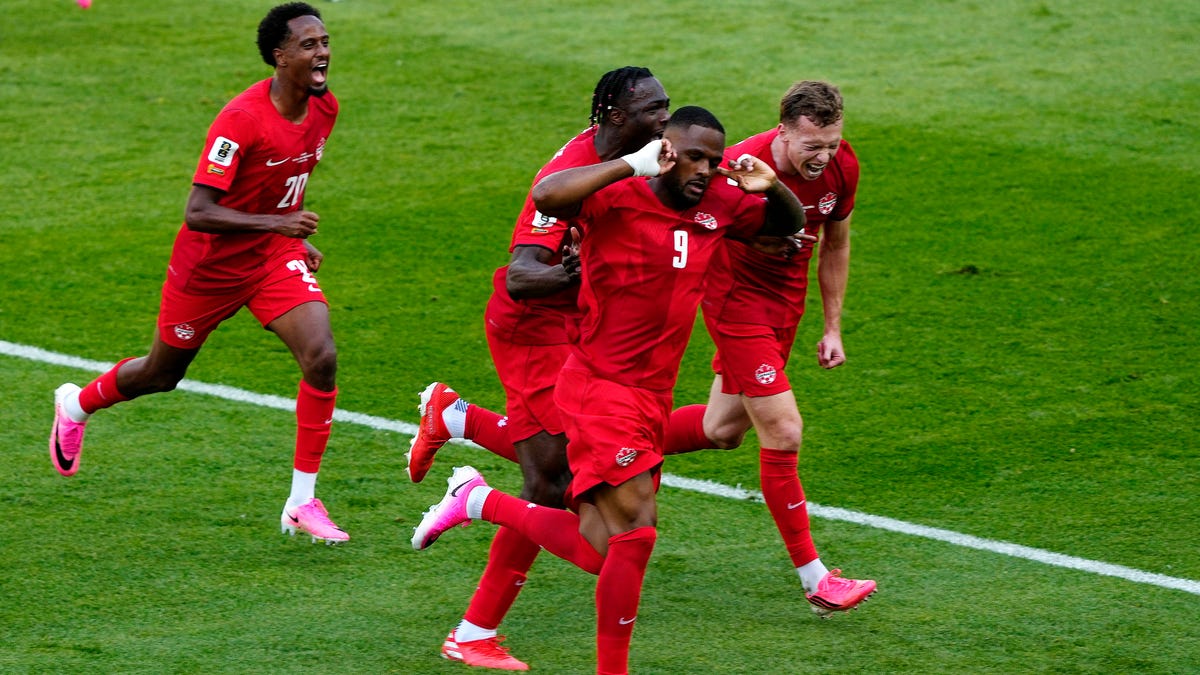
Cyle Larin’s Pivotal Equalizer
Cyle Larin’s decisive 78th-minute equalizer, achieved on his first touch after entering the match, provided a dramatic narrative turning point for Canada’s World Cup debut. This intervention transformed a potential opening-game defeat into a crucial draw, alleviating immense pressure on the host nation and its national team.
Larin’s immediate impact underscores the strategic value of tactical substitutions and the decisive role of individual performance in high-stakes environments. His contribution not only secured a critical result but also highlighted the inherent unpredictability and dramatic potential that defines elite international football.
Celebrity Attendees and Brand Alignment
The appearances of Ryan Reynolds and Mike Myers, noted for their contrasting public personas, offered a subtle commentary on personal brand association within a high-visibility sporting context. Reynolds’ understated style contrasted with Myers’ more overt engagement, linking these globally recognized figures to the FIFA World Cup 2026 brand.
This strategic alignment of celebrity endorsement with major sporting tournaments is designed to influence consumer perceptions and foster brand loyalty. Such associations can translate into increased merchandise sales and bolster the overall commercial ecosystem surrounding the event.
Strategic Value of Host Nation Performance
Canada’s performance as a host nation, particularly the pressure to secure a positive result in their opening match, carries substantial implications for the tournament’s long-term narrative and economic viability. A strong showing by the national team is crucial for sustaining domestic interest and maximizing economic benefits.
The draw secured by Larin’s goal mitigates the immediate risk of a demoralizing loss, preserving momentum and fan engagement. This outcome is vital for maintaining the enthusiastic atmosphere necessary to support the extensive infrastructure and investment associated with hosting such a global event.
Integrated Commercial Ecosystem and Merchandising Leverage
The rapid availability of Cyle Larin’s Nike jersey on platforms like Fanatics post-goal exemplifies the tightly integrated commercial ecosystem of major sporting events. This swift merchandising response capitalizes on peak fan interest and player performance, driving sales and reinforcing brand visibility.
This strategy benefits sportswear manufacturers and retailers while contributing to the tournament’s financial success through direct revenue streams linked to on-field action. The ability to translate on-field heroics into purchasable merchandise demonstrates sophisticated market dynamics in the digital age.
FIFA’s Global Event Strategy and Stakeholder Alignment
FIFA’s consistent deployment of star power and entertainment elements in World Cup ceremonies reflects a broader strategic imperative to maximize global reach and commercial appeal. This approach aims to solidify the World Cup’s position not just as a sporting pinnacle but as a cultural phenomenon.
By aligning with influential figures and integrating diverse entertainment, FIFA cultivates a broad coalition of stakeholders, including media, corporate sponsors, and entertainment industries. This multi-pronged strategy ensures sustained engagement and robust financial returns, reinforcing the tournament’s status as a premier global brand.
Competitive Landscape of Sports Entertainment
The emphasis on celebrity involvement and entertainment value places the FIFA World Cup 2026 opener within a competitive landscape where sports properties vie for audience attention against a backdrop of diverse entertainment options. This strategic positioning is essential for maintaining and growing viewership in a fragmented media environment.
By transforming matches into cultural events with broad appeal, FIFA aims for a dominant position in the global sports entertainment market. This acknowledges that sustained commercial success and long-term relevance depend on resonating with audiences beyond core sports enthusiasts, creating a more resilient revenue model.
Downstream Implications for Athlete Endorsements
The high-profile nature of the World Cup, amplified by celebrity attendees and extensive media coverage, creates significant downstream opportunities for athlete endorsements. Players who perform well, like Cyle Larin, can see their marketability and earning potential significantly enhanced.
This dynamic incentivizes peak performance, as athletes understand on-field achievements are directly linked to off-field commercial prospects. The symbiotic relationship between athletic success and brand value is critical to the modern professional sports economy.
Media Narrative Control and Public Perception Management
The strategic inclusion of celebrities and entertainment elements allows FIFA and its partners to shape the media narrative, moving beyond athletic analysis to encompass broader cultural dimensions. This narrative control is crucial for managing public perception and maximizing positive media exposure.
By creating visually compelling and socially relevant content, organizers generate sustained media interest. This integrated approach is vital for cultivating a global audience and ensuring the tournament’s continued relevance in an era of constant information flow.
Fan Engagement and Experiential Marketing
The integration of celebrity appearances and pre-game entertainment transforms the matchday experience into a more holistic and engaging event for attendees, aiming to create lasting memories and foster deeper fan loyalty.
By offering a blend of high-level sport and cultural attractions, organizers appeal to a wider demographic, including families and casual observers, thereby expanding the tournament’s reach and building a robust fan base.
Impact on Future Tournament Bidding and Hosting
The success of FIFA’s integrated entertainment and sporting strategy can influence future bidding processes. Nations seeking to host major tournaments may be evaluated on their capacity to support and integrate such multifaceted event components.
Future bids will likely need to demonstrate not only robust sporting infrastructure but also the ability to attract and accommodate high-profile entertainment and celebrity engagement, reshaping economic and logistical considerations for potential host countries.