The Structural Evolution of International Football Rosters
The tactical convergence of the Canada Men’s National Team and Bosnia and Herzegovina at BMO Field highlights a systemic shift in how national associations manage talent lifecycles. This fixture serves as a practical case study for the operational, commercial, and tactical pressures facing modern football federations. As both nations navigate the intense scrutiny of the global stage, their contrasting squad construction strategies reveal the underlying economic and athletic incentives shaping the international game.
For host nations like Canada, the upcoming cycle represents a critical commercial window to maximize domestic engagement and elevate the market value of homegrown talent. Conversely, visiting nations like Bosnia and Herzegovina must balance the immediate demands of international competition with the long-term necessity of structural rebuilding. These competing priorities influence everything from coaching appointments to individual player recovery protocols, creating a complex web of stakeholder incentives. Ultimately, on-pitch performance is directly linked to the administrative and strategic decisions made behind the scenes.
The Commercial and Media Ecosystem of Modern Athletes
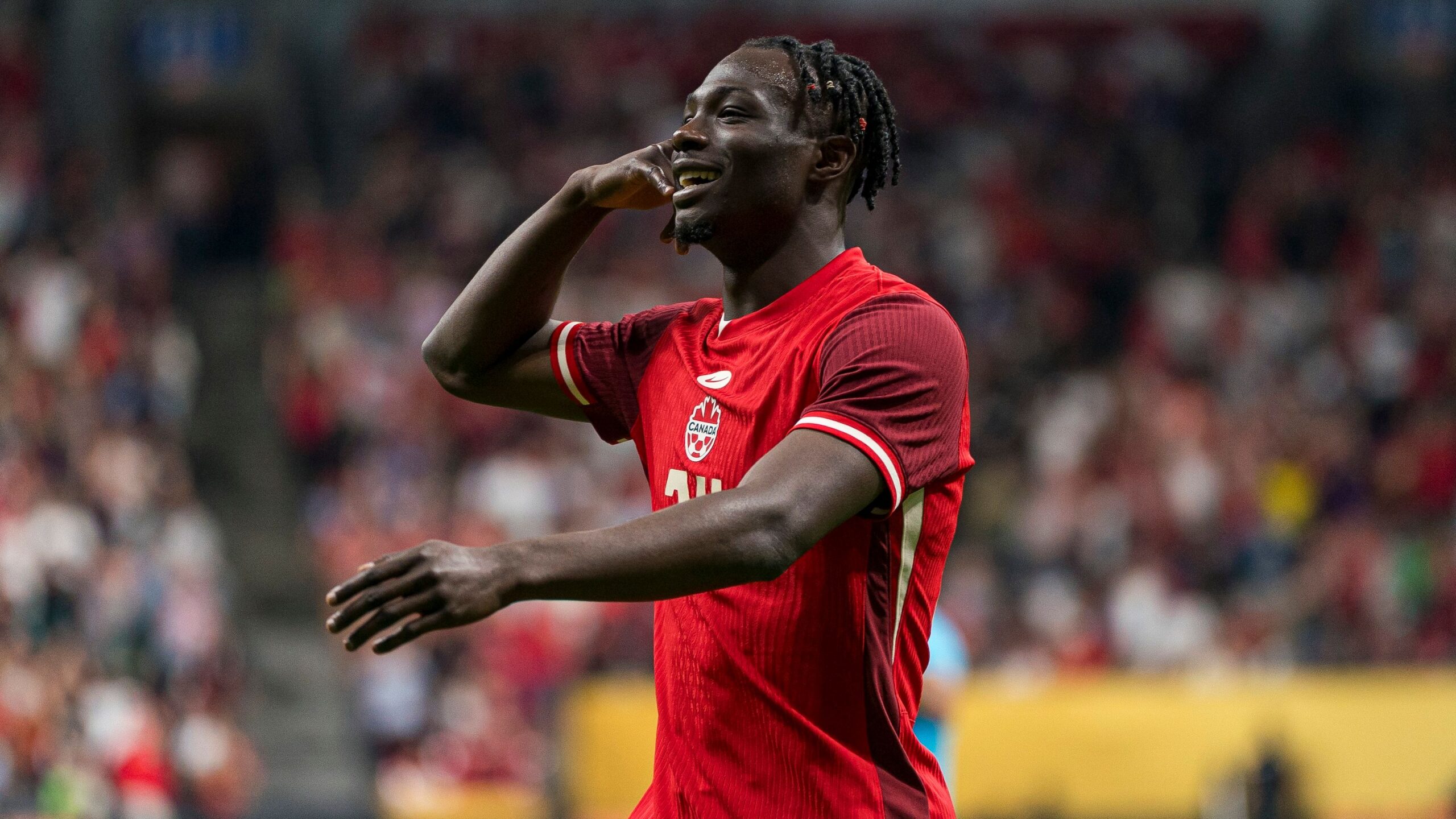
The digital consumption habits of elite athletes during major tournaments highlight the evolving relationship between media rights, regional licensing, and player lifestyle management. Promise David’s preference for accessing licensed streaming platforms while in Canada, rather than utilizing unauthorized distribution channels, underscores the growing awareness of intellectual property rights among modern professionals. This behavior reflects a broader trend where athletes align themselves with legitimate digital ecosystems, reinforcing the commercial value of domestic broadcast partnerships. The integration of localized entertainment, such as the appearance of prominent cultural figures like Drake in domestic programming, further solidifies the connection between sports entertainment and regional media markets.
Furthermore, the integration of global consumer brands like McDonald’s into an athlete’s post-match routine demonstrates the shifting paradigm of high-performance nutrition and personal branding. Modern sports organizations increasingly recognize that rigid, hyper-controlled environments can induce psychological fatigue during long tournament cycles. Allowing players to maintain familiar personal routines, such as watching specific media content or consuming comfort food, serves as a calculated decompression strategy. This operational flexibility helps mitigate the intense psychological pressures associated with representing a nation on the world stage.
The Economics of Accelerated Injury Recovery and Club-Country Friction
The physical preparation of athletes like Promise David, who underwent an accelerated injury recovery program to secure his roster spot, illustrates the delicate financial balance between club and country. Royale Union Saint-Gilloise, the Belgian club where David has established himself as a primary offensive asset, represents the primary financial stakeholder in the player’s career. The club assumes the direct financial risk of asset depreciation if an accelerated recovery leads to a secondary injury during international duty. Meanwhile, the national association operates under immediate competitive incentives, prioritizing short-term tournament success over long-term club asset management.
This structural tension is particularly acute for high-performing strikers whose market valuations are highly sensitive to tournament exposure. A successful campaign can exponentially increase a player’s transfer value, benefiting the domestic club through substantial capital gains in future transfer windows. However, the operational risk of reinjury remains a constant concern for sports science departments, who must coordinate closely across international boundaries to monitor workload metrics. The collaboration between club medical staff in Belgium and national team trainers in Canada represents a critical operational link that directly impacts both competitive outcomes and financial portfolios.
Tactical Restructuring and the Youth Movement in Bosnia
The administrative strategy of Bosnia and Herzegovina under head coach Sergej Barbarez represents a radical departure from traditional roster construction models. By handing debuts to sixteen players in his inaugural year, Barbarez has initiated a systemic transition designed to phase out an aging generation. Relying almost exclusively on veteran captain Edin Dzeko and former Arsenal defender Sead Kolasinac for institutional experience, the Bosnian federation is actively prioritizing the development of young talent. This approach is designed to build a sustainable competitive foundation that can support the national team through multiple qualification cycles.
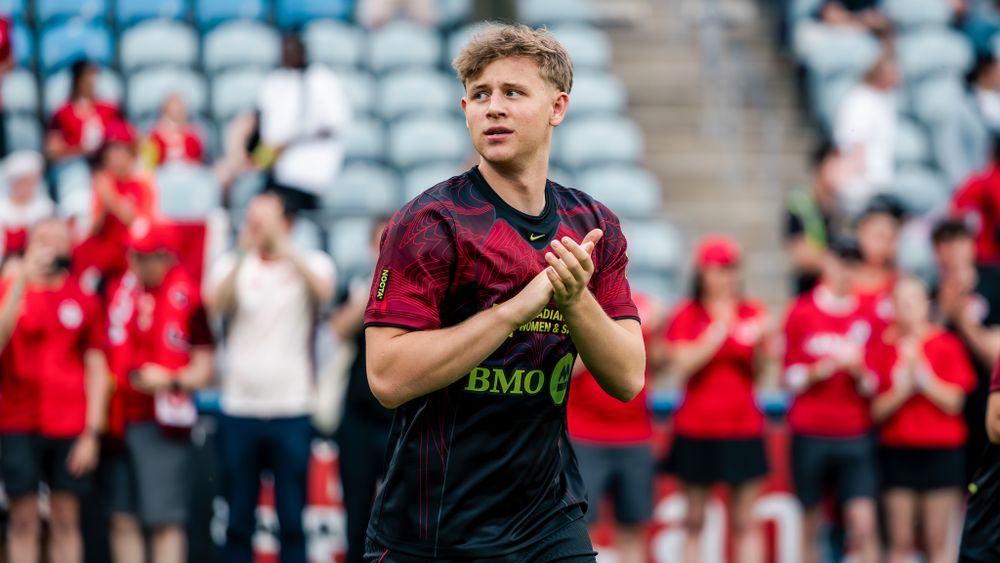
A prime example of this youth-centric philosophy is the integration of eighteen-year-old winger Kerim Alajbegovic, who has already accumulated ten caps while developing within the Red Bull Salzburg system. The reliance on players developed in elite European academies highlights the scouting and developmental pipelines that smaller football associations must leverage to remain competitive. Because these young players are exposed to modern tactical systems at the club level, they can more easily adapt to the rigorous demands of international football. This structural synergy allows the national team to implement disciplined tactical frameworks despite a lack of collective experience.
Tactical Adaptations and the Compact Defensive Block
Under the tactical direction of Sergej Barbarez, Bosnia and Herzegovina frequently deploys a compact 4-4-2 defensive shape designed to minimize space between the lines. This structural rigidity is a deliberate tactical choice intended to protect an inexperienced roster from being exposed by dynamic attacking transitions. By maintaining a low defensive block, the team can frustrate opponents, force turnovers in low-risk areas, and launch counter-attacks through direct service to target players. This pragmatic approach acknowledges the current limitations of the squad while maximizing their collective defensive organization.
The effectiveness of this system was evident during the clash at BMO Field, where Bosnia took an early lead through a header from Josko Lukic. Conceding an early goal forced the Canadian side to alter their attacking geometry, increasing the tempo of their possession to break down the compact Bosnian block. The tactical battle highlighted the difficulty of breaking down a well-drilled defensive unit, even when playing in front of a passionate home crowd. For Bosnia, the ability to secure a result using this system validates the defensive principles instilled by Barbarez during his initial managerial tenure.
Canada’s Strategic Mandate and Home-Field Pressures
Playing at BMO Field in Toronto imposes a unique set of operational and psychological demands on the Canada Men’s National Team. As co-hosts of the tournament, the team is under immense pressure to deliver competitive performances that can catalyze interest in the sport across the country. The tactical reliance on established goalscorers like Cyle Larin, whose clinical finish leveled the score against Bosnia, remains critical for stabilizing the team during moments of adversity. Larin’s ability to convert half-chances is crucial to keeping Canada competitive against defensively disciplined opponents.
Simultaneously, the integration of emerging talents like Luc de Fougerolles and Promise David represents a strategic investment in the team’s future competitive capacity. The coaching staff must balance the immediate necessity of securing results with the long-term goal of blooding young players in high-pressure environments. This dual mandate requires precise squad rotation and tactical flexibility, ensuring that the team remains competitive in the present without compromising the development of its next generation of leaders. The ability of these young players to embrace the spotlight will ultimately determine the ceiling of Canadian football on the global stage.
Downstream Financial and Institutional Implications
The outcomes of these international fixtures have significant financial implications for the participating national associations. For Canada Soccer, sustained competitive success directly influences media rights valuations, corporate sponsorships, and government funding allocations. The high-profile broadcast of these matches on major networks like FOX and streaming platforms like Fubo ensures maximum commercial exposure for corporate partners. This visibility generates critical revenue streams that can be reinvested into grassroots development programs, coaching education, and state-of-the-art training facilities.
For Bosnia and Herzegovina, the successful transition to a younger roster can reduce the long-term operational costs associated with maintaining an older, highly compensated squad. Furthermore, the exposure of young talents like Kerim Alajbegovic on the international stage can lead to lucrative transfers to top-tier European leagues, generating solidarity payments for domestic training clubs. This financial cycle is essential for sustaining the domestic football ecosystem in smaller nations, where club revenues are heavily dependent on player sales. Consequently, the strategic decisions made by national team managers have far-reaching economic consequences that extend well beyond the pitch.
Forward-Looking Strategic Evaluation
As the tournament cycle progresses, both Canada and Bosnia and Herzegovina must continuously evaluate their strategic trajectories. For Canada, the focus must remain on refining their attacking patterns to break down compact defensive blocks more efficiently, reducing their reliance on individual moments of brilliance. The integration of physical profiles like the six-foot-five Promise David offers tactical variations that can disrupt disciplined defensive lines. Managing the physical workload of these key assets will be paramount to sustaining a deep tournament run.
For Bosnia, the challenge lies in maintaining defensive discipline while gradually developing more sophisticated attacking phases to support isolated forwards. The reliance on a rigid 4-4-2 shape provides a solid defensive foundation, but it can limit creative expression in the final third. As Sergej Barbarez continues to blood new talent, finding the optimal balance between defensive stability and offensive fluidity will be critical for the nation’s long-term competitive evolution. Both associations find themselves at pivotal structural junctures, where the decisions made today will shape their footballing landscapes for the next decade.