Xcel Energy Confronts Major Power Disruptions Following Severe Storms in Minnesota
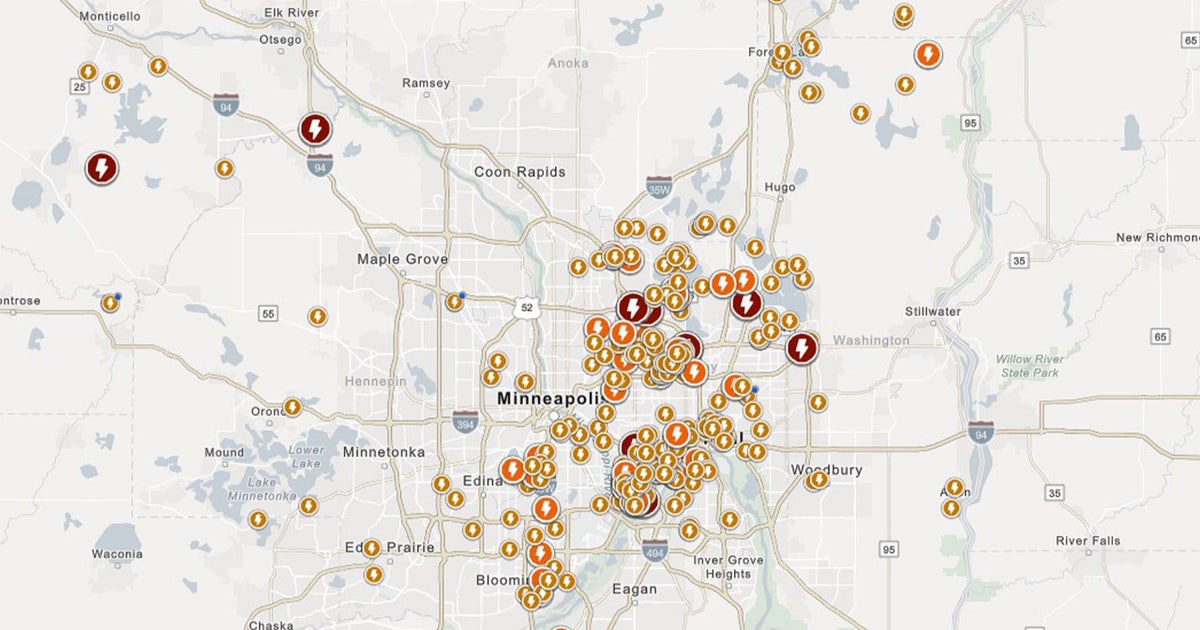
Severe thunderstorms have caused extensive power outages affecting over 52,000 Xcel Energy customers across Minnesota. The widespread impact, which began overnight and continued into Wednesday morning, underscores the significant challenges utility providers face in maintaining reliable service amidst increasingly volatile weather patterns.
As of early Wednesday morning, Xcel Energy’s outage tracker reported approximately 579 distinct incidents impacting a substantial customer base statewide. The company had activated its storm response protocols, anticipating the impact of severe weather systems forecasted to affect western, southern, and central Minnesota, as well as western Wisconsin.
Storm Response and Restoration Prioritization
Xcel Energy mobilized its crews in advance, positioning them to address anticipated outages. The company’s standard operational strategy prioritizes restoring power to the largest affected areas first, aiming to minimize the duration of service interruptions for the greatest number of customers. This approach balances immediate response needs with the complexities of widespread damage assessment and repair.
Infrastructure Strain and Extreme Weather Impact
The severe thunderstorms, characterized by wind gusts exceeding 60 mph, heavy rainfall, and lightning, directly impacted Xcel Energy’s distribution network. Such extreme conditions place considerable physical stress on overhead power lines, transformers, and supporting infrastructure, frequently leading to cascading failures that amplify the initial damage.
The sheer scale of the outages suggests that the storm’s intensity exceeded the immediate resilience capacity of the existing infrastructure. This highlights inherent vulnerabilities in utility networks, prompting critical evaluations of current resilience standards in the face of escalating climate change impacts.
Customer Impact and Communication Channels
The immediate consequence for over 52,000 customers is the loss of essential services, affecting both residential and commercial operations. Xcel Energy’s digital platforms, including its website and outage map, serve as primary channels for customers to report outages and monitor restoration progress, a standard but tested communication strategy during large-scale events.
Industry-Wide Challenges and Future Investment Imperatives
This event reflects a broader trend within the energy sector, where extreme weather poses an escalating threat to grid stability. Utilities nationwide are grappling with the necessity of modernizing aging infrastructure while simultaneously adapting to a changing climate. This dual challenge necessitates substantial capital investment in grid modernization, undergrounding initiatives, and advanced weather forecasting integration to enhance resilience.
The economic ramifications extend beyond direct repair costs to include indirect losses from business interruptions and reduced productivity. These factors drive a strategic re-evaluation of long-term investment priorities, compelling utilities to balance financial returns with the imperative of ensuring dependable energy delivery.
Regulatory Oversight and Performance Metrics
Widespread power disruptions inevitably trigger scrutiny from regulatory bodies responsible for utility oversight and consumer protection. State public utility commissions are expected to review Xcel Energy’s preparedness, response, and restoration efforts. Key performance metrics, such as the System Average Interruption Duration Index (SAIDI) and System Average Interruption Frequency Index (SAIFI), will be crucial in assessing the company’s performance against industry benchmarks.
Technological Advancement in Grid Resilience
Advanced technologies, including predictive analytics and smart grid capabilities, are becoming increasingly vital for mitigating the impact of severe weather. Predictive analytics leverage sophisticated weather modeling and grid sensor data for earlier warnings and precise identification of vulnerable network segments, enabling proactive measures. Smart grid technologies, such as automated switching and self-healing networks, can significantly reduce outage scope and duration, justifying substantial upfront investments for long-term reliability improvements.
Capital Allocation and Stakeholder Confidence
The financial implications for Xcel Energy involve careful capital allocation to address grid resilience needs. The company must balance these necessary infrastructure investments with its financial obligations and shareholder expectations. Demonstrating a clear, effective, and financially sound plan for enhancing resilience is crucial for maintaining investor confidence and competitive positioning.
Community Impact and Public Perception
Beyond operational and financial metrics, widespread outages profoundly affect community resilience and public perception. The ability of communities, particularly vulnerable populations, to function during extended blackouts highlights the critical dependency on reliable energy infrastructure. Xcel Energy’s crisis communication, transparency, and demonstrable commitment to future reliability improvements are paramount for preserving public trust and customer relationships.
The Evolving Paradigm of Energy Infrastructure
The recurring nature of severe weather events necessitates a fundamental shift in energy infrastructure design and operation. The traditional model, built for stability, is increasingly challenged by climate unpredictability, driving the industry toward a more adaptive and robust paradigm. This ongoing transformation involves not only physical upgrades but also a re-evaluation of business models and regulatory frameworks to define reliable energy service in the 21st century.