Operational Vulnerabilities in High-Stakes Relief
The Los Angeles Dodgers’ 13-5 defeat by the Angels, despite the Dodgers’ season-long superiority in the Freeway Series, revealed structural fissures in a bullpen often cited for its reliability. By surrendering 11 runs, the relief corps demonstrated that even high-performing units remain susceptible to cascading failure when early-game tactical plans are disrupted.
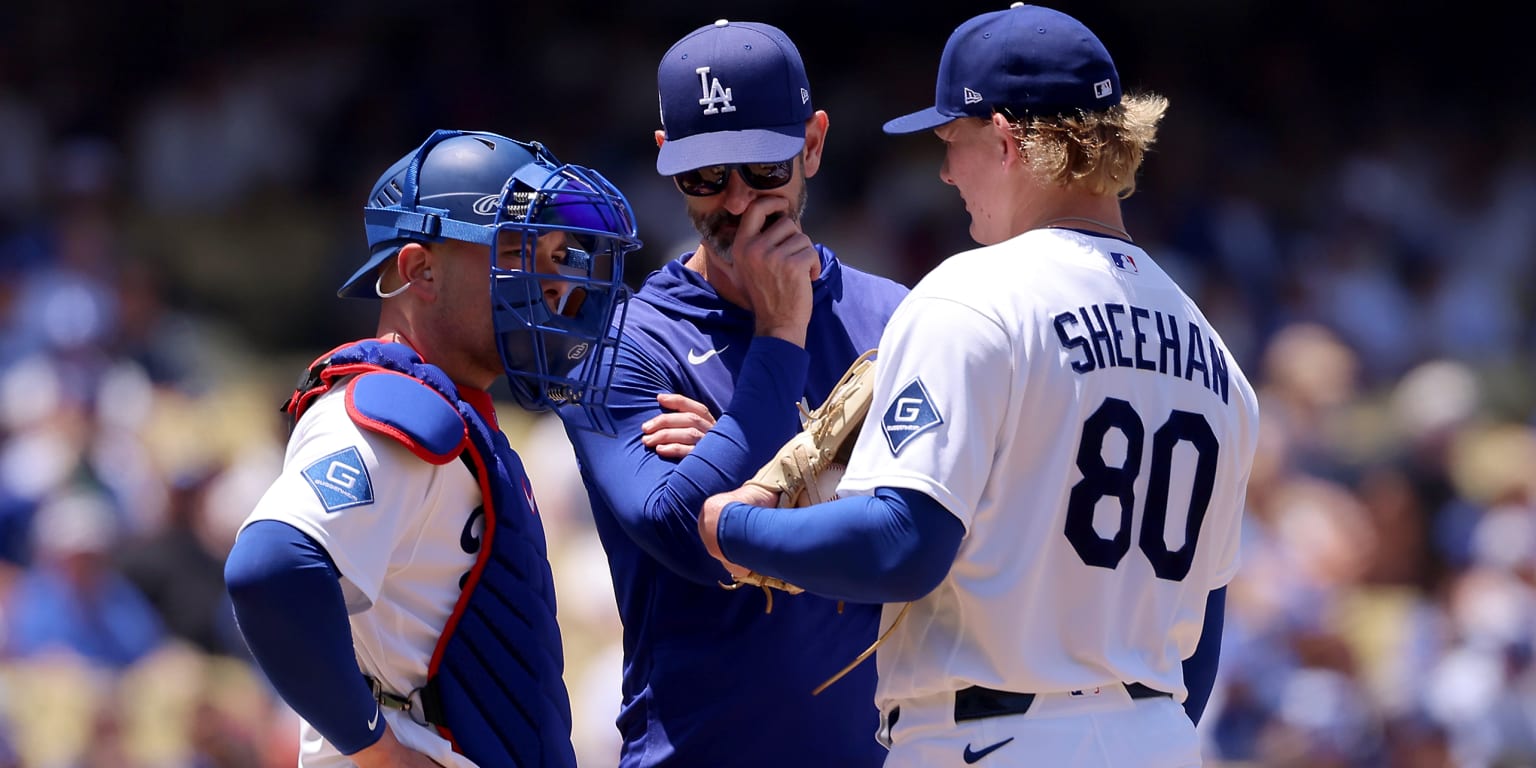
The premature exit of Emmet Sheehan after 49 pitches in just the second inning shifted an untenable burden onto the relievers. Managing 23 outs requires precise bullpen orchestration; when an opening pitcher fails to provide length, it forces managers to deploy low-leverage arms in high-pressure situations, often depleting a roster’s most critical assets for subsequent contests.
The Cascading Effect of Plate Discipline
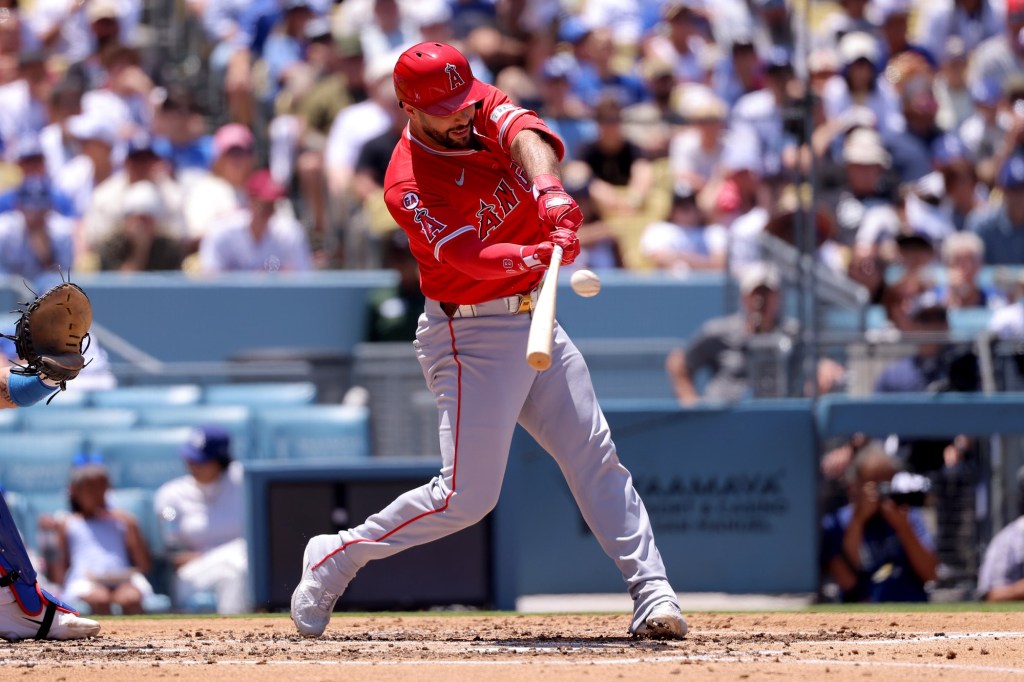
Nick Madrigal’s 14-pitch at-bat served as a catalyst for the Dodgers’ pitching collapse. By extending at-bats, the Angels successfully inflated pitch counts, forcing Sheehan’s early exit and disrupting the Dodgers’ predetermined relief schedule. This sequence illustrates how high-leverage offensive outcomes are frequently the product of incremental plate discipline, which directly influences managerial decision-making and personnel deployment.
From an asset management perspective, this breakdown invites scrutiny of front-office investment strategies. If capital is heavily concentrated in high-leverage relief, collective failures of this scale necessitate a re-evaluation of roster construction models that prioritize specialization over multi-inning flexibility.
Tactical Anomaly: The Bottom-Order Surge
The Angels’ offense—powered by the bottom of the order (Adell, Madrigal, Siri, and Rivero)—challenged traditional lineup construction. Accumulating 13 hits and 10 RBIs, these players exploited a shift in competitive dynamics, proving that offensive leverage can be generated by depth rather than solely by top-of-the-order talent.
Sebastián Rivero’s breakout performance, yielding five hits and six RBIs, acts as a statistical outlier. While such performances do not necessarily indicate a permanent change in a player’s valuation, they complicate scouting metrics. For front offices, the challenge lies in distinguishing between transient situational effectiveness and latent potential, a process that requires nuanced data sets to avoid over-correcting team rosters based on individual anomalies.
Institutional Resilience and Strategic Adaptation
Despite the loss, the Dodgers’ 5-1 series advantage remains a testament to their organizational depth. However, the game highlights the psychological component of rivalries, where a decisive victory for an underdog serves to reset locker-room narratives and fan engagement expectations. Professional baseball is as much a game of psychological momentum as it is of raw performance data.
Ultimately, both organizations will use this game as a diagnostic tool. The Dodgers will scrutinize their pitch sequencing and internal resilience, while the Angels will investigate the replicability of their unconventional offensive approach. As the season progresses, the ability to turn these data-driven insights into actionable strategy—balancing physical endurance with psychological fortitude—will remain the defining differentiator between championship-caliber clubs and those struggling for consistency.