Distribution Architecture and Platform Windowing
The broadcast of the Tracker Season 3 finale, “The Best Ones,” on CBS demonstrates a sophisticated orchestration of linear scheduling and digital windowing designed to maximize audience yield. Positioned in the highly competitive Sunday 9:00–10:00 PM ET/PT anchor slot, the episode serves as a high-exposure node in the network’s prime-time portfolio. By scheduling this narrative climax at the traditional season’s end, CBS captures peak real-time viewership while establishing downstream ratings momentum.
The distribution of the finale leverages a dual-monetization model optimized for Paramount Global’s ecosystem. While linear broadcast captures immediate mass-market ad revenue, the streaming release strategy on Paramount+ is tier-segmented. Premium tier subscribers receive immediate, ad-free live and on-demand access, whereas Essential tier subscribers are funneled through next-day ad-supported delayed viewing. This distinct windowing architecture acts as a funnel for subscriber acquisition and ARPU (Average Revenue Per User) optimization, converting casual linear viewers into recurring digital subscribers.
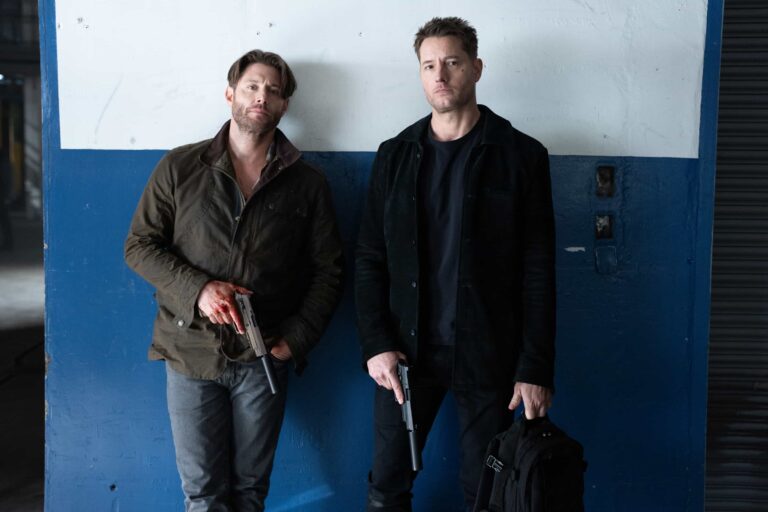
Additionally, the strategic integration of recurring guest star Jensen Ackles as Russell Shaw functions as a high-value talent acquisition play. Leveraging Ackles’ established genre fanbase creates cross-promotional network effects, drawing viewers from legacy drama ecosystems into the Tracker footprint. This casting strategy elevates the immediate live ratings potential of the finale while simultaneously bolstering the long-term value of the series in syndication and international licensing markets.
Narrative Scaffolding: Procedural to Serialized Transition
Written by Elwood, the season finale marks a calculated structural pivot from localized, episodic “problem-of-the-week” tracking to an expansive, highly serialized conspiracy. The core plot revolves around the resolution of an investigation into the Chrono Stasis project—a covert research initiative targeting gifted children. This thematic shift raises the narrative stakes, transforming the protagonist’s operational framework from simple humanitarian rescue to a systemic conflict with institutional corruption.
The narrative structure employs a multi-tiered resolution that dismantles immediate threats while systematically expanding the show’s underlying mythology. By linking the Chrono Stasis program to Colter’s deceased father, Ashton Shaw, the narrative retroactively reframes prior episodic events. What previously appeared to be localized familial trauma is recontextualized as collateral damage from an ongoing confrontation with a highly organized corporate-state adversary.
By integrating elements of corporate malfeasance and covert research, the series adopts classic conspiratorial archetypes that offer long-term narrative utility. This structural framework provides a sustainable narrative engine, ensuring that Colter Shaw’s hyper-specialized skillset remains tethered to a larger, overarching mission. Moving beyond isolated search-and-rescue operations prepares the franchise for a more complex, multi-season narrative trajectory.
The Ashton Shaw Legacy and DARPA-Funded USAPs
At the center of the finale’s mythology is the revelation that Ashton Shaw discovered a covert program funded by the Defense Advanced Research Projects Agency (DARPA), operating as an Unacknowledged Special Access Program (USAP). His attempts to blow the whistle on this illicit exploitation of gifted children triggered a coordinated institutional campaign to discredit and neutralize him, culminating in his psychological ruin and eventual death.
This revelation serves key structural functions. First, it validates the historical paranoia of the Shaw family, transforming their fractured dynamic from a clinical pathology into a rational survival response to systemic persecution. Second, it shifts the deceased patriarch’s role from a highly flawed, erratic father figure to a tragic whistleblower who compromised his own safety to protect institutional test subjects.
The institutional scale of a DARPA-funded adversary introduces an asymmetric conflict dynamic that will likely govern the series’ long-term trajectory. Colter’s lean operational model—relying on localized networks, mobile survivalism, and off-the-grid tactics—is placed in direct opposition to a highly funded, technologically superior state apparatus. This structural imbalance generates sustainable dramatic tension, as Colter must navigate environments where traditional legal recourse and corporate accountability are compromised.
Operational Logistics of the Night Movers Network
To resolve the immediate crisis without relying on compromised state law enforcement, the narrative reintroduces the “Night Movers” network—an underground relocation infrastructure established in Season 2, Episode 8. Managed by Colter’s trusted partner, Barbie (Freda Foh Shen), this decentralized logistical resource facilitates the off-the-grid extraction and relocation of key witnesses and victims, including test subjects Danny and Lola, and whistleblowers Dr. Serena Jukic and Paul.
The deployment of the Night Movers network underscores the practical logistics of operating within a compromised system. By bypassing official channels, the protagonists guarantee witness safety and preserve operational security. This reliance on alternative, non-governmental networks highlights a key thematic element of the series: the necessity of informal, community-based systems when institutional safeguards fail.
From a screenwriting perspective, the Night Movers network operates as a critical narrative release valve. It allows the writers to safely exit vulnerable secondary characters from the active plot, successfully concluding episodic safety-seeking arcs while keeping these assets available for future narrative deployment. This prevents the core cast from being bogged down by long-term witness protection logistics, maintaining the series’ procedural mobility.
Tactical Divergence: Defensive Preservation vs. Direct Action
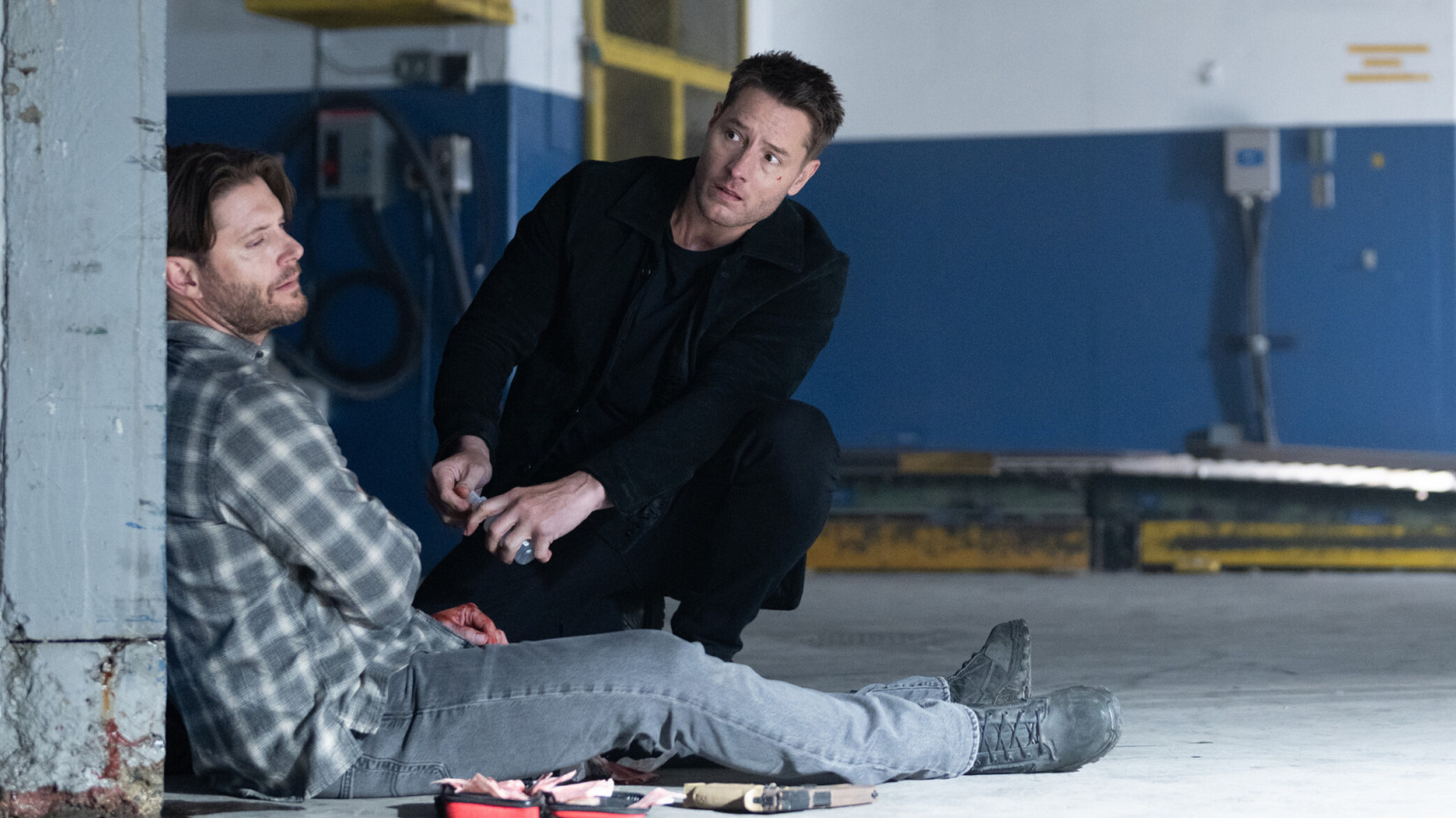
The climax of the finale highlights a stark ideological and tactical split between the Shaw brothers, establishing contrasting operational philosophies. While Colter Shaw manages the defensive, humanitarian phase of the operation—securing the victims’ escape via the Night Movers—Russell Shaw adopts an aggressive, offensive posture. Russell’s tactical directive is clear: neutralize the threat at its source to prevent future retaliation.
This division of labor reflects their distinct professional backgrounds and character archetypes. Colter, the professional tracker, prioritizes preservation, threat mitigation, and systemic evidence gathering. Russell, operating with a military or black-ops methodology, favors kinetic direct action, recognizing that defensive extraction is insufficient against an adversary with infinite institutional reach.
Having Russell pursue the architect of the USAP while Colter manages the relocation creates a parallel narrative structure. However, the exact outcome of Russell’s offensive mission is left open-ended, noting only his departure to neutralize the target. This deliberate ambiguity sustains narrative tension, leaving the target’s status unresolved to accommodate cast availability and production scheduling in Season 4.
The Season 4 Reset and the Narrative Withholding Pattern
The conclusion of the Season 3 finale functions as a narrative reset, closing the immediate Chrono Stasis chapter while introducing a profound psychological mystery. Upon his departure, Russell chooses to withhold a critical secret regarding their father’s past. Specifically, Russell possesses information about what Ashton Shaw may have done directly to Colter during his childhood, leaving the protagonist unaware of his own history.
This narrative withholding pattern is a structural device engineered to drive viewer retention across the seasonal hiatus. By shifting the focus from an external corporate-state conspiracy back to intimate, psychological family drama, the show recalibrates its emotional stakes. This transition ensures that despite the resolution of the immediate external threat, Colter’s core driving force—the pursuit of personal truth—remains uncompromised.
The implication that Colter may have been subjected to specific conditioning by his father adds psychological depth to his character. It challenges his self-conception, suggesting his elite tracking skills might be the result of deliberate, potentially unethical childhood training. This unresolved tension guarantees that Season 4 will balance high-stakes procedural cases with deep internal deconstruction.
Macroeconomic and Platform Implications for Paramount Global
The strategic execution of the Tracker Season 3 finale has significant financial implications for CBS and the broader Paramount Global ecosystem. As one of the network’s top-performing linear dramas, Tracker acts as a crucial anchor for both upfront advertising commitments and streaming engagement metrics. Managing its seasonal transitions effectively is essential for maintaining market share against competing linear and SVOD offerings.
The deployment of a high-stakes cliffhanger featuring a major guest star like Jensen Ackles is a proven tactic to mitigate subscriber churn during the summer broadcast hiatus. By leaving critical narrative threads unresolved—most notably the personal secret regarding Colter’s childhood—the network incentivizes viewers to remain subscribed to Paramount+ to access library episodes and exclusive promotional content during the off-season. This sustaining engagement is vital for stabilizing subscription revenues in a highly competitive digital marketplace.
Ultimately, the Season 3 finale of Tracker illustrates the integration of narrative design, casting strategy, and platform-level distribution. By balancing immediate episodic resolution with the systematic expansion of an overarching mythology, the series establishes itself as a highly resilient, multi-season television asset. As the media landscape continues its structural shift, high-value, hybrid procedural-serialized assets like Tracker remain central to the economic viability of traditional broadcast networks and their streaming counterpart platforms.