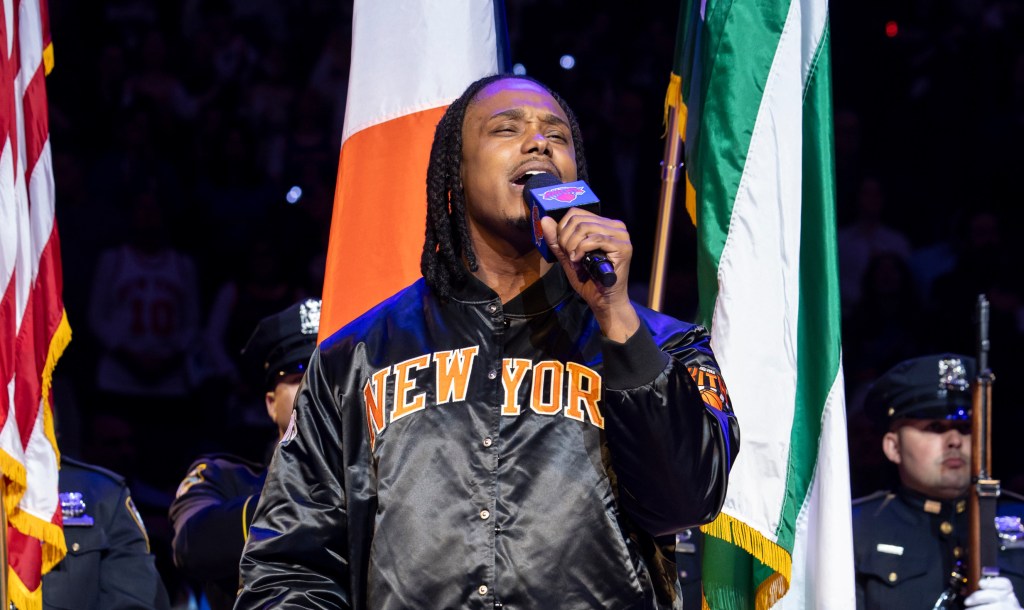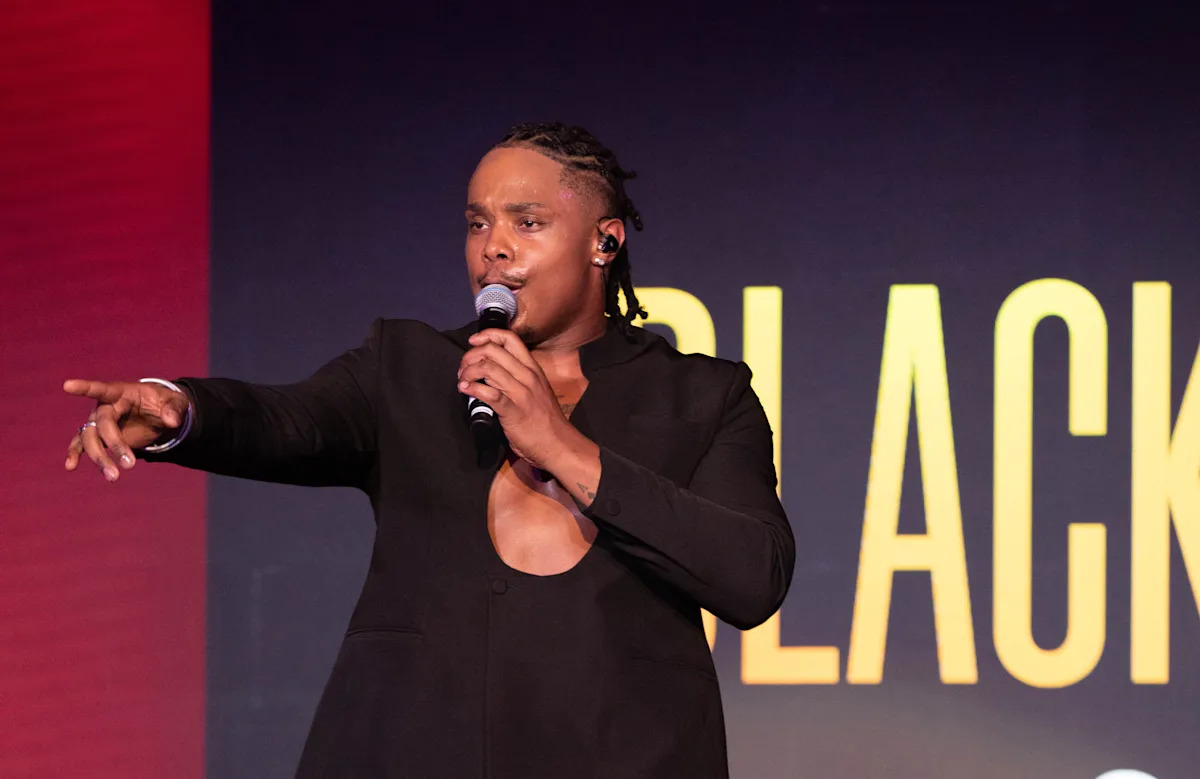
The operational framework governing pre-game rituals at Madison Square Garden (MSG) has undergone a significant strategic pivot during the current postseason. Traditionally, the New York Knicks have utilized a rotating roster of vocalists—a logistical model designed to showcase diverse talent and mitigate scheduling volatility. However, the emergence of Avery Wilson as a fixed presence marks a departure from this institutional norm, driven by a compelling statistical correlation between his performances and team success.
Institutional Deviation from Rotational Norms
The decision to retain Wilson throughout the playoff trajectory reflects a recalibration of how MSG Sports manages the psychological and atmospheric variables of home-court advantage. While the organization typically avoids the fixed-singer model utilized by the New York Rangers, Knicks leadership has prioritized the environmental equilibrium associated with Wilson’s appearances. This adjustment suggests that institutional decision-makers are increasingly willing to sacrifice variety for the sake of maintaining a high-performance atmosphere that has coincided with a perfect 6-0 home record.
The Synergy of Broadway Pedigree and Brand Equity
Wilson’s background as a Grammy-nominated Broadway actor provides a level of professional pedigree that aligns with the high-stakes environment of the NBA playoffs. His role in Broadway’s “The Wiz” establishes a cultural bridge between New York’s theatrical and athletic sectors, enhancing the overall brand equity of the MSG experience. For the organization, leveraging a performer of Wilson’s caliber ensures that the pre-game ceremony functions as a high-value production rather than a mere procedural requirement. This tactical use of live performance primes the audience, triggering an endorphin-driven energy loop that sets a hostile tone for visiting opponents.
Performance Leverage and the ‘Good Luck’ Variable
The colloquial label of “good luck charm” has evolved into a powerful psychological anchor for both the fan base and internal stakeholders. From a management perspective, this creates a unique form of performance leverage where the vocalist becomes an integral component of the home-court advantage. The Knicks’ solitary home loss occurred during Wilson’s only absence due to a scheduling conflict—a data point that has solidified internal belief in his atmospheric influence. This phenomenon highlights a pragmatic approach to sports management where unconventional indicators begin to influence operational scheduling and talent procurement.
Operational Risks in a Fixed-Singer Model
Transitioning from a rotating to a fixed model introduces specific operational risks, primarily regarding talent availability. Wilson’s professional commitments in the music and theater industries often overlap with the NBA’s fluid playoff schedule. Navigating these conflicts requires high-level coordination between Wilson’s management and MSG Sports executives. The organization’s commitment to resolving these hurdles underscores the high value placed on his contribution to the playoff momentum, contrasting the flexibility of the traditional model with the perceived benefits of consistency.
Conclusion: Optimizing Intangible Assets
The 2026 playoff run serves as a case study in recognizing and leveraging intangible assets. The elevation of Avery Wilson from a one-off engagement to a strategic fixture represents a masterclass in atmospheric optimization. As the Knicks pursue a championship, the management of pre-game rituals remains a critical focus, potentially signaling a permanent shift in how MSG Sports approaches the national anthem as a tool for competitive advantage.