The 2026 entertainment landscape is defined by a strategic bifurcation: franchise titans like Marvel Studios are adopting high-velocity production models to secure market share, while independent players like Cineverse are optimizing VOD (Video on Demand) pipelines for niche profitability. This divergence underscores a fundamental shift in how intellectual property (IP) is scaled and distributed in a saturated digital economy.
Marvel Studios: Operational Velocity and Risk Mitigation
Marvel Studios’ 2026 slate reveals a transition toward aggressive, overlapping production cycles. The premiere of Daredevil: Born Again Season 2 serves as a tactical anchor for the year. Significantly, Marvel has already greenlit and entered active production for Season 3 before the second season concludes its broadcast window. This ‘stacking’ model aims to minimize the gap between releases, effectively mitigating subscriber churn on Disney+ and hedging against the escalating costs of talent retention.
This operational speed is synchronized with narrative cross-pollination. The Daredevil finale is strategically positioned to serve as a marketing lead-in for the Spider-Man: Brand New Day Dolby Event, demonstrating a sophisticated synergy between serialized television and high-stakes theatrical exhibitions.
The PLF Priority: The Spider-Man Dolby Event
The Spider-Man: Brand New Day Dolby Event marks a pivot toward experiential cinema. By branding this release as a ‘Dolby Event,’ Marvel emphasizes Premium Large Format (PLF) exclusivity as a defense against the convenience of home streaming. This strategy leverages superior audio-visual fidelity to justify the theatrical price point, transforming a traditional film release into a cultural milestone. The ‘Brand New Day’ subtitle further suggests a narrative reset designed to revitalize the IP’s commercial longevity.
Cineverse and the Talent-Discovery Paradox in VOD
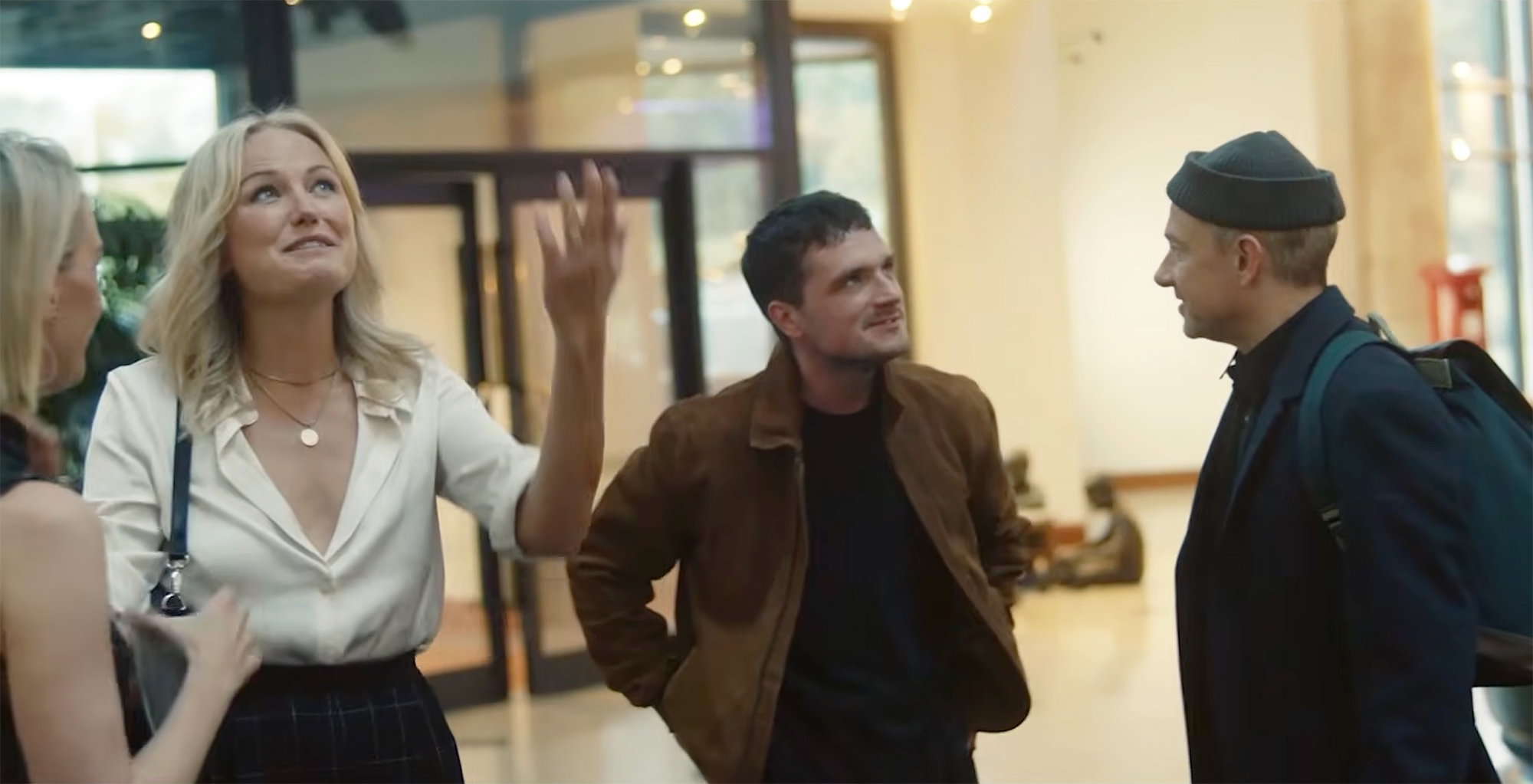
In contrast to the theatrical-first mandate of blockbusters, Cineverse is navigating the mid-budget crisis by pivoting titles like Let’s Love directly to VOD. Despite a cast featuring Martin Freeman, Malin Akerman, and Josh Hutcherson, the film bypasses the traditional theatrical window—a move that reflects the prohibitive marketing costs of a wide release for non-franchise comedies. Instead, Cineverse utilizes recognizable talent to drive algorithmic visibility on digital platforms, treating stars as ‘discovery beacons’ in the VOD marketplace.
Meta-Narratives and the Globalized Production Frontier
Directed by Alex Billington, Let’s Love utilizes a meta-narrative framework to critique the volatility of the celebrity convention circuit. Filmed in Wales to take advantage of regional tax incentives and unique topographical aesthetics, the project exemplifies the globalization of independent production. This approach allows creators to maintain high production values while operating within the lean financial constraints of a digital-first distribution model.
The Financialization of Entertainment Journalism
The role of entertainment journalism has evolved from mere reporting to a critical component of the content lifecycle. High-volume coverage from editors like Adam Blevins on major titles—such as Avengers: Doomsday—highlights a growing audience appetite for financial literacy regarding box office performance and streaming metrics. Modern consumers are no longer just passive viewers; they are active analysts of the strategic and economic forces that dictate content availability.
Conclusion: The 2026 Market Synthesis
As 2026 unfolds, the industry is settling into a tiered hierarchy. Marvel Studios is doubling down on technical ‘eventization’ and rapid-fire production to maintain cultural dominance. Concurrently, independent distributors are refining the economics of direct-to-digital releases, using meta-narratives and global production incentives to remain viable. The success of these divergent paths will determine the future of cinematic diversity and the sustainability of high-frequency streaming models.