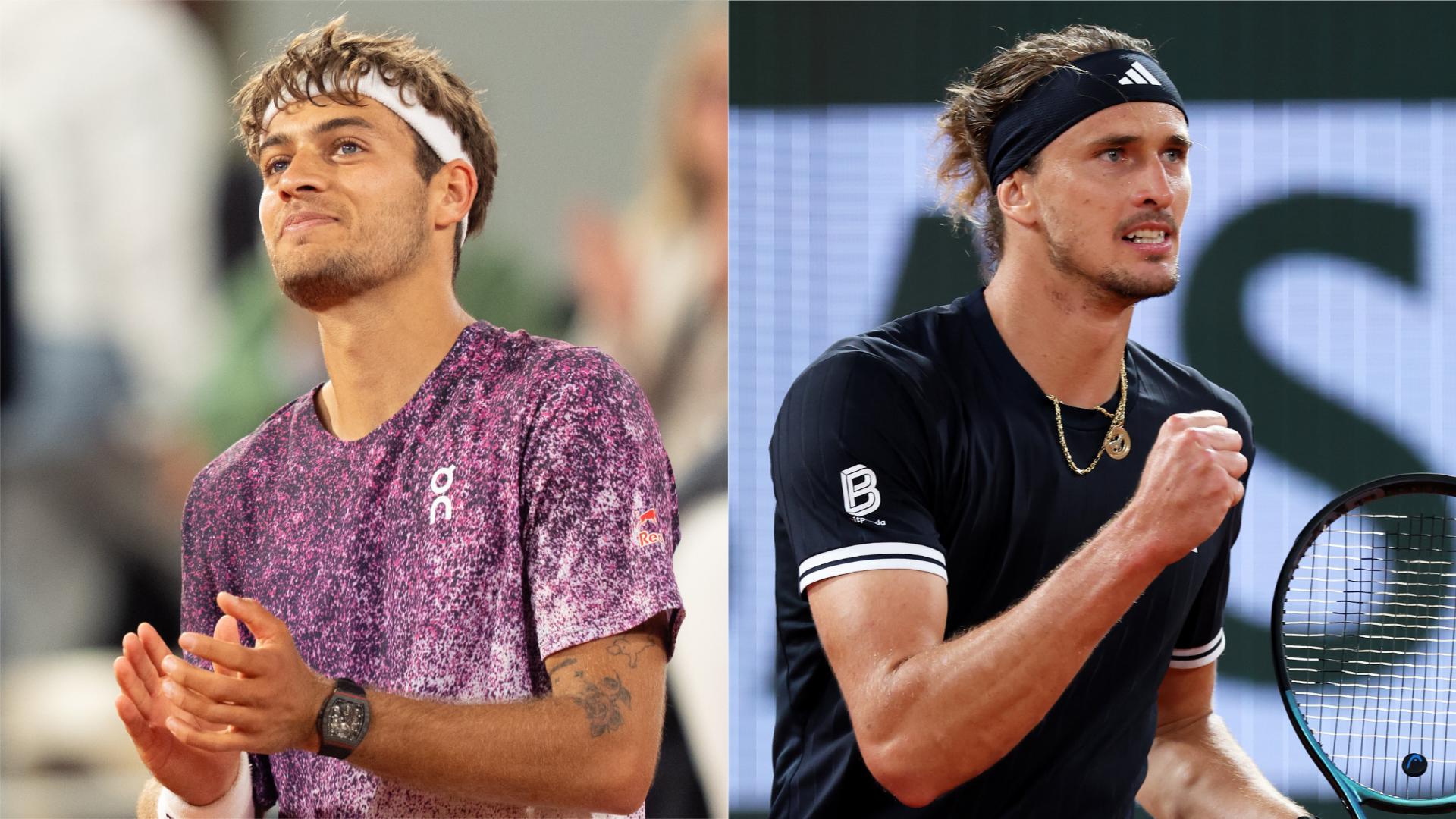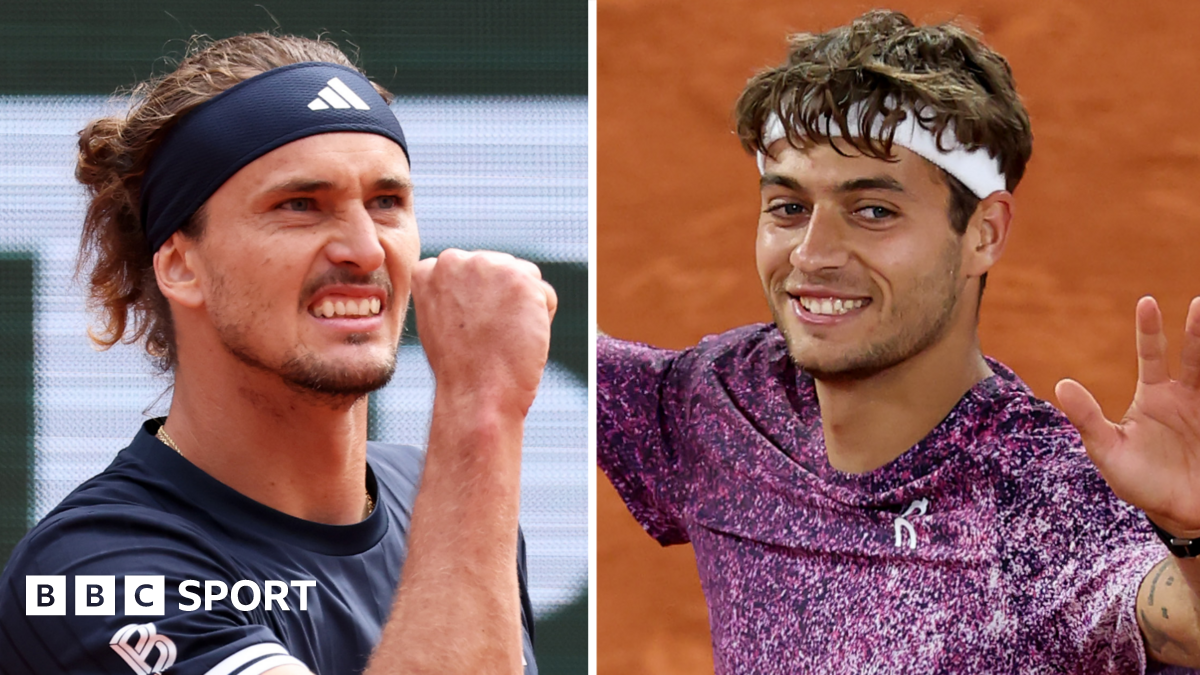
Friendship Meets Ambition: Zverev and Cobolli Set for French Open Final Showdown
The 2026 French Open men’s singles final pits two close friends, Alexander Zverev and Flavio Cobolli, against each other in a high-stakes encounter. As the second and tenth seeds respectively, both players are on the verge of capturing their first Grand Slam title, presenting a unique psychological challenge where personal bonds meet elite athletic ambition on the clay courts of Roland Garros.
This final highlights a contemporary trend in professional tennis: deep camaraderie coexisting with fierce competition. Zverev and Cobolli’s shared history, including bonding at the 2024 Laver Cup and frequent discussions about the sport, has fostered mutual respect that will be rigorously tested.
Clay-Court Strategies and Journeys
This marks their third clay-court clash of the season, indicating a developing rivalry on the surface. Cobolli’s Munich victory and Zverev’s Madrid triumph demonstrate their closely matched competitive history, suggesting their familiarity will significantly shape the final’s dynamics.
Zverev, a seasoned Grand Slam contender with multiple semi-final appearances, brings invaluable experience and a strategic understanding of high-pressure environments. Cobolli, a rising talent, has reached his maiden Grand Slam final, notably securing a spot via a semi-final walkover due to his opponent’s illness. His established Top 15 ranking affirms his genuine championship contention.
The Psychology of a Friendly Final
The unique emotional landscape of two friends competing for the sport’s ultimate prize is central to this final. Both Zverev and Cobolli have emphasized their commitment to compartmentalizing their personal relationship from the immediate competitive demands, showcasing professional maturity.
Zverev’s past role as a source of advice for Cobolli has evolved into a peer-to-peer friendship, adding a complex layer to their on-court dynamic. The involvement of their fathers as coaches further deepens the interwoven nature of their personal and professional lives, adding another dimension to this unique showdown.
Legacy and Grand Slam Aspirations
For both Zverev and Cobolli, this final represents a career-defining moment. Winning the Coupe des Mousquetaires at Roland Garros offers a chance to etch their names into tennis history, joining an elite pantheon of champions on one of the sport’s most prestigious stages.
As the second seed, Zverev aims to fulfill long-held expectations and solidify his status as a major force. Cobolli’s breakthrough performance signifies a dramatic ascent, challenging established hierarchies and potentially reshaping his career trajectory.
Operational Dynamics and Tactical Battles
The players’ extensive familiarity with each other’s games, honed through recent matches and practice, will heavily influence on-court strategy. Zverev’s final experience may offer a psychological edge, while Cobolli’s recent form and aggressive style present a potent challenge.
The tactical battle will revolve around managing the immense pressure of a Grand Slam final, capitalizing on momentum shifts, and executing game plans under intense scrutiny. Mental fortitude will be paramount in overcoming a friend while striving for a career-defining victory.
Market Impact and Narrative Appeal
The outcome has significant implications for ATP rankings, endorsement potential, and the broader narrative of emerging talent in men’s tennis. A maiden Grand Slam title for either player would dramatically elevate their marketability and strategic positioning within the sport.
Organizers and sponsors are leveraging this compelling storyline of friendship and rivalry to enhance fan engagement and media attention, attracting a wider audience through its relatable human element.
Performance Leverage and Future Trajectories
The stakes are immense, with a Grand Slam title serving as a career milestone capable of redefining a legacy. For Zverev, it’s an opportunity to achieve a career-defining victory and confirm his elite status. For Cobolli, a win would signal a monumental arrival, challenging the established order and opening new career avenues.
Strategic decisions and emotional resilience will be critical, requiring a nuanced approach that balances aggression with composure, and leverages individual strengths effectively under unique pressure.
Cultural and Generational Shifts
The Zverev-Cobolli bond reflects a broader cultural shift in sports, where athletes openly acknowledge personal relationships. This generation’s ability to foster camaraderie off-court while maintaining intense professional focus offers a new model of sportsmanship, challenging traditional rivalry perceptions.
This dynamic suggests that mutual respect and personal connection can indeed coexist with fierce competition, providing a relatable and engaging narrative for fans by humanizing elite athletes.
Media Engagement and Fan Interaction
The media narrative is rich with the emotional complexity of friends competing for a championship, designed to resonate broadly. The contrast between the intense pressure of a Grand Slam final and the genuine affection between the players creates a powerful human interest angle, engaging viewers and generating broader interest.
The active online community engagement, as indicated by sources referencing discussion tabs, highlights the role of digital platforms in amplifying these narratives and fostering fan interaction.
Historical Context and Future Implications
While direct precedents of close friends reaching a Grand Slam final are rare, the theme of navigating personal relationships within elite competition is a recurring motif in sports history. Zverev and Cobolli’s approach to this unique situation will undoubtedly influence future generations.
The legacy of this final will be shaped not only by the victor but also by the narrative they collectively craft, offering insights into the evolving nature of professional sports psychology and the critical importance of mental fortitude.