
The Persistence of the Madison Square Garden Ban
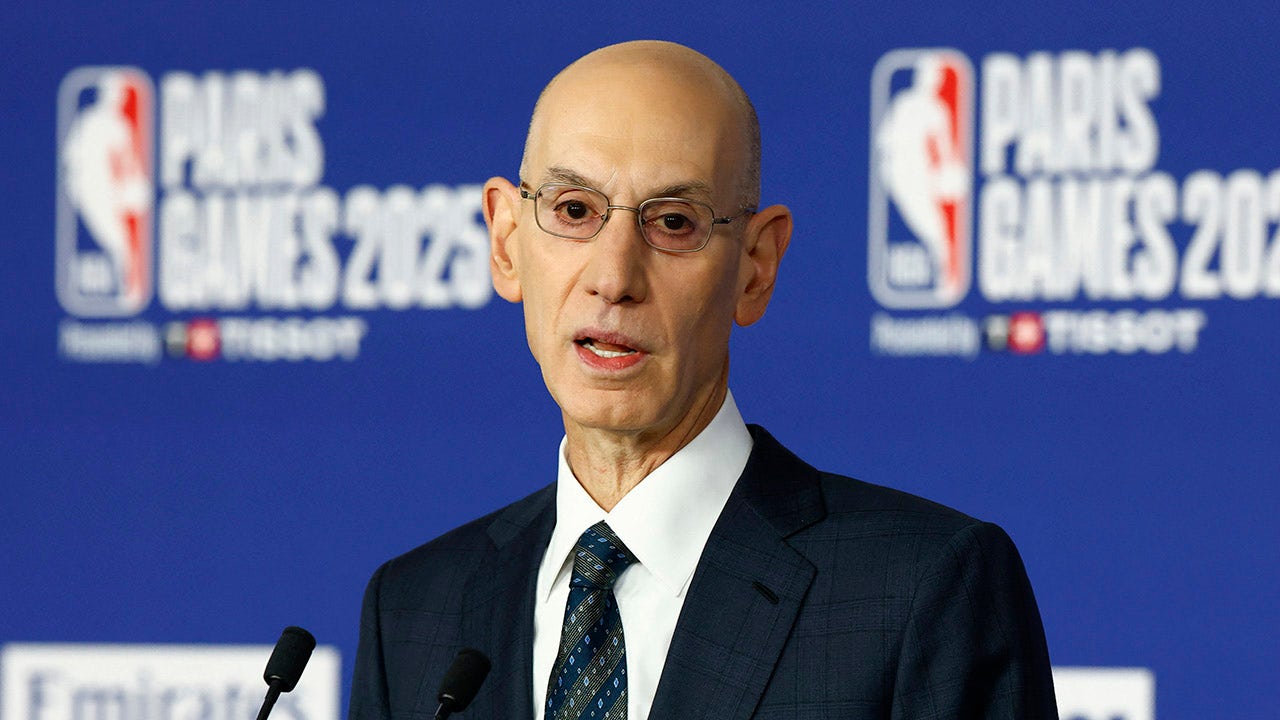
The exclusion of former New York Knicks forward Charles Oakley from Madison Square Garden remains a central point of institutional friction. Despite the franchise’s recent on-court resurgence, owner James Dolan has maintained a rigid stance regarding the ban, which originated from an altercation in February 2017. This event, resulting in Oakley’s public removal, catalyzed a lasting organizational rift that high-level interventions by NBA Commissioner Adam Silver and Charlotte Hornets owner Michael Jordan have failed to reconcile.
The Limits of League-Level Mediation
The failure of both the Commissioner and a figure of Michael Jordan’s stature to facilitate a resolution underscores the structural constraints of the NBA’s authority over individual team owners. While the league office maintains centralized power regarding competitive integrity and collective bargaining, the management of private venue access remains the prerogative of ownership. Silver’s public admission of these failed efforts highlights the dichotomy between the NBA’s brand-wide governance and the administrative autonomy of independent franchise owners.
Legal and Institutional Barriers
The conflict has transitioned from personal dispute to a fixture of organizational culture, further complicated by legal entanglements that discourage reconciliation. Litigation imposes structural constraints, forcing stakeholders into defensive positions that preclude informal mediation. For the NBA, this creates a recurring reputational challenge, particularly as the feud maintains visibility during major events, forcing the league to navigate the optics of a public standoff between a franchise owner and a respected former player.
Strategic Governance and Ownership Prerogatives
Dolan’s insistence on maintaining the ban reflects a specific strategy of organizational control. In professional sports, where owner authority within private venues is absolute, policies remain entrenched unless there is a clear strategic imperative for reversal. The longevity of this ban suggests that the Knicks’ internal logic prioritizes the assertion of institutional control over the potential reputational benefits of a public mending of ties, highlighting the friction between league-level brand strategy and individual ownership prerogatives.
Stakeholder Dynamics and Soft Power
Oakley’s status as a fan favorite presents a unique branding challenge for the organization, yet the owner’s entrenched position appears to supersede historical sentiment. The failed involvement of Michael Jordan—a peer of Oakley with significant institutional capital—confirms that the power dynamics governing MSG are resistant to traditional diplomatic overtures. This case serves as a definitive study on the limits of ‘soft power’ within the professional sports model: even when the Commissioner advocates for resolution, the ultimate control over stadium access remains firmly in the hands of the franchise owner.
Photo by admomediaoffice on Pixabay.