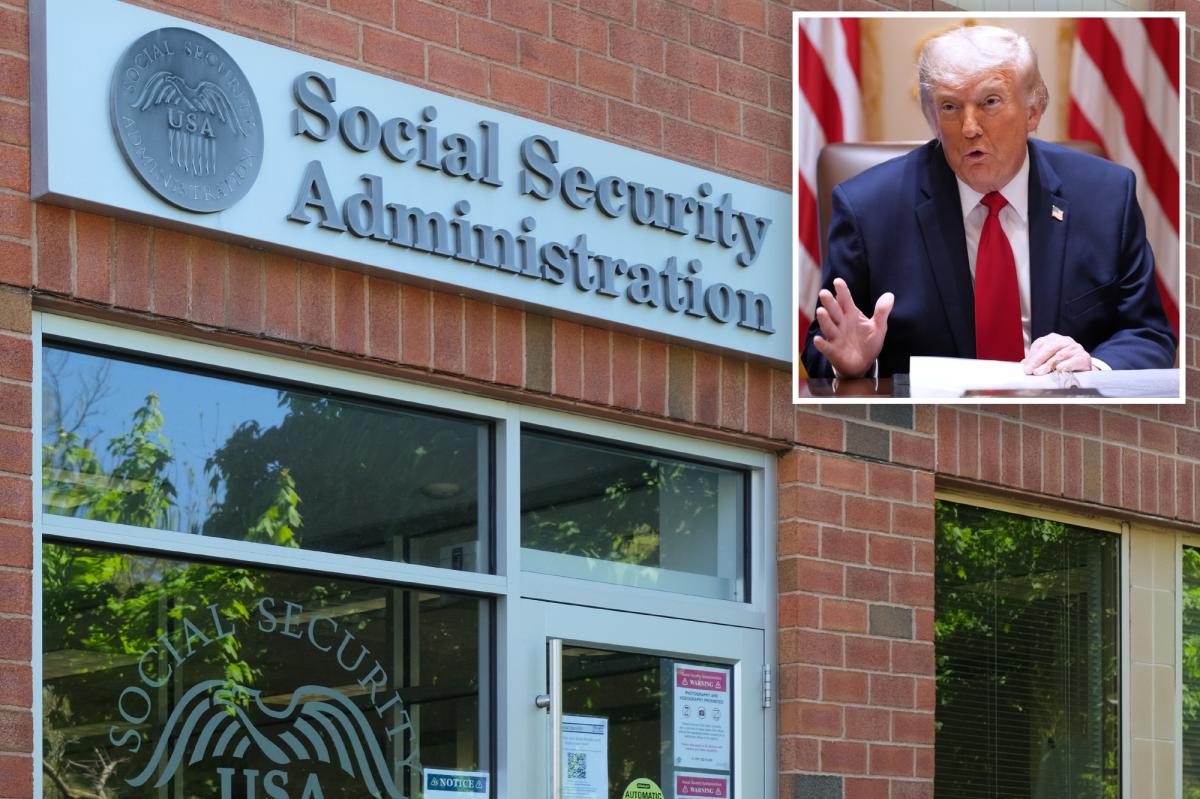
SSA Faces Service Degradation Following Substantial Staffing Cuts and AI Integration
The Social Security Administration (SSA) has undergone a drastic workforce reduction, with over 7,100 employees departing, representing a critical loss of approximately 13% of its total staff. This historic attrition coincides with administrative and policy shifts, including an increased reliance on artificial intelligence (AI) and digital platforms.
These significant staffing reductions have directly hampered the accessibility of disability benefits, a vital support system for millions. The diminished personnel has intensified pre-existing challenges in the claims process, leading to extended delays and increased complexity for individuals seeking essential financial assistance.
In response to these changes, the SSA has consolidated operations by closing six of its ten regional offices. While intended to centralize capacity, this move may reduce accessibility for certain populations, as the agency accelerates its transition towards online services and automated systems.
Furthermore, the SSA is increasingly utilizing AI and automation, particularly on its public phone lines. This technological pivot, aimed at improving efficiency, raises critical questions about the adequacy of support for complex disability claims that often necessitate nuanced human judgment and interaction.
The operational landscape for benefit applications has been marked by volatility, including policy reversals that have generated uncertainty. For instance, an announced cessation of phone applications for benefits in March 2025 was reversed the following month, illustrating a period of administrative flux.
Independent research from social work professors at California State University, Sacramento, Binghamton University, and the University of Wisconsin-Madison corroborates the growing difficulty in obtaining disability benefits. Their findings indicate a demonstrably harder process post-2025 administrative changes, building upon pre-existing challenges.
A key development impacting transparency occurred in June 2025 with the removal of critical customer service metrics, such as phone wait times and disability claim processing durations. This discontinuation obscures the agency’s operational performance and the direct impact of staffing cuts on service delivery.
The voluntary departures, largely through early retirement programs, occurred within a broader federal context of workforce reduction initiatives. The White House’s focus on streamlining government operations has had a pronounced effect on the SSA’s operational capacity.
A March report by the American Association of People with Disabilities and other organizations highlights the downstream consequences of these administrative changes. The report details prolonged delays, mounting confusion, and increased barriers for vulnerable beneficiaries, underscoring the human cost of these decisions.
The situation has prompted a bipartisan call for accountability from House Democrats, led by Ranking Member John B. Larson and Representative Mary Gay Scanlon, who are demanding answers from the SSA regarding the tangible impacts of staffing cuts on service quality and beneficiary access.
These representatives have stated that recent employee reassignments, ostensibly to manage call wait times, have inadvertently compromised essential services. This has reportedly led to processing delays and insufficient training for staff handling complex disability cases, increasing error rates and adjudication times.
Lawmakers are seeking detailed information on training protocols for reassigned employees, projected impacts on field office appointments, and caller satisfaction rates, alongside any internal SSA evaluations assessing the efficacy and consequences of these staffing adjustments.
The consolidation of regional offices and the push towards digital services represent a strategic pivot for modernizing operations and potentially reducing overhead. However, this transition risks disenfranchising individuals lacking consistent internet access or digital literacy, disproportionately affecting elderly and low-income populations.
The expanded use of AI and automated systems, while offering potential efficiency gains, introduces critical questions regarding the adjudication of complex disability claims. These claims often involve nuanced medical evidence and subjective assessments that may not be adequately captured or processed solely by algorithmic decision-making.
The retirement of key performance metrics creates an information vacuum, hindering external stakeholders’ ability to assess agency performance. This lack of data impedes efforts to identify systemic issues and advocate for necessary improvements in service delivery.
The voluntary nature of many employee exits, driven by buyouts and early retirement, suggests a strategic workforce management approach. However, the scale of these departures, coupled with the agency’s mission-critical function, raises concerns about the adequacy of succession planning and knowledge transfer mechanisms.
The American Association of People with Disabilities report underscores a critical vulnerability in the social safety net. When the agency responsible for administering essential benefits faces operational challenges, the most vulnerable segments of the population bear the brunt of the impact, potentially leading to increased financial hardship and health crises.
The legislative inquiry initiated by Representatives Larson and Scanlon signifies a recognition of systemic issues and underscores the importance of robust oversight for agencies managing vital public services during significant operational changes.
The assertion that employee reassignments have negatively impacted critical services points to a potential trade-off between addressing one bottleneck (phone wait times) and creating new ones, highlighting complex interdependencies within SSA’s operations that require careful management.
The request for training information for reassigned employees is crucial for assessing the agency’s capacity to maintain service quality. Inadequate training for sensitive cases could lead to increased errors, appeals, and a further erosion of public trust in SSA’s fair adjudication.
Projected effects on field office appointments directly indicate accessibility. Reduced appointments, due to staffing shortages or a shift away from in-person services, can create significant hurdles for individuals reliant on these interactions.
Caller satisfaction rates provide a direct measure of public perception. The removal of this metric suggests a potential reluctance to acknowledge declining satisfaction levels when performance is suboptimal.
SSA’s internal evaluations are critical for understanding its self-assessment. However, without public disclosure, it’s difficult to ascertain if the agency is proactively addressing identified problems or merely reacting to external pressure.
The broader implications of these staffing cuts extend to public trust in government institutions. Operational disruptions at an agency managing a fundamental social safety net program can foster cynicism and reduce confidence in the government’s ability to serve its citizens effectively.
The shift towards AI and online services, while a global trend, requires careful implementation to ensure equity and accessibility. Without robust safeguards and alternative channels, such transitions can inadvertently create new forms of exclusion, particularly for those less technologically adept.
The historical context of SSA operations reveals a consistent need for adequate staffing to manage a complex and increasing volume of claims. The current situation suggests a potential underestimation of the human capital required to maintain essential service levels during significant policy and technological shifts.
The competitive federal talent landscape also plays a role. Inability to attract and retain skilled personnel due to compensation, working conditions, or perceived job security can exacerbate staffing challenges and impact long-term service quality.
Large-scale workforce reductions have multifaceted financial implications. While immediate payroll savings might occur, they can be offset by increased long-term costs from backlogs, appeals, potential litigation, and the societal costs of delayed or denied benefits.
The strategic decision to close regional offices and centralize functions reflects an administrative philosophy prioritizing efficiency through scale. However, this must be balanced against maintaining localized access and responsiveness to diverse constituent needs.
The impact on the disability claims process directly affects the financial stability and well-being of individuals with severe health conditions. Delays can lead to depleted savings, increased reliance on emergency services, and health deterioration.
The legislative push for answers indicates potential for increased scrutiny and demand for remedial action. Congressional pressure can influence agency priorities and resource allocation, potentially leading to adjustments in staffing strategies and service delivery models.
The reliance on AI and automation necessitates a robust ethical framework and continuous human oversight. Ensuring these technologies augment, rather than replace, critical human judgment in complex adjudications is paramount for fairness and equity.
The long-term consequences of understaffing and eroding institutional knowledge could be profound. A sustained period of reduced capacity and reliance on less experienced staff or automated systems for complex tasks may degrade the agency’s core competencies and adaptability.
The current SSA situation serves as a case study on balancing administrative efficiency, technological adoption, and the mandate to provide essential social services. Documented impacts suggest the current trajectory may compromise the latter two in pursuit of the former.
Ongoing debate and legislative interest highlight the SSA’s critical role in the national social contract. Any perceived operational capacity erosion has direct implications for social cohesion and the economic security of a significant population segment.
The removal of performance metrics represents a departure from public accountability principles. Such transparency is essential for fostering public trust and enabling informed policy interventions when service delivery falters.
The cumulative effect of these changes points to a potential systemic risk within the social safety net. Beneficiary access to disability benefits is contingent upon SSA’s operational health, which current evidence suggests is compromised.
The strategic decision-making process leading to these cuts and shifts warrants further examination. Understanding the incentives and assumptions behind these choices is key to evaluating their long-term efficacy and impact on the agency’s mission.
Current SSA operational challenges underscore the importance of sustained, adequate funding and staffing for critical government functions. Short-term cost-saving measures can often lead to greater long-term societal and economic costs.
The ongoing reliance on AI and automation requires a clear strategy for human oversight and quality control. Without it, the risk of systemic errors or algorithmic biases could have far-reaching consequences for beneficiaries.
Legislative calls for accountability suggest potential future policy interventions to restore or enhance SSA’s operational capacity. The nature and scope of such interventions will likely depend on continued assessment of agency performance and its impact on beneficiaries.
The current state of affairs at the SSA presents a complex interplay of administrative policy, technological adoption, and human resource management. Documented consequences highlight the critical need for a holistic approach prioritizing both efficiency and the fundamental mission of serving vulnerable populations.