The Strategic Context of a Championship Finale
Arsenal approaches the season finale at Selhurst Park as confirmed champions, ending a 22-year domestic drought. This shift requires Mikel Arteta to balance ceremonial obligations with the logistical requirements of an impending Champions League final. The decision to rotate nine players reflects a calculated prioritization of squad health and resource allocation.
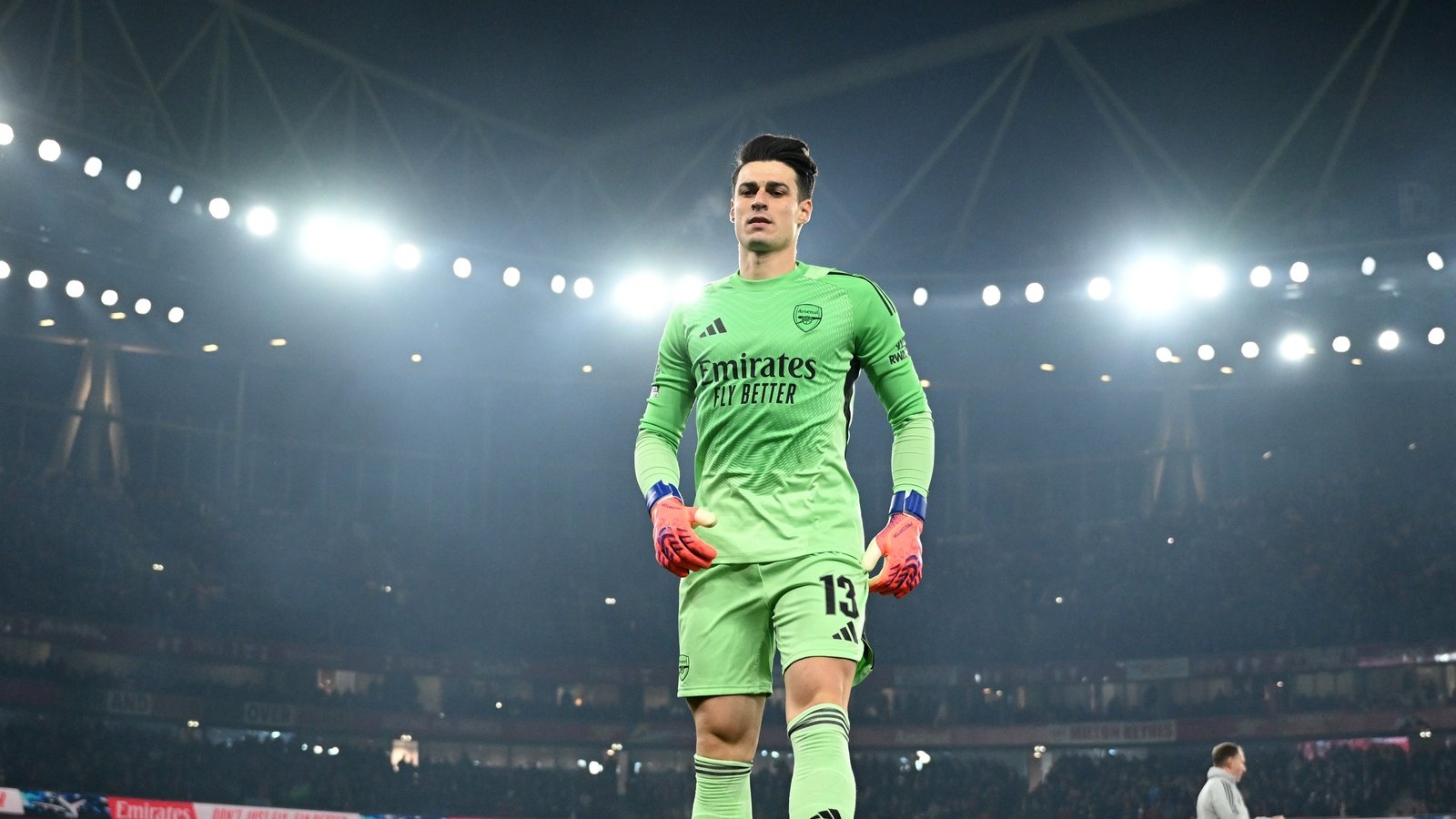
Integrating peripheral players like Kepa Arrizabalaga and Christian Norgaard serves a dual purpose: ensuring medal eligibility for squad depth and maintaining collective morale. This approach reinforces the club’s reliance on a robust squad architecture throughout an exhaustive campaign.
Operational Leverage and Physical Demands
Martin Zubimendi’s record-setting 56th appearance of the season highlights the extreme physical intensity of modern football. Surpassing Pat Jennings’ 1970/71 mark reflects the elevated durability standards required in high-performance environments. Simultaneously, Mikel Merino’s return to the matchday squad provides a vital tactical boost for European competition, offering Arteta increased flexibility for managing match-intensity.
Competitive Incentives and Institutional Positioning
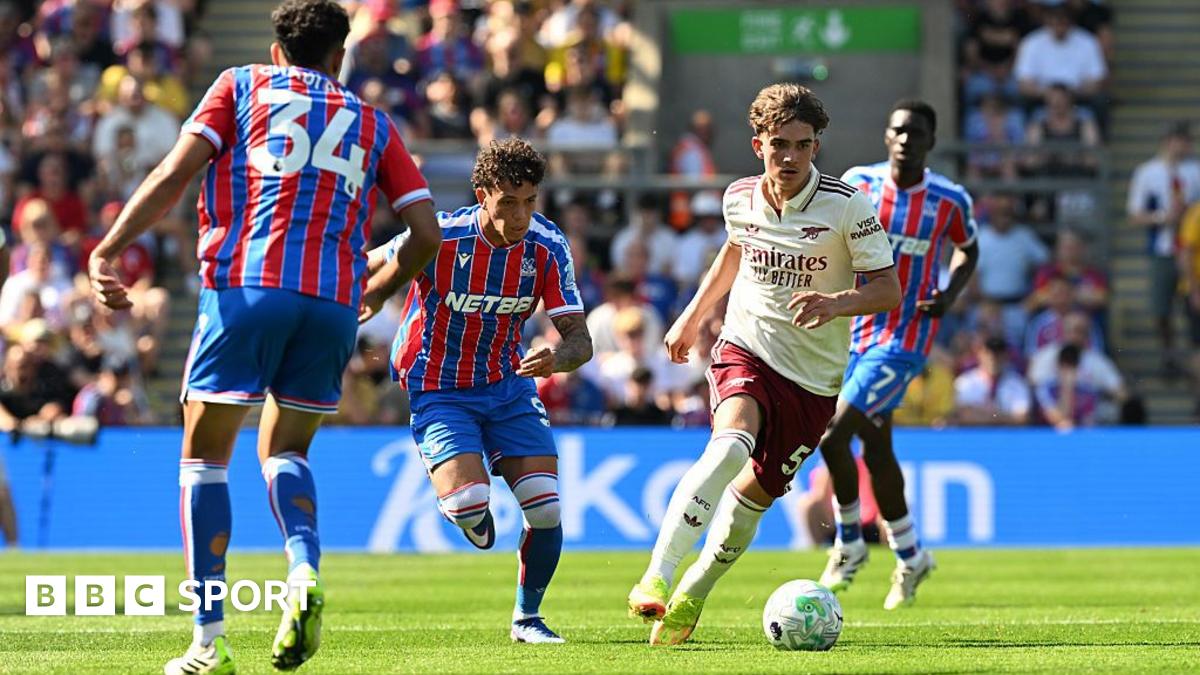
The fixture at Selhurst Park presents a study in contrasting priorities. While Arsenal manages the transition from domestic victors to European contenders, Oliver Glasner’s Crystal Palace must calibrate their intensity ahead of a Conference League final. This disparity underscores a common theme in the European football landscape: the necessity of risk management in fixtures preceding continental finals.
Consistency and Tactical Identity
Despite heavy rotation, the inclusion of leaders like Gabriel Jesus and proven assets like Gabriel Martinelli ensures operational continuity. Arsenal’s 82-point tally from 37 games illustrates the defensive and offensive consistency required to navigate the modern Premier League, a title race ultimately defined by both internal performance and external results from title rivals.
Long-Term Strategic Implications
The transition to a championship-winning institution demands a recalibration of recruitment and squad integration strategies. Arsenal’s successful deployment of young prospects like Myles Lewis-Skelly alongside veterans demonstrates a blueprint for sustainable success. As the club pivots toward the May 30 Champions League final, these strategic rotations serve as a critical bridge between validating the current project and securing future continental ambitions.