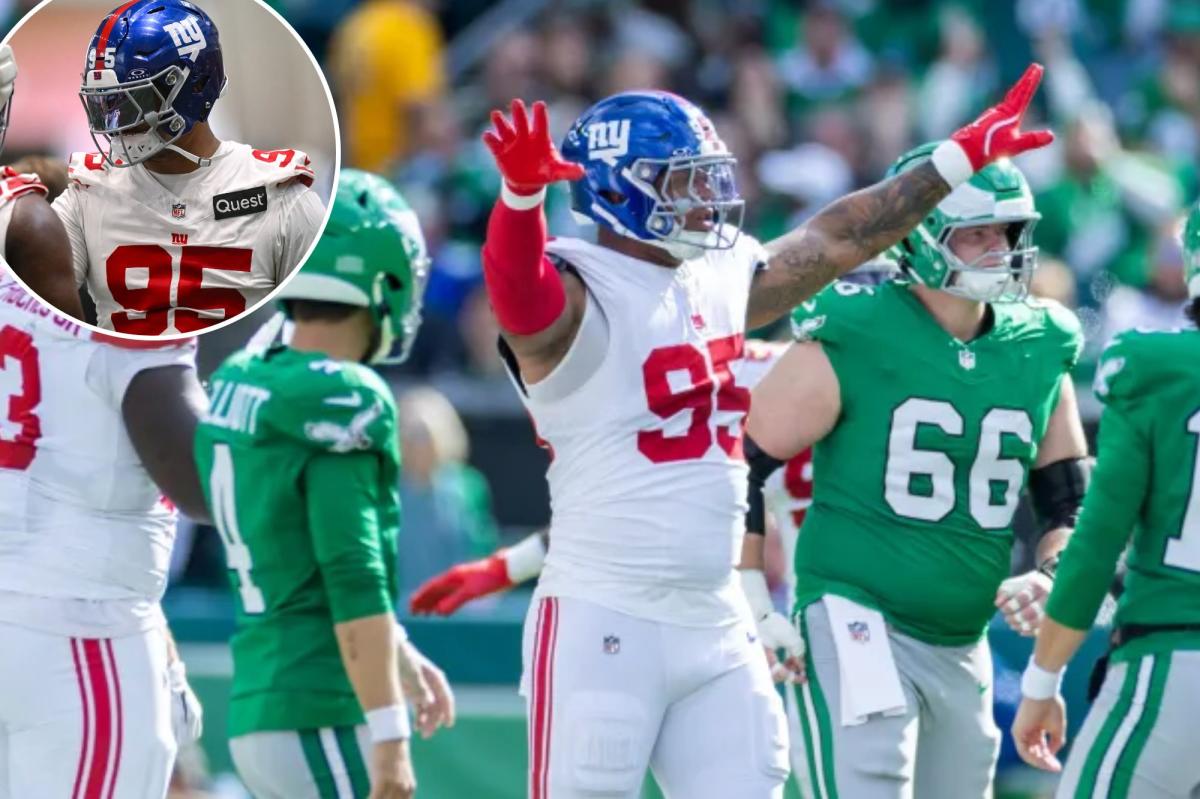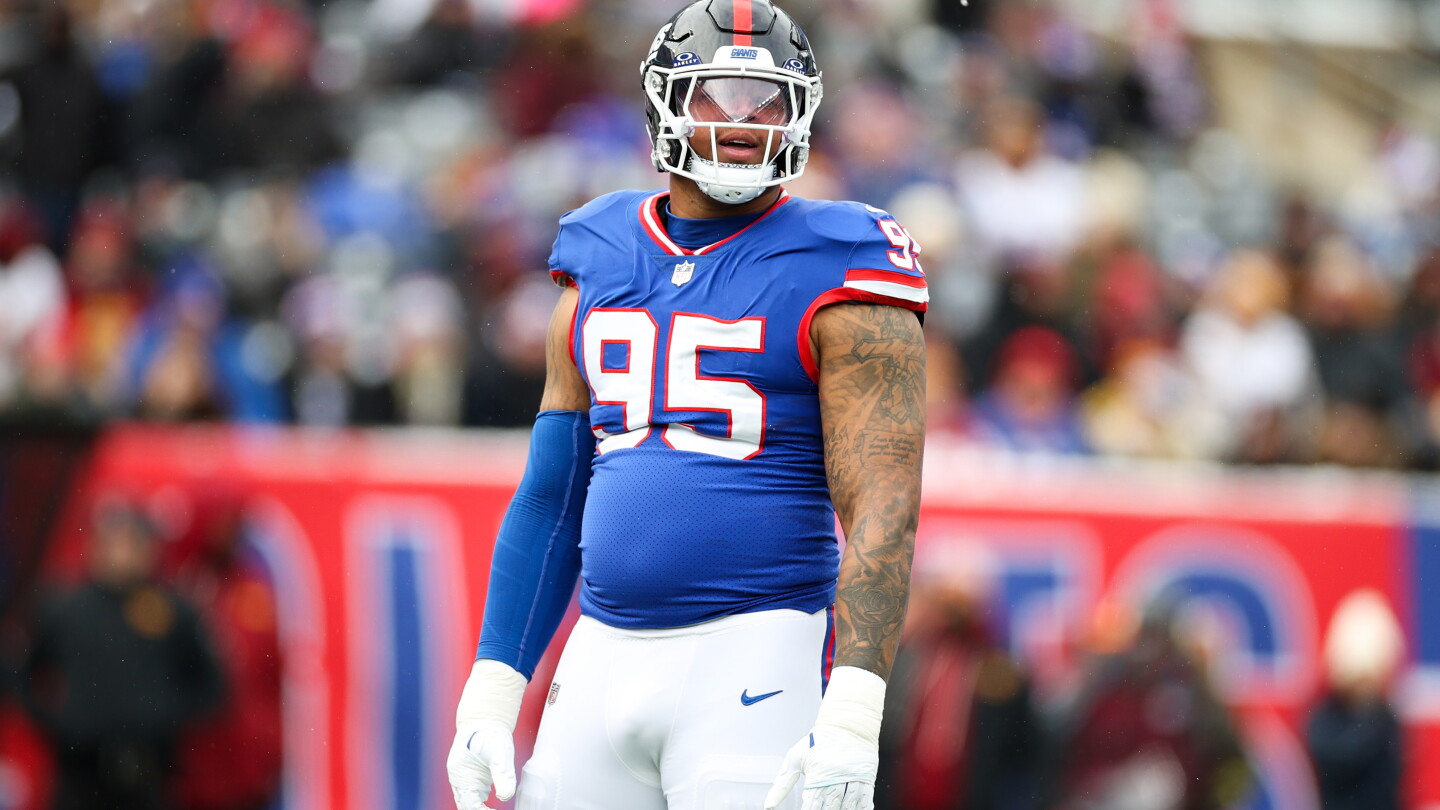
The Seattle Seahawks’ defensive infrastructure has encountered a primary operational setback following a confirmed Achilles tendon rupture sustained by veteran defensive lineman Roy Robertson-Harris. This injury, occurring during Organized Team Activities (OTAs), represents a critical disruption to a unit undergoing a fundamental schematic recalibration under a new coaching regime.
As reported by The Athletic, the 32-year-old veteran was a projected cornerstone of the interior rotation after demonstrating remarkable durability over the previous season. His absence creates an immediate void in the first-string defense, where his veteran presence was intended to serve as a stabilizing force for the upcoming campaign.
The timing of this attrition is particularly impactful given the organization’s recent strategic shifts in the trenches. By pivoting toward a more diversified, veteran-heavy interior following significant personnel trades, the Seahawks’ front office now faces a premature stress test of their roster’s depth and elasticity.
Strategic Implications of Personnel Attrition
The loss of Robertson-Harris removes a proven 17-game starter from the equation, significantly increasing the pressure on the remaining interior personnel. This high-turnover environment within the trenches necessitates an accelerated scheme implementation for the remaining roster, as the coaching staff can no longer rely on his high-floor production and 10-year professional pedigree.
Financially, the veteran’s contract now represents a significant sunk cost for the current fiscal year. While medical advancements have improved recovery timelines, the operational reality of an Achilles tear in May dictates an immediate search for a replacement capable of replicating his consistent tackle output and gap-discipline.
Operational Pressure on Rotational Depth
The injury significantly increases the performance leverage required from secondary free agent acquisitions and established veterans like Leonard Williams. Personnel brought in to provide situational utility, such as Shelby Harris, are now likely to see their snap counts escalate to starter-level volume, testing the team’s ability to maintain defensive efficiency without their primary rotational flexibility.
The accelerated timeline for these players to master the nuances of the defensive system is now a primary institutional concern. Any further attrition within this group would leave the interior defense dangerously thin as they prepare for a highly competitive NFC West schedule.
Institutional Risk and Training Protocols
This incident marks the second severe lower-extremity injury within a week for the roster, following a similar setback for rookie cornerback Thaddeus Dixon. This cluster of non-contact injuries often triggers internal reviews of conditioning programs and surface conditions. Organizations must balance tactical preparation with the imperative of preserving player health before mandatory training camps begin.
For Seattle, losing a veteran starter and a developmental prospect to the same injury type creates a narrative of physical vulnerability. The impact on team morale and the potential for increased caution during practice drills could subtly alter the effectiveness of the remaining offseason program.
Developmental Trajectory of Bobby Jamison-Travis
The vacancy fundamentally alters the developmental arc for rookie Bobby Jamison-Travis. Originally viewed as a depth piece with a multi-year acclimation timeline, Jamison-Travis may be forced into a high-leverage role earlier than strategically optimal. Transitioning to the NFL interior requires a level of physical technicality that rookies often lack, placing the onus on the coaching staff to determine if he can provide meaningful production or if external reinforcements are required.
Market Positioning and Competitive Outlook
In the broader context of the NFC, the Seahawks’ ability to anchor the line of scrimmage is now under intense scrutiny. Opposing offensive coordinators will likely view the loss of an ironman starter as a primary target for exploitation in early-season game planning. The organization’s ability to navigate this period of roster instability will define their defensive trajectory for the 2024 season and beyond.