The Erosion of Commencement Consensus
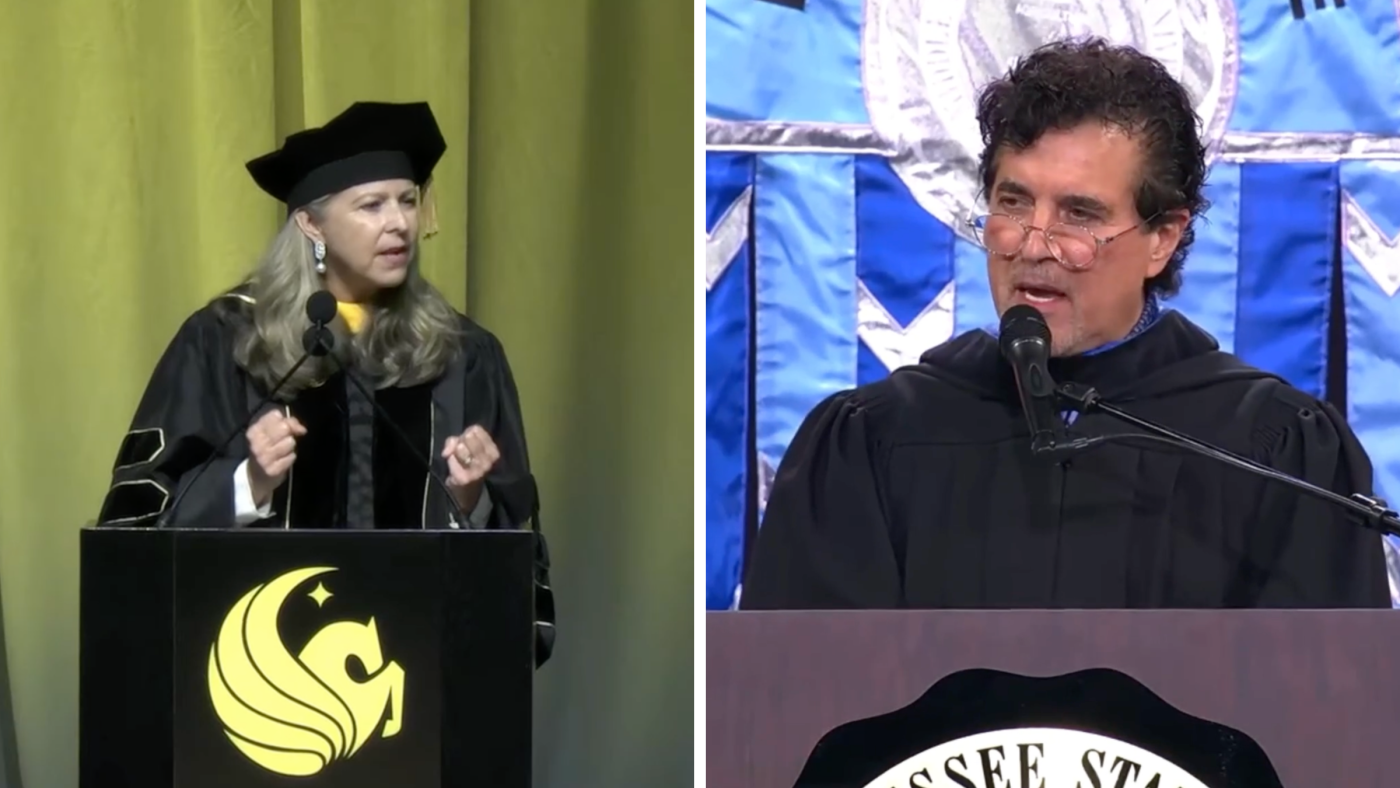
The traditional commencement address, historically a venue for aspirational rhetoric, has increasingly become a site of institutional friction. Recent ceremonies, including those at the University of Arizona and the University of Central Florida, have seen speakers interrupted by vocal dissent regarding their promotion of artificial intelligence.
This departure from ceremonial decorum signals that AI is no longer viewed by students as a benign byproduct of progress, but as a direct provocation regarding their precarious economic futures.
The Entry-Level Labor Market Squeeze
The hostility toward speakers is fundamentally an economic response to a tightening labor market. Data from the New York Federal Reserve indicates that the unemployment rate for recent college graduates sits at 5.6%—notably higher than the broader workforce average.
Competition for entry-level roles has intensified; ZipRecruiter reports a 21.7% year-over-year increase in applications per posting, even as entry-level job availability occupies a diminishing share of total labor demand. For graduates, AI is perceived not as a tool for career advancement, but as a structural threat to the remaining pool of junior positions.
Operational Failure and Institutional Distrust
The dissonance is both ideological and operational. At Glendale Community College, the deployment of an AI system to announce graduates resulted in technical errors, including mispronounced and omitted names.
This incident acts as a microcosm for student apprehension regarding institutional reliance on automation. When technology disrupts fundamental, human-centric rituals, it validates fears that automated systems prioritize efficiency over professional dignity and human experience.
The Disconnect of Technological Determinism
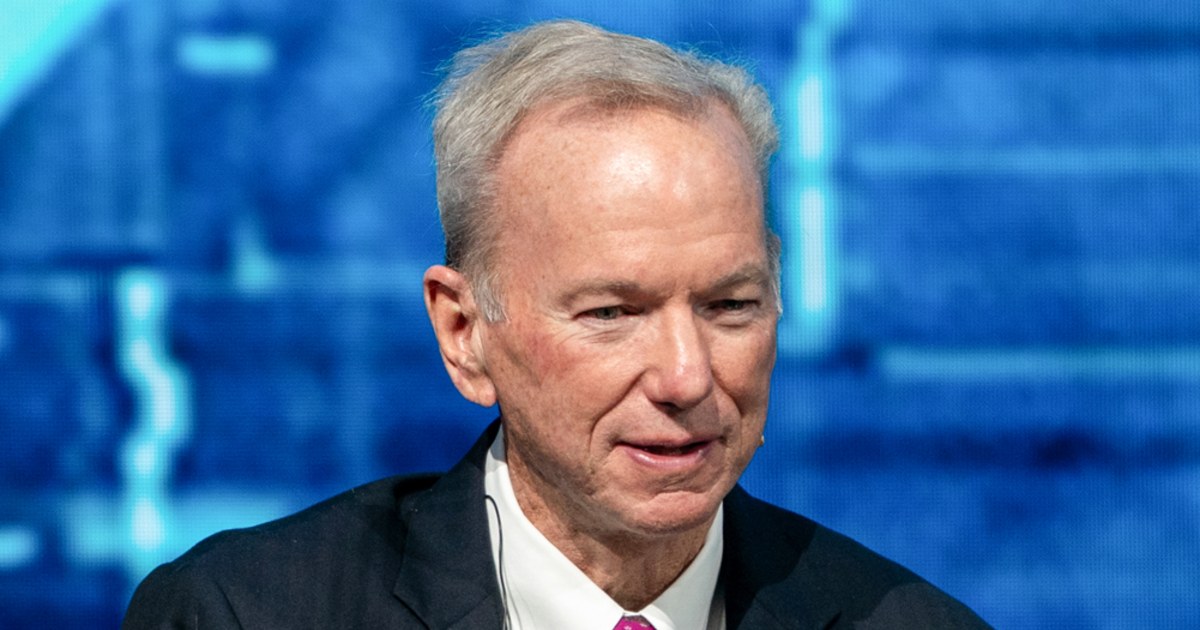
Former Google CEO Eric Schmidt’s reception at the University of Arizona underscores a generational disconnect. Schmidt’s attempt to frame AI within the historical arc of the computer age failed to resonate with an audience that views the current digital landscape as a source of coarsened discourse and social erosion.
Students are increasingly sophisticated in their critique of technological shifts. They see the negative externalities of the platforms that defined the previous decade and are applying that same skepticism to the integration of generative AI into the professional workforce.
Strategic Repercussions for Institutional Messaging
The rejection of AI-centric messaging by the Class of 2026 forces a reassessment of public communication. Speakers relying on techno-optimism are finding their message out of touch with a cohort facing significant structural barriers to entry.
Institutions that fail to pivot away from abstract technological cheerleading toward a more nuanced acknowledgment of economic anxiety risk alienating their most vital stakeholders at a critical juncture of professional transition.