England’s World Cup Squad: A Multidimensional Strategic Mandate
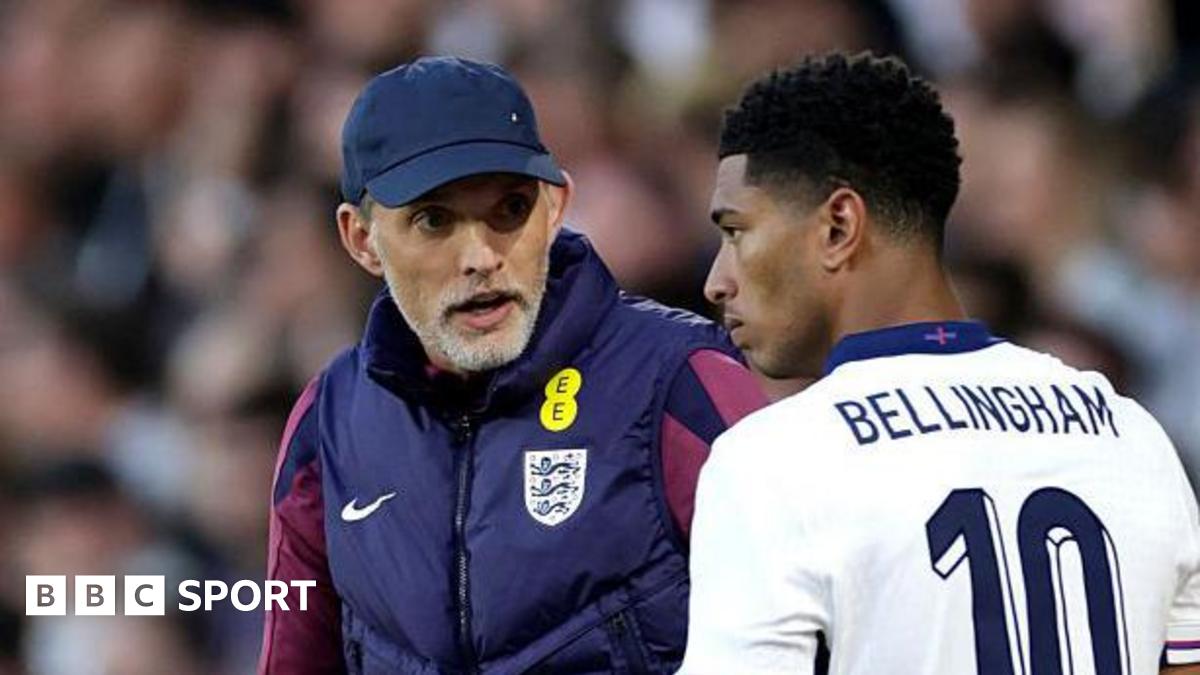
The imminent announcement of England’s 26-man World Cup squad by head coach Thomas Tuchel marks a critical juncture in the national team’s strategic cycle. Far exceeding mere player selection, this decision culminates a rigorous 15-month assessment, driven by an intricate analytical framework that synthesizes performance metrics, tactical imperatives, and nuanced considerations of player welfare and club stakeholders. The reduction from a provisional 55-man roster by over half underscores the profound strategic, operational, and personal stakes involved, directly impacting the squad’s immediate competitive prospects, individual player career trajectories, and their financial valuations within the global transfer market.
Precision in Communication: Managing High-Stakes Player Transitions
Executing this high-stakes selection demands meticulous communication protocols, strategically designed to mitigate the immense emotional and professional repercussions for players. The differentiated approach—a direct phone call for omitted individuals versus a text for those selected—exemplifies a deliberate strategy. This personalized delivery of difficult news, contrasted with streamlined positive confirmations, is paramount for safeguarding professional relationships across the entire football ecosystem. The “dreaded call” transcends personal disappointment; it represents a tangible pivot in a player’s immediate career trajectory, profoundly influencing summer plans, pre-season preparations, and even future contract leverage.
Player & Club Ecosystem: Economic Valuation, Performance & Risk
For elite footballers, World Cup representation is the apex of professional aspiration, amplifying both the elation of inclusion and the profound disappointment of omission. A place in the final 26 can significantly elevate a player’s global profile, attracting lucrative endorsement opportunities, substantially increasing market value, and cementing their legacy. Conversely, exclusion, particularly after progressing through an extended provisional squad, carries substantial psychological repercussions, potentially affecting confidence and immediate club performance. The astute management of these emotional outcomes is a subtle yet critical facet of national team leadership, influencing squad cohesion and future player availability.
Professional clubs, significant investors in player development, salaries, and transfer fees, face distinct implications. While a player’s World Cup participation enhances club prestige and potential transfer value, offering a strong return on investment, it also introduces considerable risk. Foremost among these is the potential for injury during international duty, which can severely disrupt domestic campaigns and incur substantial financial losses. This inherent tension defines the complex dynamic between national federations and clubs, where the shared objective of player welfare often clashes with competing institutional and financial interests.
Strategic Balancing Act: Form, Fitness, and Tactical Cohesion
Tuchel’s widely reported selection dilemmas, particularly in defense where injury and fitness concerns have been prevalent, epitomize the delicate strategic balancing act intrinsic to squad construction. Decisions regarding established players, who under optimal circumstances would be automatic inclusions, highlight the trade-offs between proven experience, current performance metrics, physical readiness, and their tactical compatibility with the coach’s overarching vision. The 15-month assessment period enabled Tuchel to conduct a comprehensive evaluation of player attributes, focusing on adaptability to diverse tactical systems and their capacity to perform under intense tournament pressure, ensuring each selection contributes optimally to the collective strength and chemistry of the 26-man unit.
Media Scrutiny & National Resonance: Shaping Public & Commercial Value
The unveiling of a World Cup squad invariably ignites fervent national debate, fueled by media scrutiny across traditional and digital platforms. This intense public discourse, reflecting football’s profound cultural significance in England, dissects every decision, shaping public perception, building or eroding confidence, and ultimately influencing the team’s atmospheric readiness. England’s status as a top contender further intensifies these expectations, transforming the squad selection into a powerful symbol of national aspiration and pride. Each player chosen represents a facet of the country’s sporting ambition on the global stage.
Beyond national sentiment, the squad’s composition significantly impacts the broader economic ecosystem of elite football. World Cup inclusion dramatically enhances a player’s marketability, driving demand from top global clubs and boosting commercial appeal for sponsorship deals. This elevated profile translates into tangible financial benefits for players, agents, and clubs, with the tournament serving as a premier global shop window where standout performances can trigger substantial shifts in player valuation and career trajectory. This commercial amplification, alongside broadcasting rights and merchandising, underpins the World Cup’s powerful global brand, to which England’s participation, driven by its squad, contributes immensely.
Leadership, Institutional Support & Legacy Building
The operational scaffolding supporting a national team extends well beyond the head coach’s immediate decisions, encompassing the intricate institutional structure of the Football Association (FA). This includes specialized sports science, medical, logistical, and administrative departments, all meticulously coordinated to optimize player preparation and performance. The squad selection process is a pivotal point within this larger institutional machinery, requiring seamless collaboration to manage player availability, liaise effectively with clubs, and prepare for the unique, multi-week demands of an international tournament. The efficiency and robustness of this comprehensive institutional support directly correlate with the team’s competitive readiness.
Tuchel’s acknowledgement of “marginal calls in almost every position” highlights the inherent uncertainties and subjective elements that persist even within data-rich selection processes. The ability to navigate this environment, balancing internal team dynamics with intense external pressures—managing the expectations of a nation while making difficult, often unpopular, decisions—is a testament to the complex leadership demands placed upon a national team coach. This selection is a defining moment for Tuchel’s tenure, shaping his legacy as England manager and reflecting a strategic vision not merely for immediate tournament success but for sustainable competitive advantage and the long-term evolution of English football on the global stage.