The convergence of elite professional sports and high-profile entertainment figures serves as a critical driver of brand equity and media valuation. During Game One of the NBA Eastern Conference Finals on May 19, 2026, at Madison Square Garden (MSG), this symbiotic relationship was on display as the New York Knicks faced the Cleveland Cavaliers. The visible presence of top-tier cultural figures courtside highlights the strategic alignment between the National Basketball Association (NBA) and the broader entertainment industry.
Madison Square Garden functions as a high-leverage marketing platform where athletic performance and celebrity brand equity undergo mutual financialization. The visible attendance of prominent actors, musicians, and filmmakers during high-stakes playoff games amplifies broadcast viewership and enhances the cultural relevance of the franchise. This structural integration of celebrity capital directly influences consumer engagement, media rights valuations, and the commercial appeal of live sports programming.
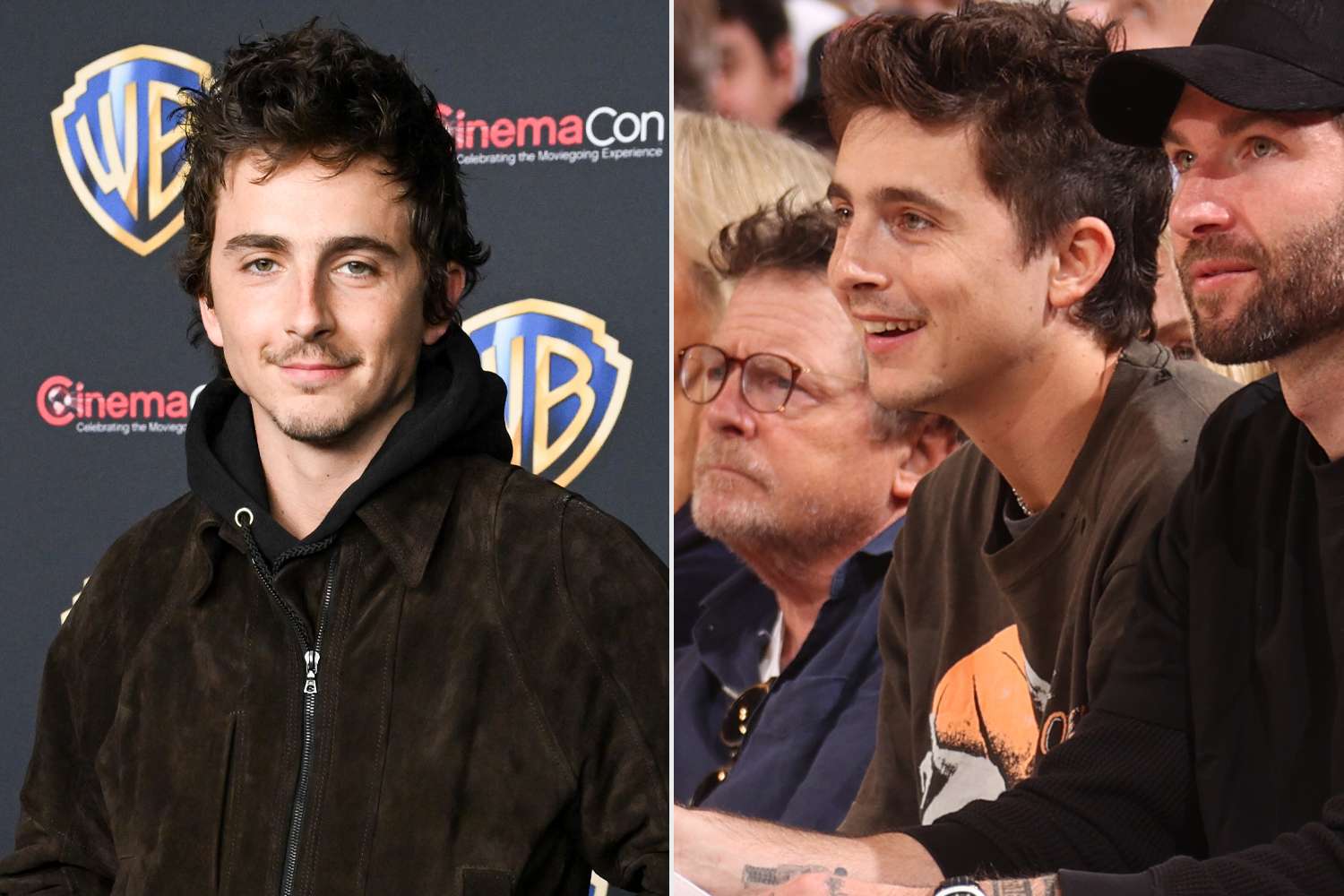
The strategic deployment of celebrity presence is particularly evident in the deliberate public relations decisions made by high-profile talent. Actor Timothée Chalamet, transitioning from his role in the film Marty Supreme, utilized the high-visibility environment of the Eastern Conference Finals to debut a significant aesthetic shift. By appearing clean-shaven with a shorter hairstyle, Chalamet signaled the conclusion of a major production cycle to both the industry and the public.
The Strategic Value of Celebrity Attention Capital
Chalamet's decision to attend the Knicks playoff game over other high-profile cultural events, such as the 2026 Met Gala, underscores the shifting dynamics of celebrity attention capital. For a prominent actor, choosing a live, unscripted sporting event over a highly structured fashion gala represents a calculated positioning strategy. This choice aligns the individual's personal brand with the authentic, high-energy narrative of a championship run, which often commands greater immediate public engagement than traditional red-carpet events.
Furthermore, the physical transformation of an actor post-production is a critical component of career management and public relations. Having maintained a mustache long after filming wrapped for Marty Supreme, Chalamet's decision to shed the facial hair for the Madison Square Garden appearance represents a clean break from his previous character. This aesthetic reset, witnessed by millions of viewers globally, serves as a visual transition point that prepares the market for his next professional phase.
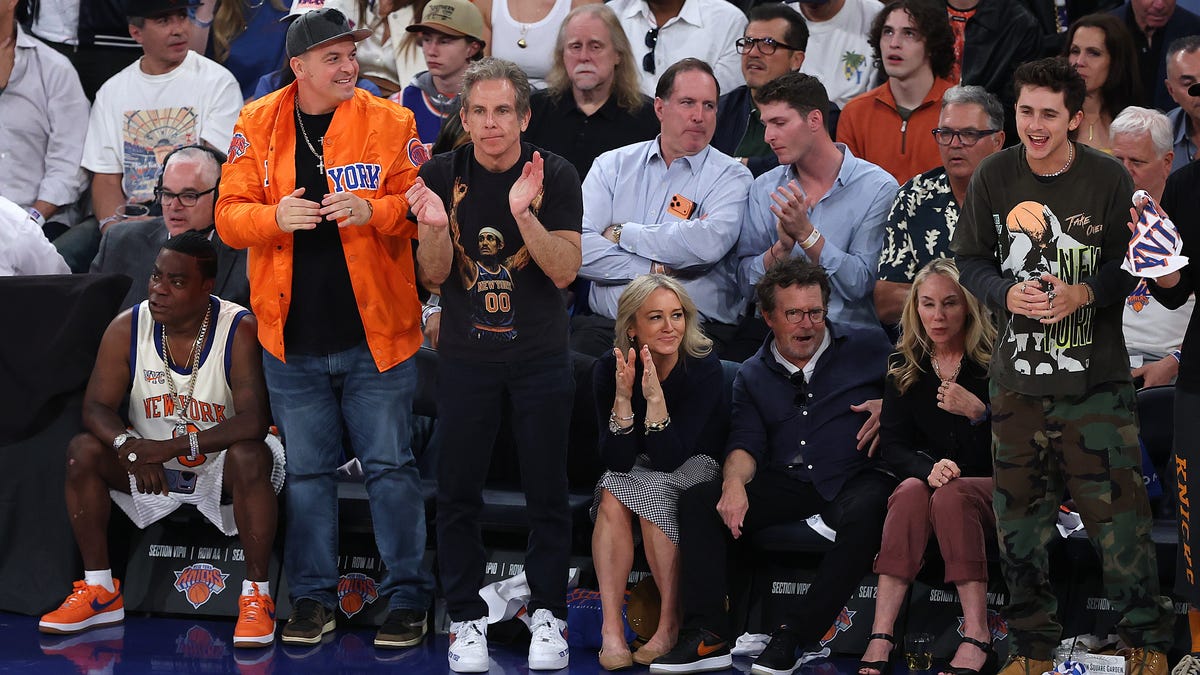
The courtside seating arrangement at Madison Square Garden is a highly curated corporate asset, designed to maximize visual impact during live broadcasts. Alongside Chalamet, the presence of industry veterans such as Ben Stiller, Christine Taylor, Michael J. Fox, Tracy Pollan, Tracy Morgan, Lenny Kravitz, and Spike Lee creates a dense concentration of cultural influence. This collective presence reinforces the venue's reputation as the premier intersection of sports, entertainment, and media power.
Media Distribution and the Economics of Courtside Imagery
The dissemination of courtside imagery is governed by complex licensing agreements and real-time media syndication networks. Agencies such as Getty Images and Imagn Images play a pivotal role in capturing and distributing high-resolution photographs of celebrities reacting to the game's progress. These images are immediately ingested by global newsrooms, lifestyle publications, and digital platforms, generating instantaneous editorial content that extends the reach of the event far beyond the arena's physical capacity.
The explicit licensing terms associated with these photographs, which require users to consent to strict usage agreements, highlight the commercial value placed on celebrity likenesses in sports settings. Photographers like Sarah Stier, Brad Penner, Nathaniel S. Butler, and Pamela Smith operate under high-pressure conditions to capture moments that blend athletic intensity with celebrity emotion. These visual assets are critical for digital publishers who rely on the combined draw of sports performance and celebrity lifestyle to drive traffic and ad revenue.
The editorial coverage generated by outlets such as PEOPLE, led by journalists like Clare Fisher, demonstrates how lifestyle media capitalizes on sports events. By focusing on details such as Chalamet's grooming choices alongside the game's outcome, these publications bridge the gap between sports enthusiasts and general entertainment consumers. This dual-audience appeal is highly attractive to advertisers, who can leverage a single cultural moment to reach diverse demographic segments.
Athletic Performance as a Commercial Catalyst
While celebrity presence provides the cultural framework, the underlying driver of commercial value remains the high-leverage athletic performance on the court. The matchup between the New York Knicks and the Cleveland Cavaliers delivered the necessary dramatic tension, culminating in a 115-104 overtime victory for the home team. Such competitive intensity ensures that the media attention directed at the arena is sustained throughout the broadcast, maximizing the exposure of courtside brands and sponsors.
Key performances by athletes like Jalen Brunson and Landry Shamet are essential to maintaining the high-stakes atmosphere that attracts premium brand associations. When Brunson and Shamet deliver critical plays in overtime, the emotional reactions of courtside celebrities like Spike Lee and Ben Stiller are captured in tandem. This fusion of athletic excellence and genuine celebrity fandom creates highly shareable media moments that enhance the overall enterprise value of the NBA and its broadcast partners.
The operational success of Game One of the Eastern Conference Finals demonstrates the efficacy of Madison Square Garden's entertainment-sports model. By consistently attracting high-value individuals to its most critical games, the venue ensures that every broadcast is treated as a major cultural event. This strategy not only secures high domestic television ratings but also strengthens the global footprint of the NBA in international markets where celebrity culture is a primary driver of consumer interest.
Institutional Implications and Future Outlook
The structural alignment of Hollywood talent and professional sports franchises during the 2026 playoffs suggests a continuing integration of these two sectors. As traditional media landscapes fragment, live sports remain one of the few reliable vehicles for securing massive, simultaneous audiences. Consequently, talent agencies, film studios, and individual artists will increasingly view major sporting events as essential venues for brand building and public relations campaigns.
For the NBA, the continued cultivation of a celebrity-friendly environment at key arenas like Madison Square Garden is a vital defensive strategy against competing entertainment options. By positioning its games as the ultimate destination for cultural elites, the league secures a premium brand status that justifies high ticket prices, lucrative sponsorship deals, and record-breaking media rights agreements. The presence of figures like Chalamet, Kravitz, and Fox is not a casual occurrence but a core element of a sophisticated commercial ecosystem.
Ultimately, the events of May 19, 2026, illustrate how a single basketball game can serve as a multi-layered commercial platform. From the athletic achievements of the players to the strategic aesthetic transitions of Hollywood stars, every element of the evening was captured, analyzed, and monetized. As the Eastern Conference Finals progress, the synergy between courtside celebrity capital and on-court performance will continue to define the modern sports entertainment landscape.