The Urban-Wildland Interface (WUI) and Tactical Pivot
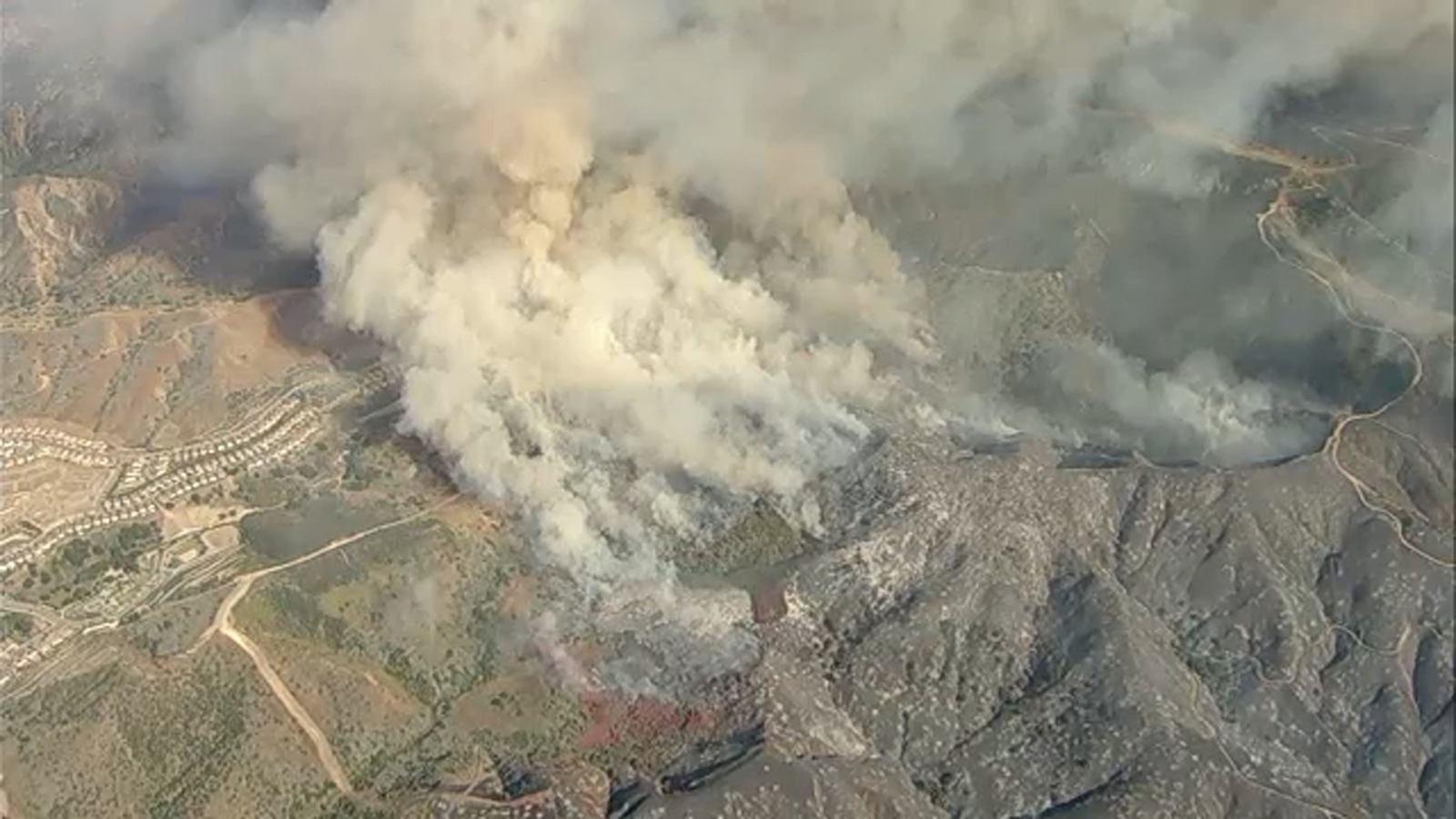
The Sandy Fire, igniting in the rugged topography surrounding Simi Valley, serves as a critical case study in the vulnerabilities of the Southern California urban-wildland interface (WUI). The incident necessitated the immediate evacuation of 17,000 residents, illustrating the logistical burden of managing high-density suburban populations during rapid-onset events. Within the initial 24-hour cycle, the blaze consumed approximately 1,400 acres, forcing fire command to execute a tactical pivot from broad wildland suppression to localized structure defense in high-value residential corridors like Trickling Brook Court.
Meteorological Drivers and Diurnal Operational Windows
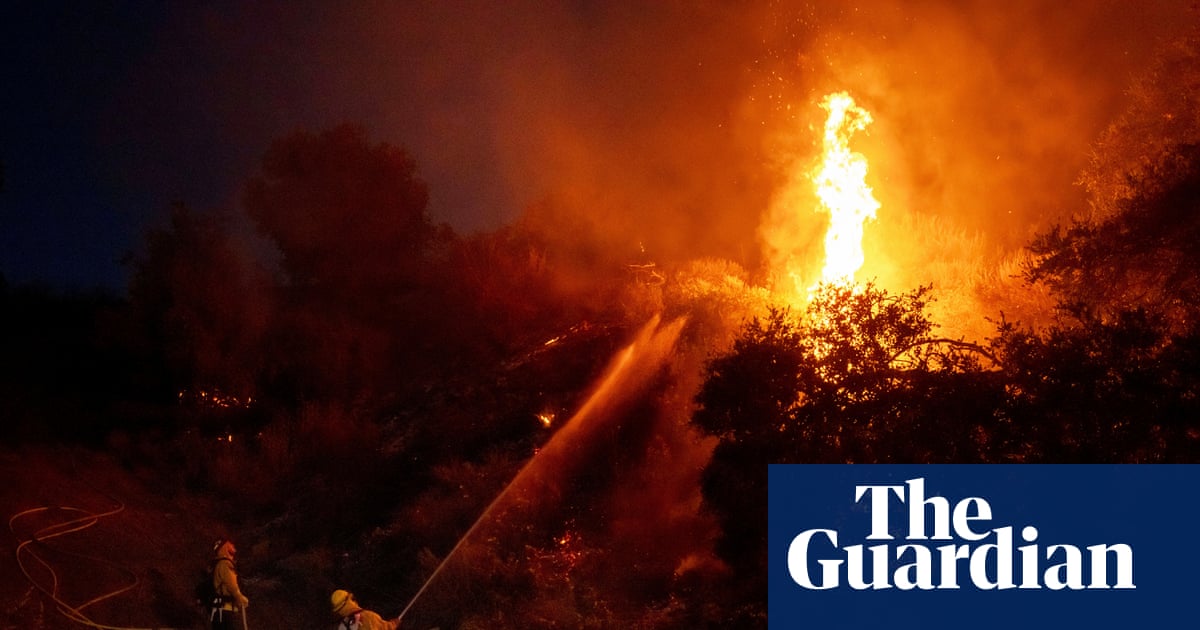
Initial expansion was dictated by high-energy wind conditions, with gusts exceeding 30 mph facilitating ember-driven spot fires that bypassed traditional ground-based containment lines. This reactive phase transitioned as wind speeds decelerated overnight, creating a vital ‘tactical window.’ During this period of atmospheric stability, the 750 personnel assigned to the incident moved from defensive posture to offensive line construction. By Tuesday midday, utilizing hand crews and heavy machinery in previously inaccessible terrain, responders successfully established a 5% containment anchor point.
Technological Force Multipliers in Aerial Suppression
A significant operational advantage in the Sandy Fire response was the deployment of night-vision-capable helicopters. These assets mitigate the traditional ‘no-fly’ period for fixed-wing tankers, allowing for continuous water-dropping missions that suppress hotspots during hours of higher relative humidity. This integration of advanced aerial technology with the California Master Mutual Aid system allowed Ventura County to scale resources rapidly, preventing a localized ignition from escalating into a regional catastrophe despite the arid fuel beds and volatile terrain.
Institutional Impacts and Economic Resilience
Beyond immediate suppression costs, the Sandy Fire highlights the systemic economic disruption inherent in large-scale evacuations. The cessation of local commerce and the strain on municipal infrastructure represent significant indirect costs. Furthermore, the ensuing cause-and-origin investigation remains a focal point for institutional stakeholders, including utility providers and insurance underwriters. As fire seasons extend, the sustainability of this resource-intensive suppression model remains a primary concern for California’s emergency management framework and long-term land-use planning.