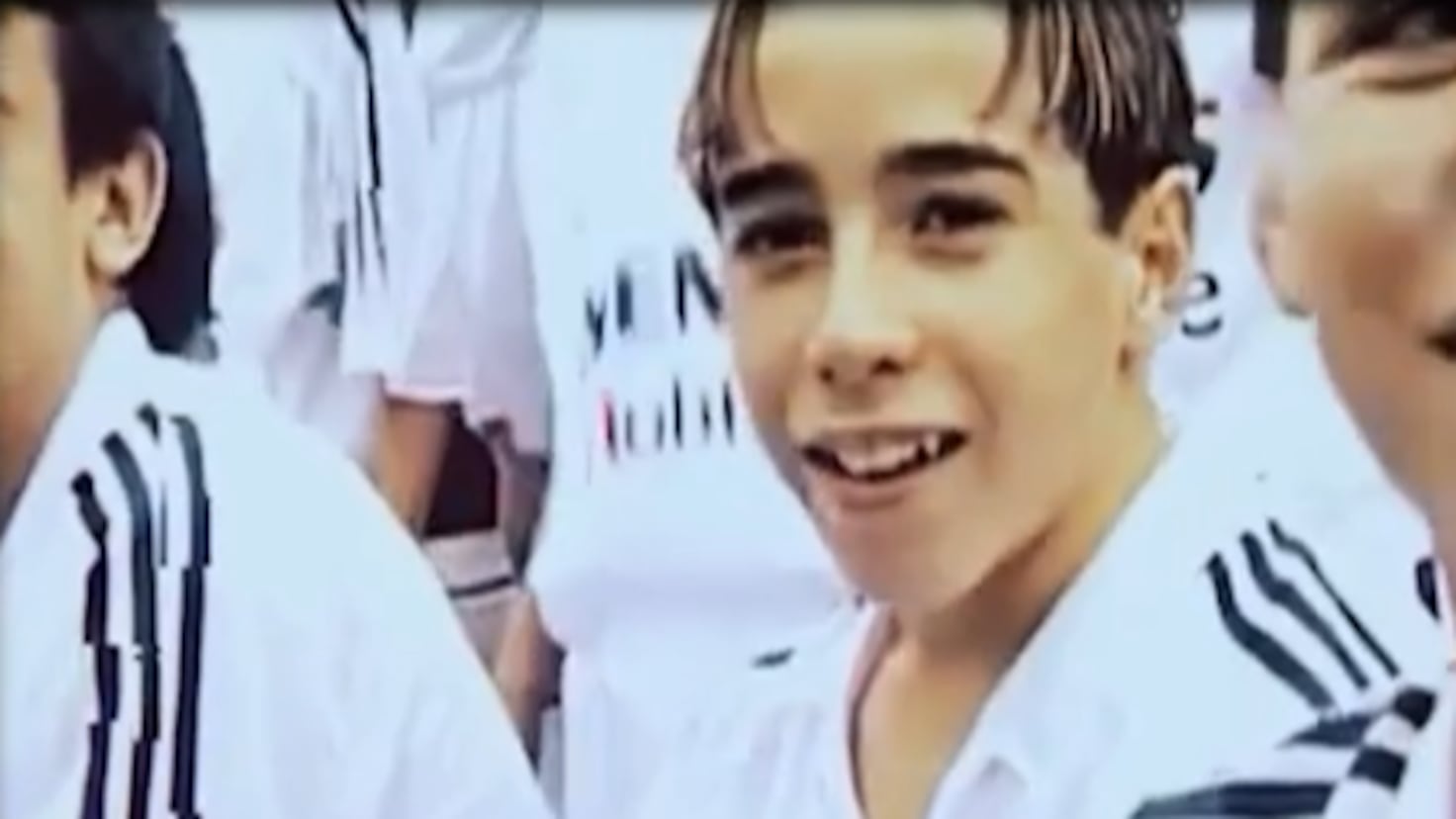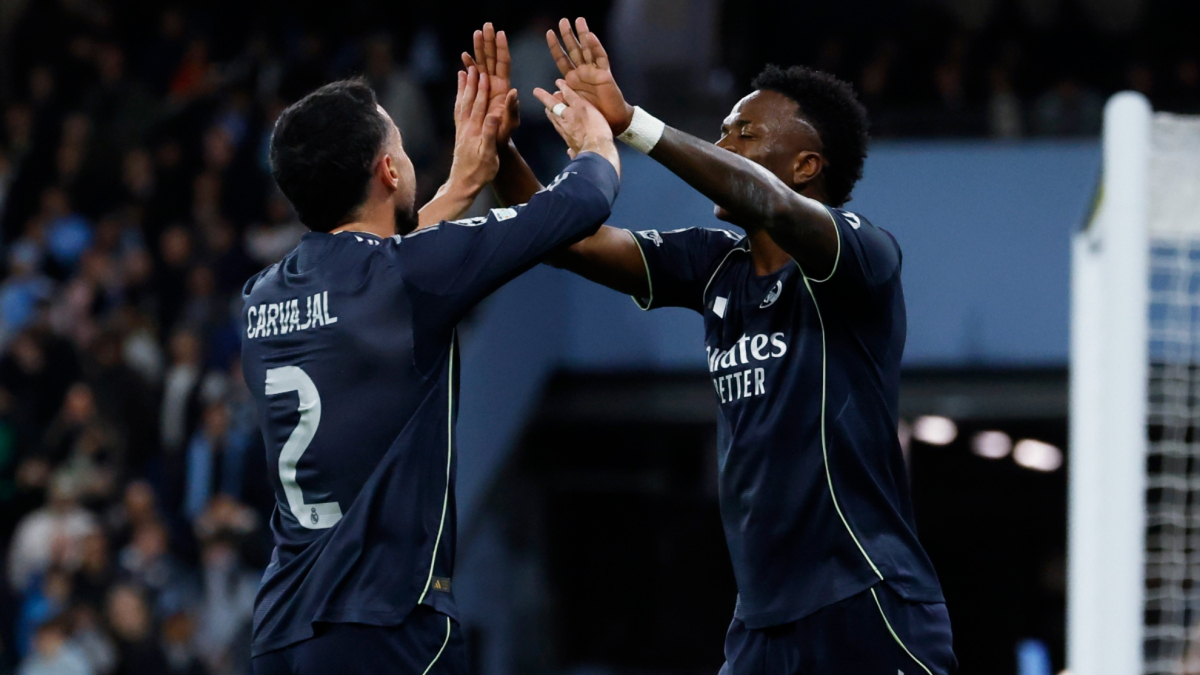
The official confirmation of Dani Carvajal’s departure from Real Madrid after a 13-season tenure marks a pivotal inflection point in the club’s sporting project. This exit, finalized via a joint institutional statement, signifies more than a personnel change; it represents the dismantling of a long-standing defensive hierarchy that has provided technical and psychological stability for over a decade. The decision to synchronize this announcement ahead of the season finale against Athletic Club facilitates a controlled narrative transition, allowing the club to mitigate market volatility while honoring its departing captain.
Leadership Recalibration and the Erosion of Local Core
Carvajal’s exit, closely following the departure of former captain Nacho, creates a profound leadership vacuum within the locker room. This dual loss of homegrown veterans—both products of ‘La Fábrica’—erodes the club’s domestic institutional knowledge. For a roster increasingly populated by international youth profiles like Arda Güler and Endrick, the removal of these cultural anchors necessitates an accelerated maturation process for the next generation of leaders. The endorsement of Carvajal as a ‘benchmark’ by these emerging talents underscores the veteran’s role in instilling the professional standards required at the elite level.
Tactical Displacement and the Right-Back Succession
From a technical standpoint, replacing a player described by Vinicius Júnior as the “best fullback in history” presents a significant recruitment and tactical challenge. Carvajal’s role was defined by a unique synthesis of defensive aggression and offensive overlap, a dual-threat profile that allowed tactical flexibility for successive managers. His departure forces the technical staff to choose between internal promotion—pressuring players like Fran García or Álvaro Carreras to scale their output—or an aggressive external market intervention to secure a specialist capable of matching Carvajal’s tactical intelligence.
Institutional Branding and Narrative Control
Real Madrid’s proactive communication strategy—leveraging high-production retrospective media—serves to maximize the club’s brand equity during a period of transition. By framing the exit as a coordinated, high-level agreement rather than a contract expiration, the institution reinforces its reputation as a destination that honors long-term loyalty. This strategy preserves the club’s internal harmony and ensures that the final match against Athletic Club serves as a high-value ceremonial event, effectively closing the chapter on one of the most decorated individual careers in modern football history.