Console Repurposing Drives Firmware Advancement
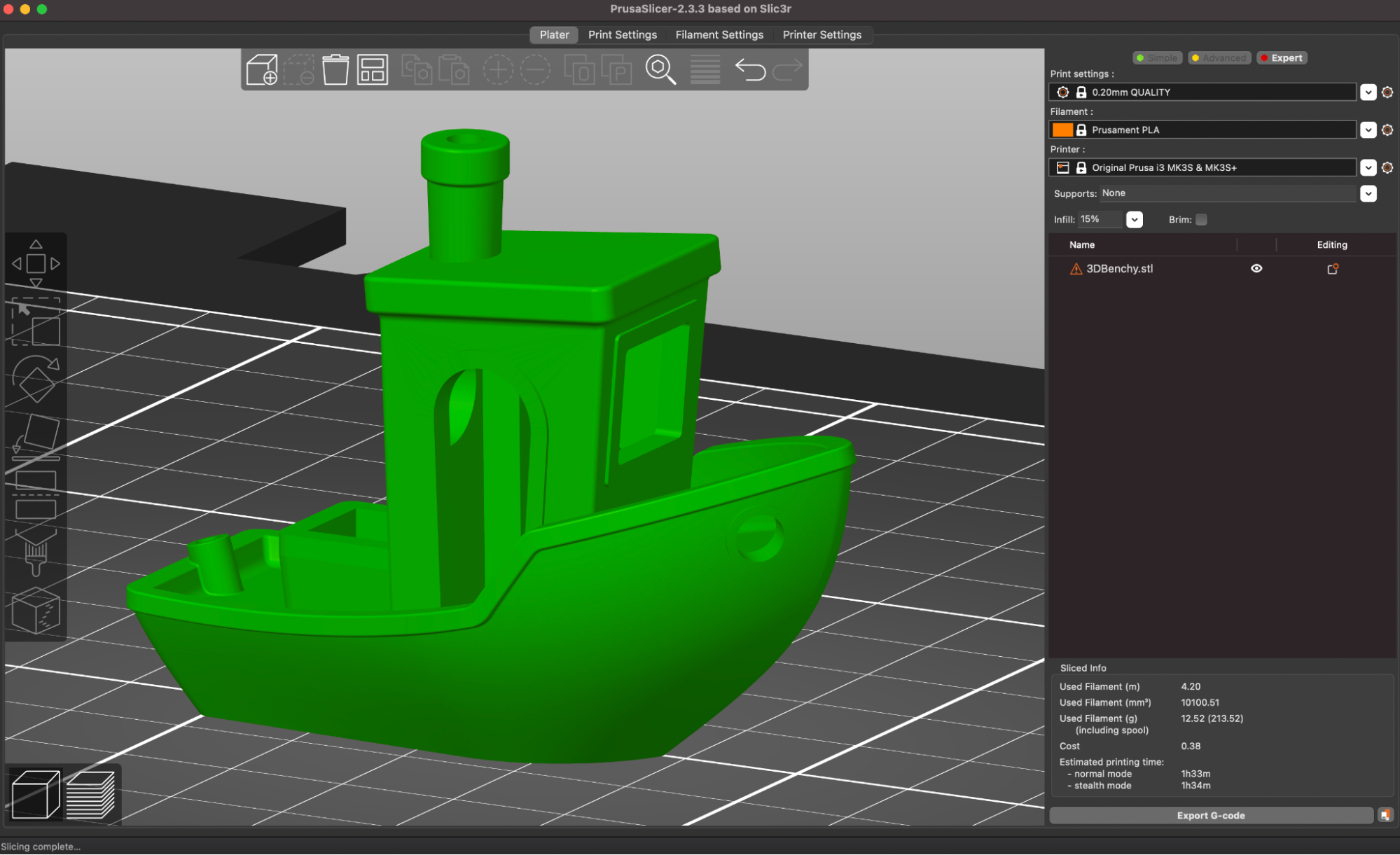
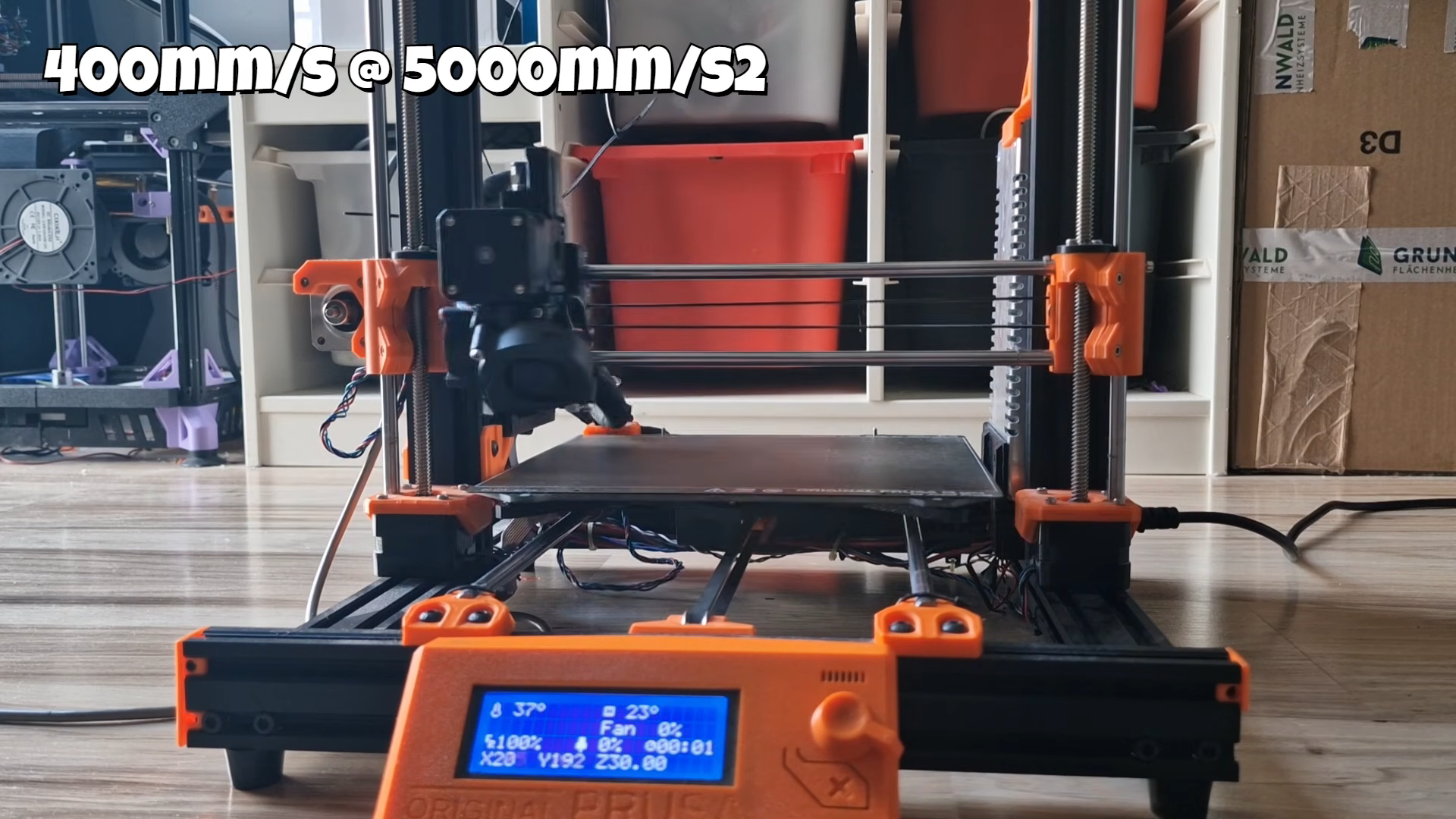
An enthusiast has significantly accelerated an older 3D printer by repurposing a jailbroken Nintendo Switch to run specialized firmware. This modification slashed the print time for a standard 3DBenchy model from 90 minutes to under 9 minutes—a 90% reduction in print duration. This achievement highlights the potential for leveraging versatile computing platforms to enhance dedicated hardware performance.
The innovation hinges on Klipper firmware, an open-source solution designed to offload complex motion processing from a 3D printer’s microcontroller to a more powerful external computer. This architectural shift enables sophisticated computations like advanced path planning and vibration compensation to be handled externally, freeing the printer’s native hardware for essential tasks like motor control.
This method bypasses the processing limitations of typical 3D printer microcontrollers, often optimized for cost rather than peak performance. By utilizing the Nintendo Switch’s quad-core processor, the system executes G-code commands with superior precision and speed, a marked improvement over traditional firmware like Marlin.
Strategic Value of Firmware Offloading
The strategic advantage of Klipper, as demonstrated, is its capacity to unlock latent performance in existing hardware. For manufacturers of older 3D printer models, this offers a path to extend product lifecycles and boost user satisfaction without costly hardware redesigns. It also presents a competitive edge for users seeking to maximize their 3D printing investments.
The choice of a Nintendo Switch, while unconventional, exemplifies Klipper’s flexibility. While Raspberry Pi or similar single-board computers are common Klipper hosts, the console’s processing power and availability made it a viable option for this user. This adaptability points to a broader range of compatible computing devices for Klipper integration.
Reported quality improvements, such as reductions in “ringing and ghosting,” are direct results of Klipper’s advanced motion planning and vibration compensation algorithms. These features facilitate smoother acceleration and deceleration, minimizing mechanical artifacts that degrade print quality, thus providing both speed and fidelity gains.
Market Dynamics and Ecosystem Opportunities
This modder’s success could reshape the 3D printing market by underscoring the critical role of software and processing power. It challenges the traditional hardware-centric approach to performance upgrades, suggesting sophisticated firmware on accessible computing hardware can yield substantial gains.
Klipper’s open-source nature is a key enabler, fostering a community that drives its advancement and explores novel applications. This collaborative environment accelerates innovation and lowers the barrier to entry for advanced 3D printing techniques, potentially democratizing high-performance printing capabilities.
For console manufacturers, this scenario, though niche, could spark interest in dual-purpose hardware applications. The Nintendo Switch’s processing power and established user base suggest an untapped potential for computational tasks beyond gaming, hinting at future integration opportunities in non-traditional sectors.
Future Trends and Competitive Landscape
The demonstrated performance leap indicates a potential industry shift towards software-driven optimizations in 3D printing. Companies that effectively integrate advanced firmware with their hardware can achieve a competitive advantage by offering enhanced speed and quality without major architectural changes.
This development may also alter how users approach 3D printer upgrades. Users might increasingly opt for software-based solutions and external processing units over hardware component replacements to enhance existing machines, potentially creating new markets for firmware development and integration services.
Long-term implications could include a more dynamic and adaptable 3D printing ecosystem where hardware and software evolve symbiotically. The ability to significantly boost performance with readily available computing platforms like the Switch suggests a future where consumer electronics and specialized industrial tools increasingly converge.
Operational Efficiency and User Benefits
The operational leverage achieved through this modification is substantial, transforming a lengthy process into a rapid one. For hobbyists and small-scale production, this time reduction directly translates to increased throughput and efficiency, enabling more projects within a given timeframe.
The incentive for users to adopt such modifications is clear: achieving superior results with existing equipment. The simultaneous claims of improved quality and speed suggest that Klipper’s advanced control mechanisms effectively mitigate common printing defects, presenting a compelling value proposition.
This case also highlights the value of open-source software communities. Klipper’s development and refinement, driven by collective effort, provide powerful tools applicable in innovative ways, empowering users to push the boundaries of their hardware capabilities.
Capital Investment and Industry Positioning
While this is a personal project, the underlying principle of offloading processing power has broader implications for capital investment in the 3D printing industry. Companies developing or integrating efficient firmware solutions may attract investment and gain market share by offering enhanced performance without the high capital expenditure of developing new hardware platforms.
Klipper’s success, especially when demonstrated on consumer hardware like the Switch, could influence R&D priorities for established 3D printer manufacturers. It may encourage greater investment in software development and partnerships with firmware specialists to maintain competitiveness in a rapidly evolving market.
Furthermore, this trend could stimulate a secondary market for compatible computing devices and integration services. Increased demand for platforms like Raspberry Pi and repurposed gaming consoles could emerge as users seek to replicate these performance gains, creating new revenue streams and market opportunities.
Performance Leverage and Quality Assurance
The dramatic reduction in print time from 90 minutes to under 9 minutes for a 3DBenchy model signifies a profound increase in performance leverage, representing a fundamental shift in operational speed that enables rapid iteration and prototyping.
Concurrent claims of enhanced print quality, specifically reduced “ringing and ghosting,” are critical. These common artifacts directly impact the perceived value and usability of 3D prints. This dual improvement in speed and quality indicates a more robust and sophisticated control system at play.
Klipper’s ability to implement techniques like input shaping, which actively compensates for printer vibrations, is a key driver of this performance enhancement. By counteracting resonant frequencies, Klipper ensures smoother print head movement, leading to cleaner layers and sharper details, even at accelerated speeds.
Stakeholder Implications and Competitive Dynamics
For end-users, this development offers a clear benefit: faster, higher-quality prints from existing or more affordable hardware. This democratizes access to high-performance 3D printing, lowering the barrier to entry for professional applications and advanced hobbyist projects.
Established 3D printer manufacturers relying on proprietary, less advanced firmware may face competitive exposure. If Klipper or similar open-source solutions gain widespread adoption, these companies could be pressured to adopt similar technologies or risk losing market share to more agile competitors and the DIY community.
The modder, Cocoanix 3D Printing, gains significant community exposure, establishing a reputation for technical innovation. This visibility can lead to further opportunities, such as sponsorships or collaborations, reinforcing the value of community-driven technological advancement.
Downstream Effects on Industry Positioning
Widespread adoption of Klipper-like firmware could lead to a re-evaluation of hardware specifications in the 3D printing market. Manufacturers might increasingly emphasize processing power and connectivity to support advanced software capabilities, shifting focus from solely mechanical precision.
This trend could also foster a more modular approach to 3D printing, where users assemble printers from various components, including a separate, powerful computing unit running optimized firmware, allowing for greater customization and performance tuning.
The competitive landscape might bifurcate between high-end, integrated systems with seamless Klipper support and a thriving ecosystem of DIY solutions and third-party upgrades, driving innovation across the sector.
Structural Pressures and Evolving Frameworks
The structural pressure driving this innovation is the inherent limitation of embedded microcontrollers in many consumer-grade 3D printers. These systems often lack the computational power for high-speed, high-fidelity printing, creating an opportunity for external processing solutions.
The open-source software movement provides a crucial framework for such advancements. Klipper’s development and dissemination benefit from a collaborative model enabling rapid iteration and adaptation, allowing it to evolve beyond proprietary, closed-source firmware capabilities.
This scenario reflects a broader technological trend of offloading specialized tasks to more powerful, general-purpose computing platforms, extending the principle from cloud computing and edge AI to additive manufacturing.
Distribution of Advantage and Disadvantage
The primary advantage is distributed among users who can leverage Klipper to significantly enhance existing 3D printers, achieving professional-level results with minimal hardware investment, thus boosting productivity and output quality for individuals and small businesses.
Manufacturers of older or less powerful 3D printers can benefit by integrating such firmware, extending product relevance. Conversely, companies slow to adopt software-driven performance enhancements risk their hardware becoming less competitive or obsolete.
The disadvantage may fall on those less technically inclined or unwilling to engage with firmware modification complexities. However, Klipper’s growing popularity and available guides suggest this barrier is diminishing.
Plausible Evolution Scenarios
One plausible scenario involves mainstream adoption of Klipper-compatible hardware, with manufacturers offering printers featuring integrated external processing unit support or more powerful embedded computing hardware pre-configured with advanced firmware.
Another scenario sees the proliferation of dedicated hardware solutions designed to run Klipper and similar firmware, potentially including specialized single-board computers or repurposed gaming consoles as standard accessories for serious enthusiasts.
A third possibility is the continued evolution of open-source firmware, leading to more sophisticated features like predictive maintenance, adaptive print strategies, and enhanced network control, further blurring lines between consumer electronics and industrial manufacturing tools.
Institutional Strategy and Media Context
Media coverage, particularly from tech outlets, legitimizes and popularizes the concept of using consumer electronics for hardware acceleration. This media attention acts as a catalyst, informing a wider audience about Klipper’s potential and inspiring further experimentation.
For institutions involved in 3D printing education or research, this event underscores the importance of staying current with software-driven innovations. Curriculum development should increasingly include topics on firmware customization, open-source software, and the integration of diverse computing platforms with manufacturing hardware.
The strategic positioning of companies like Nintendo is indirectly affected. Demonstrations of their hardware’s capability in non-gaming contexts could influence future product development or marketing strategies, potentially emphasizing device versatility and processing power.
Cultural and Structural Shifts in Hardware Utilization
Repurposing a gaming console for a utilitarian task signifies a cultural shift towards viewing technology as a malleable resource rather than a single-purpose device, reflecting a maker ethos of creative problem-solving and resourcefulness.
Structurally, this challenges traditional product lifecycle models that assume a device’s utility is limited to its primary function. The ability to install alternative firmware on consumer electronics opens vast application landscapes, extending device economic and functional life.
This phenomenon also highlights the growing importance of interoperability and open standards. Klipper’s success, rooted in open-source principles, demonstrates how collaborative development can yield innovations that transcend proprietary systems, fostering a more adaptable technological ecosystem.