Dodgers Bolster Pitching with Charlie Barnes Recall Amidst Injury Concerns
The Los Angeles Dodgers have recalled left-handed pitcher Charlie Barnes, a strategic move underscoring the team’s proactive management of its pitching staff. This decision follows the placement of left-handed pitcher Blake Snell on the injured list with loose bodies in his left elbow, an injury retroactively dated to May 12.
Barnes, 30, was acquired by the Dodgers on May 9 via waivers from the Chicago Cubs. His acquisition and subsequent recall signal a focused effort to maintain roster flexibility and crucial pitching depth, essential for navigating a long MLB season where injuries can significantly impact a team’s trajectory.
Roster Adjustments and Strategic Implications
The Dodgers’ decision to place Blake Snell on the injured list, despite his recent season debut, highlights the inherent risks and financial considerations in managing high-salaried pitchers. Snell, a 33-year-old veteran, allowed five runs in three innings during his latest start, a performance that, combined with the elbow issue, necessitated immediate roster action.
Barnes’s waiver claim from the Cubs on May 9—after being designated for assignment by Chicago on May 6 following a single appearance—demonstrates the fluid nature of player movement. His brief outing for the Cubs involved 3 innings, 4 runs (3 earned), and 1 strikeout, performance metrics that did not preclude his acquisition by the Dodgers seeking immediate pitching reinforcement.
Player Trajectory and Performance Analysis
Barnes’s MLB career includes prior stints with the Minnesota Twins (2021) and Chicago Cubs (2026), where he has recorded an 0-3 record with a 5.92 ERA over 38 innings pitched. While these major league statistics are not overwhelmingly dominant, they represent valuable experience for a team managing its pitching resources.
His minor league track record offers a more encouraging outlook, boasting a 27-24 record, a 3.86 ERA, and 370 strikeouts across 424.1 innings in six seasons. This minor league success suggests potential for major league contribution, contingent on consistency and performance translation.
Impact on Roster Composition and Depth Strategy
The Dodgers’ roster management strategy is further exemplified by transferring infielder/outfielder Tommy Edman to the 60-day injured list to free up a 40-man roster spot for Barnes. This move allows the Dodgers to control 29 pitchers, either active or on the IL, showcasing a deliberate build-up of pitching assets and organizational depth.
This enhanced control over pitching resources provides significant operational flexibility, enabling the team to better absorb unexpected injuries, manage workload, and make further roster adjustments, thereby mitigating performance risks associated with pitching instability.
Blake Snell’s Performance Context and Contractual Significance
Blake Snell’s 2025 season with the Dodgers saw him post a 2.35 ERA and 1.255 WHIP over 61.1 innings in 11 starts, indicating a period of strong performance. His current contract and the Dodgers’ significant investment in him add a critical layer of financial and strategic consideration to his injury and subsequent IL placement.
Snell’s extensive MLB career, including previous tenures with the Rays, Padres, and Giants, suggests his current injury may be a temporary setback. However, the duration of his absence will be critical for the Dodgers’ pitching rotation and overall season outlook.
Industry Trends in Roster Dynamics and Depth
The Dodgers’ actions align with a broader MLB trend focused on building robust organizational depth, particularly in pitching. The ability to seamlessly integrate new players or recall from the minors in response to injuries is a key determinant of sustained success.
This emphasis on depth is driven by the high physical demands on pitchers and the statistical likelihood of injuries over a 162-game season. Teams with strong depth are better positioned to compete consistently and weather inevitable challenges.
Charlie Barnes’s Professional Journey and Opportunity
Barnes’s path includes a significant layoff from MLB; his recent appearance with the Cubs was his first in five years. Signing a minor-league contract with Chicago in January and subsequent claim by Los Angeles present a crucial opportunity to re-establish himself.
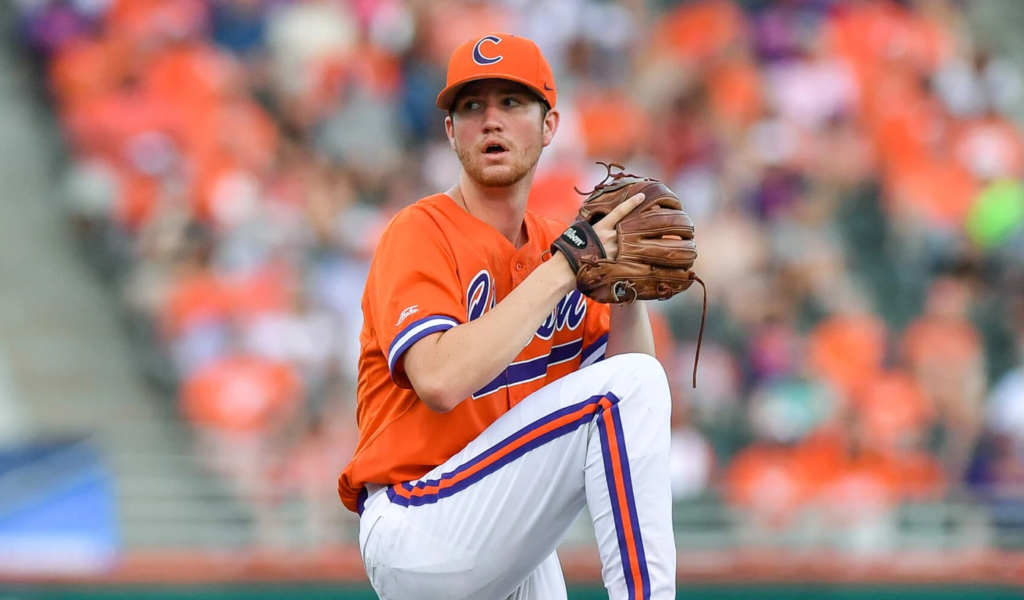
His background as a fourth-round draft pick by the Twins in 2017 from Clemson University indicates recognized collegiate talent. This suggests a player with foundational skills, now seeking to prove his readiness for consistent MLB performance and contribute to the Dodgers’ pitching needs.
Strategic Roster Management in a Competitive Landscape
The Dodgers’ proactive roster management, including the waiver claim of Barnes and Edman’s move to the 60-day IL, demonstrates a sophisticated understanding of the competitive landscape. Controlling a large number of pitchers hedges against season volatility and positions the team to adapt to unforeseen circumstances.
This strategy is vital in a league where pitching depth can differentiate playoff contenders from early exits. The capacity to absorb injuries to key personnel without a significant performance drop-off is a hallmark of well-managed organizations and a crucial competitive advantage.
Waiver Claims and Roster Flexibility Dynamics
Claiming a player off waivers, as the Dodgers did with Barnes, is a common yet strategically important maneuver. It allows teams to acquire talent without depleting minor league prospects or incurring significant trade costs, provided the player is not under contract with another MLB team.
This mechanism is vital for filling immediate roster needs or adding depth without disrupting long-term organizational plans. Barnes’s designation for assignment by the Cubs shortly before being claimed by the Dodgers highlights the rapid decision-making and opportunistic nature of these transactions.
Performance Benchmarks and Future Outlook for Barnes
Barnes’s career MLB statistics (0-3, 6.15 ERA in 10 games) present a challenge for immediate integration. However, his minor league success (3.86 ERA) suggests potential for improvement and a higher performance ceiling at the professional level.
The Dodgers’ decision to recall him indicates confidence in his ability to contribute, at least in a depth role, and potentially develop further within their system. His performance in upcoming appearances will be a key indicator of his readiness and the efficacy of the Dodgers’ player development strategies.
Institutional Strategy and Competitive Positioning
The Dodgers’ consistent investment in player development and roster construction is central to their sustained competitiveness. Their ability to identify, acquire, and integrate talent, even through waiver claims, reflects a deep organizational infrastructure.
This approach enables them to remain formidable contenders, capable of adapting to the dynamic nature of MLB seasons. The recall of Barnes is thus a component of a larger, ongoing strategy to maintain high performance and organizational resilience.
Significance of the 60-Day Injured List Maneuver
Placing Tommy Edman on the 60-day injured list strategically frees up a 40-man roster spot for Barnes without impacting the active roster. This designation is typically for players with more significant injuries, allowing teams to manage roster composition over extended periods.
This maneuver provides crucial flexibility, enabling the Dodgers to carry an additional pitcher like Barnes while effectively managing the long-term absence of a position player, highlighting the intricate tactical considerations in optimizing a 40-man roster.
Analysis of Pitching Depth and Injury Management Strategy
The recall of Charlie Barnes and Snell’s IL placement underscore the critical importance of pitching depth in modern baseball. Teams adept at managing injuries and maintaining strong rotations and bullpens possess a significant competitive advantage.
The Dodgers’ proactive acquisition and activation of Barnes demonstrate a commitment to ensuring adequate pitching resources, even when facing setbacks with established players. This strategy is essential for navigating the demands of a championship pursuit.
Competitive Advantage Derived from Roster Control
Controlling 29 pitchers, whether active or on the 60-day IL, grants the Dodgers unparalleled operational control. This facilitates greater strategic maneuverability in player assignments, call-ups, and potential trades.
This extensive control over pitching assets reflects the team’s organizational philosophy and commitment to building a deep, resilient roster capable of withstanding the rigors of a long season and playoff run.
Player Development and Performance Leverage Potential
Barnes’s history, including his minor league success, suggests the Dodgers see potential for him to provide leverage within their pitching staff. His ability to perform at a higher level than his MLB statistics might indicate could be a key factor in his recall.
The Dodgers organization is known for extracting performance from players, and Barnes’s situation offers an opportunity to demonstrate his capabilities and for the team to leverage his skills in a competitive environment.
Strategic Roster Allocation and Injury Contingency Planning
The Dodgers’ strategic allocation of roster spots, including the utilization of the 60-day injured list, is a critical component of their operational strategy. This allows for effective management of player availability and optimization of the active roster for immediate game-day needs.
By placing Edman on the 60-day IL, the team creates a buffer for longer-term injuries, ensuring immediate roster needs, such as pitching depth, are addressed without compromising future flexibility.
Economic and Competitive Ramifications of Pitching Injuries
Injuries to key pitchers like Blake Snell carry significant economic and competitive implications. The financial investment in a player of Snell’s caliber, coupled with his on-field impact, means his absence creates a void that must be filled strategically.
The Dodgers’ ability to recall Barnes, a waiver acquisition, demonstrates their capacity to find cost-effective solutions to mitigate the impact of such injuries, thus preserving their competitive standing.
Historical Context of Roster Moves and Player Acquisition Strategies
The acquisition of players via waivers and the recall of minor league talent are recurring themes in MLB roster management. Teams continuously evaluate available talent and make moves to optimize rosters based on performance, injuries, and strategic objectives.
The Dodgers’ sustained success can be partly attributed to their adeptness at navigating these roster dynamics, ensuring they remain consistently positioned to contend for championships.
Role of Analytics in Dodgers’ Player Evaluation and Roster Decisions
While not explicitly detailed, the Dodgers’ sophisticated roster management likely incorporates advanced analytics in player evaluation. This includes assessing potential, injury risk, and fit within the team’s overall strategy.
The recall of Barnes, a player with a mixed MLB record but solid minor league performance, suggests a data-driven assessment of his capabilities and potential contribution to the team’s pitching depth.
Stakeholder Impact: Players, Management, and Fans
For Charlie Barnes, this recall signifies a crucial opportunity to prove his value and secure a more stable MLB position. For Dodgers management, it’s a calculated move to maintain competitive advantage and manage risk. For fans, it reflects the team’s commitment to addressing needs and pursuing a championship, even amidst injury-related uncertainty.
Strategic front-office decisions directly impact on-field performance and fan expectations, creating a dynamic interplay of performance, investment, and support.
Long-Term Strategic Vision and Roster Sustainability
The Dodgers’ approach to building and managing their roster, including the acquisition of players like Barnes, reflects a long-term strategic vision. They prioritize organizational depth and flexibility to ensure sustained competitiveness year after year.
This focus on roster sustainability enables them to weather the inevitable challenges of a long MLB season and remain perennial contenders, demonstrating a commitment to building a robust and adaptable organization.