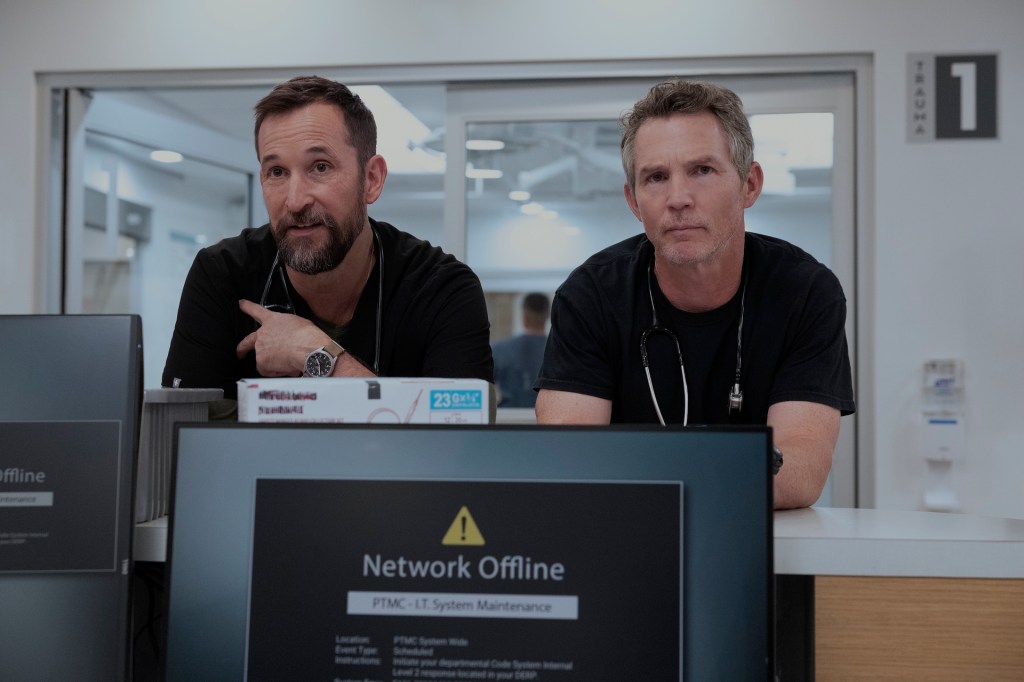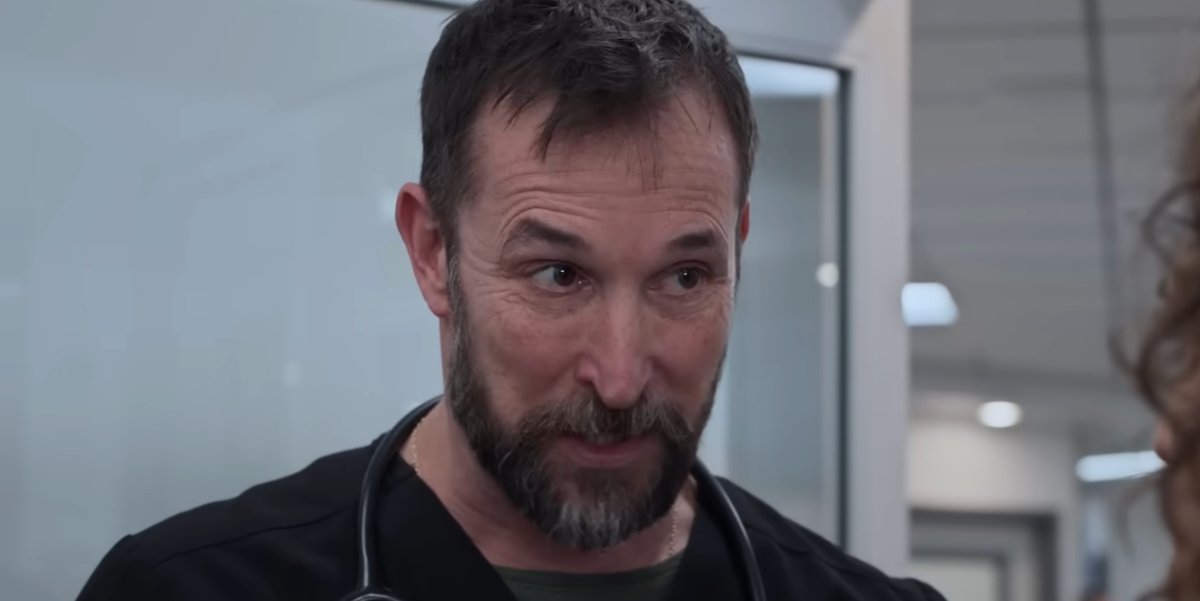
The recent executive presentation by Noah Wyle and Katherine LaNasa at the Warner Bros. Discovery Upfronts serves as a significant indicator of the procedural drama’s role in subscriber retention. By detailing the production roadmap for Season 3, the studio signaled a transition from establishing the IP to optimizing its narrative and operational lifecycle. This strategy leverages established star equity to anchor Max’s premium scripted content amid intensifying competition in the medical procedural genre.
Operational Efficiency and Production Synchronicity
The timeline—initiating the writers’ room in March for a June production start—illustrates a highly disciplined pipeline. This three-month lead suggests an optimized creative-to-production handoff designed to mitigate the overhead common in high-volume dramas. Under executive producer John Wells, the series employs a momentum-driven model; by securing a June start, the production bypasses late-summer industry congestion, ensuring facility and talent availability ahead of the autumnal production surge. This logistical foresight provides a predictable window for post-production, allowing Warner Bros. Discovery to stabilize its release cadence and fiscal reporting.
Thematic Strategic Shift: The November Framework
Season 3’s pivot to an early November setting represents a calculated shift in narrative architecture. Moving away from the July 4th backdrop of Season 2, this seasonal alignment allows the series to explore the ‘holiday stress’ phenomenon—a period of peak clinical volume and systemic hospital strain. Wyle’s emphasis on “emergencies, confrontations, and complications” suggests a focus on the intersection of public health crises and individual physician burnout, a hallmark of the Wellsian approach to medical realism.
Institutional Critique and Demographic Targeting
The selection of the November timeframe—specifically encompassing Veterans Day—facilitates a deepening of the show’s commitment to veteran-centric subplots. By utilizing characters like Dr. Jack Abbot and Dr. Baran Al-Hashimi to navigate institutional healthcare barriers, the series moves beyond formulaic drama into socio-political commentary. This focus targets a specific cultural demographic while addressing systemic issues within the American medical infrastructure, distinguishing *The Pitt* from more escapist medical programming.
Market Positioning and Stakeholder Assurance
For investors, the transparency of this production cycle serves as a proof of concept for Max’s long-term scripted viability. The strategic disclosure of thematic shifts (such as the November setting) serves as a narrative hook for advertisers, promising a ‘prestige’ atmosphere that aligns with high-value demographic targets during the Q4 corridor. Ultimately, the synergy between the show’s operational efficiency and its deepened thematic resonance positions *The Pitt* as a cornerstone asset for Warner Bros. Discovery in an era of content consolidation.