The initial roster reveal for the 35th season of Dancing with the Stars (DWTS) represents a sophisticated evolution in Disney’s talent acquisition model. By leveraging the high-visibility environment of the Disney Upfronts to debut Jackson Olson, Ciara Miller, and Maura Higgins, the network has signaled a pivot toward ‘audience portability.’ This strategy prioritizes performers with self-contained digital ecosystems over traditional celebrity archetypes, aiming to mitigate the risks associated with a fragmented linear television market.
The ‘Banana Ball’ Effect: Integrating Viral Sports Entertainment
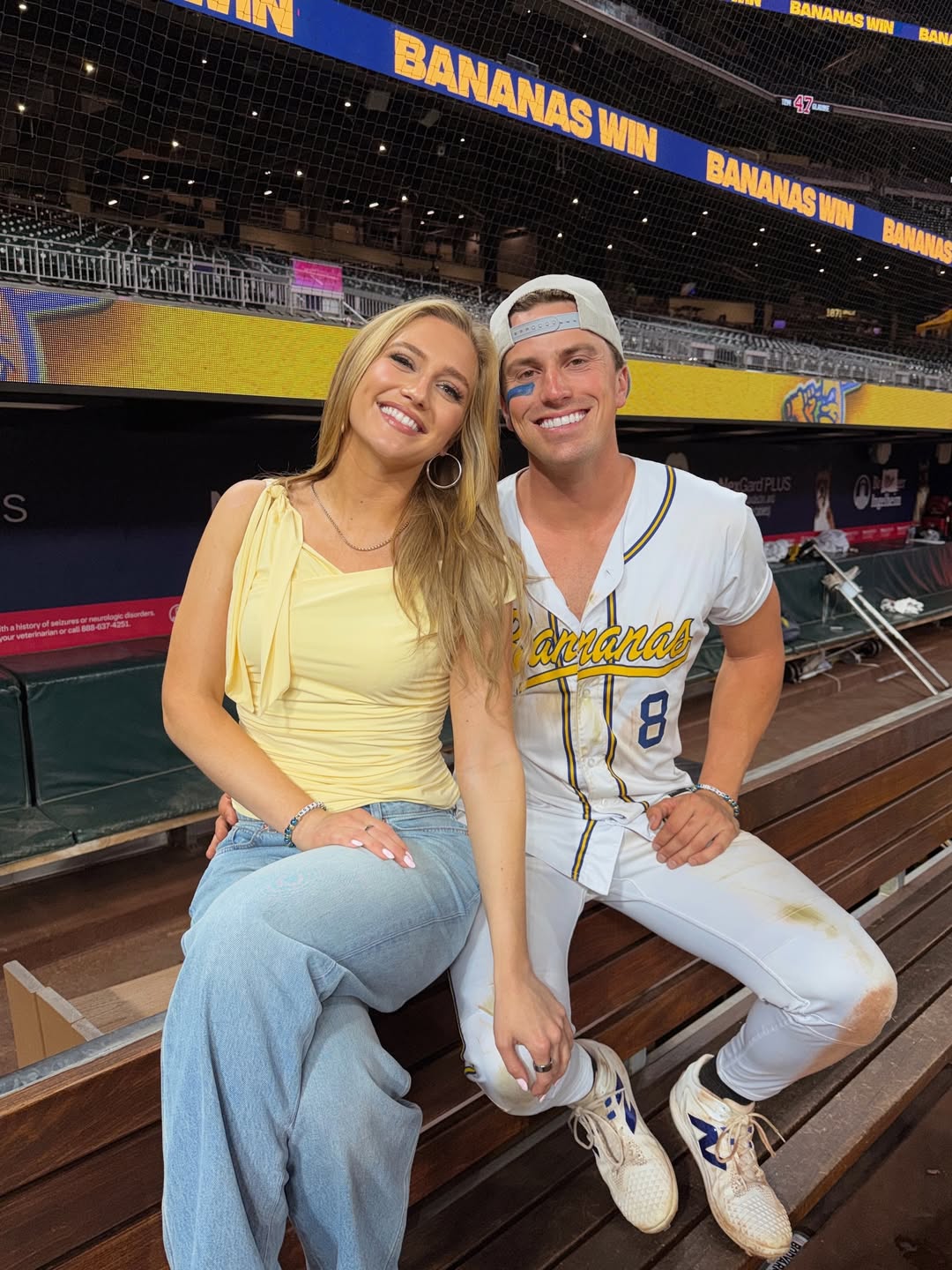
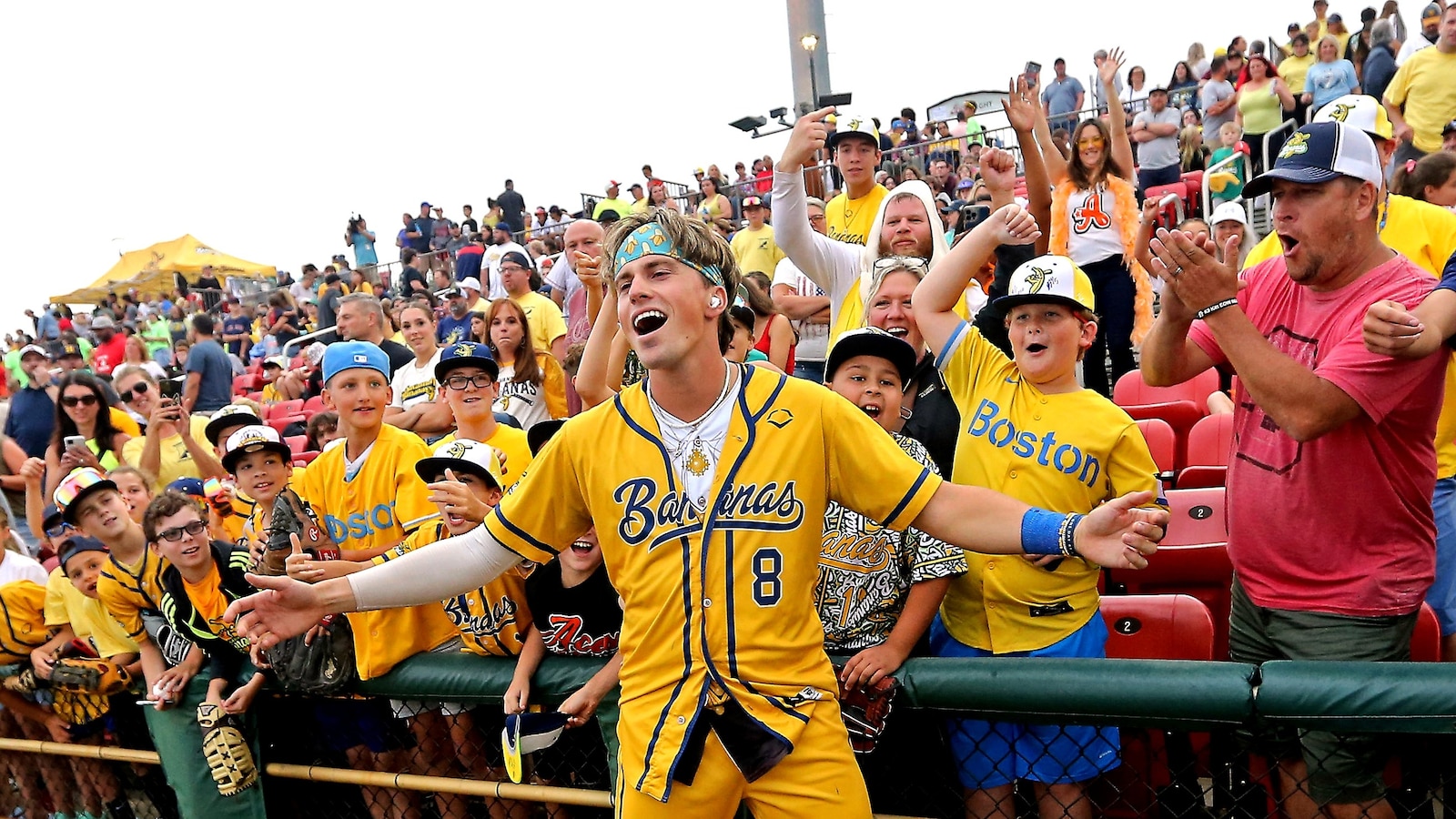
Jackson Olson’s transition from the Savannah Bananas to the DWTS ballroom is a primary case study in niche-to-mainstream convergence. As a cornerstone of a team that has successfully disrupted exhibition baseball through short-form social content, Olson provides Disney with direct access to a younger, high-engagement demographic. This isn’t merely a casting choice; it is a strategic alignment with the ‘Banana Ball’ phenomenon—a brand built on entertainment-first athletics that mirrors the performance requirements of the DWTS stage.
Olson’s public narrative—specifically his use of TikTok to ‘manifest’ his participation—underscores a new recruitment pipeline where digital-first stars leverage their own viral momentum to bypass traditional talent agencies. For production, Olson represents a low-risk, high-reward asset: an athlete already conditioned for live choreography and public-facing entertainment, reducing the production overhead typically required for the early-season learning curve.
Leveraging Reality TV Ecosystems for Audience Retention
The inclusion of Maura Higgins (Love Island, The Traitors) and Ciara Miller (Summer House) reinforces Disney’s reliance on established reality television pipelines to secure consistent viewership metrics. These stars represent the Bravo and ITV ‘super-fans’ who are historically predisposed to voting-based competition formats. This selection strategy maximizes viewer retention across the tripartite distribution model of ABC, Disney+, and Hulu, ensuring the show functions as a hub for diverse streaming subcultures.
Furthermore, the strategic timing of these announcements serves as a proof-of-concept for advertisers. By showcasing talent with significant social media sentiment, Disney positions DWTS as a premium vehicle for ‘socially-integrated’ advertising, where the cast’s personal platforms amplify the network’s promotional reach. The presence of Higgins and Miller ensures a baseline of narrative engagement and digital discourse that sustains the franchise between weekly broadcasts.
Intergenerational Validation and Media Legacy
The endorsement of Jackson Olson by Maggie Sajak—social correspondent for Wheel of Fortune and daughter of television veteran Pat Sajak—adds a layer of institutional legitimacy to the viral pivot. This interaction represents a fusion of legacy media dynasties with the new wave of digital celebrity. Sajak’s vocal support functions as an organic marketing channel, providing Olson with cultural capital that resonates with the show’s traditional, older viewer base while maintaining his modern appeal.
Distribution Mechanics and the 2026 Roadmap
The operational rollout follows a disciplined institutional pattern. While the initial reveal occurred in May, the full professional dancer and celebrity roster is scheduled for a September 2026 debut on Good Morning America (GMA). This staggered release is designed to maintain narrative momentum through the summer, utilizing GMA as a top-of-funnel driver for search volume and social engagement.
As the competition moves toward the fall 2026 premiere, the focus remains on the Len Goodman Mirrorball Trophy—a branding element that preserves the show’s prestige amidst its modern transformation. The success of Season 35 will serve as a litmus test for Disney’s ability to merge live broadcast tradition with the demands of the digital attention economy. In an era where unscripted programming faces intense competition from short-form platforms, Disney is betting that the ballroom can remain the center of the cultural conversation through sheer digital synergy.