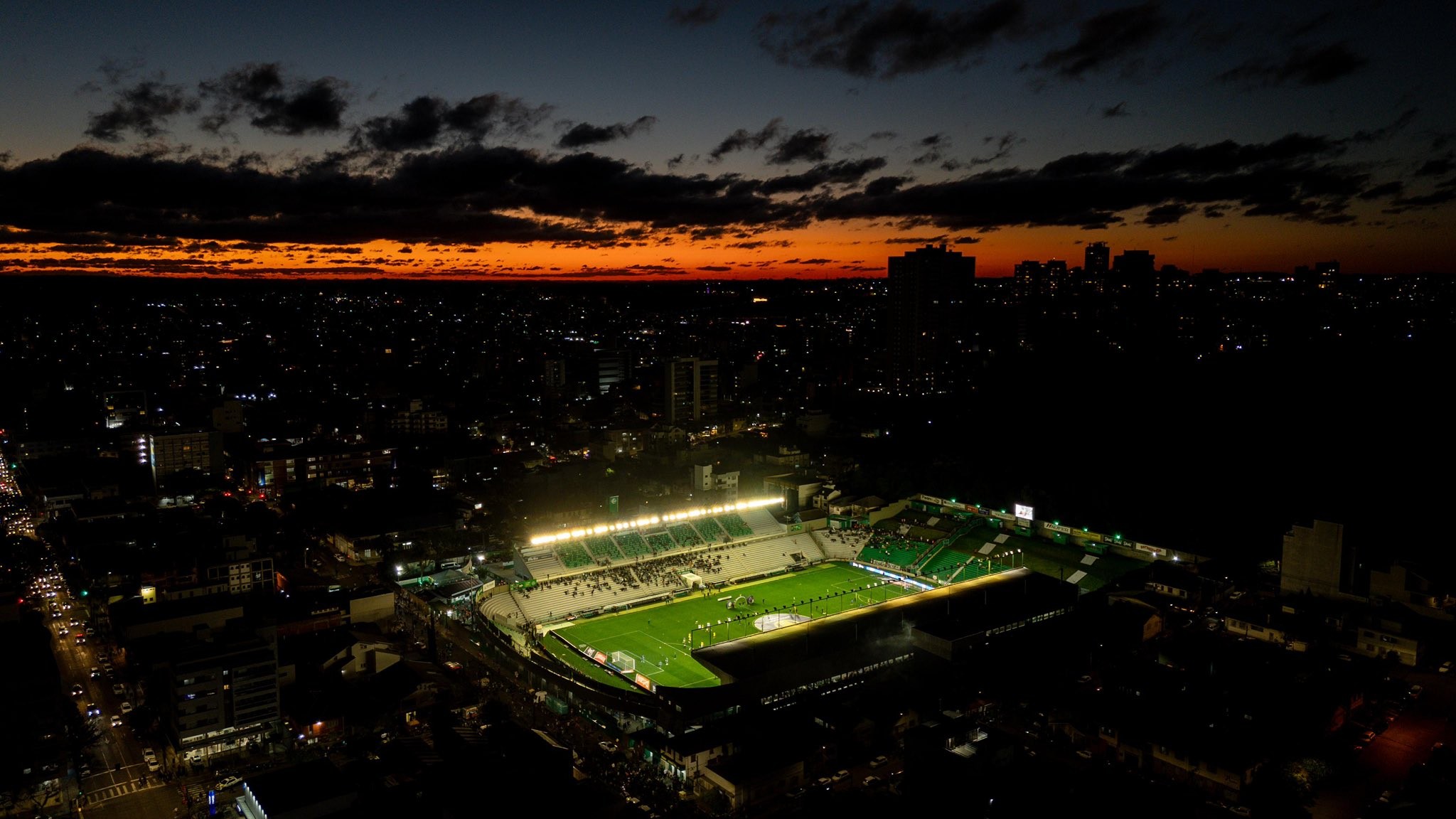
The second leg between Juventude and São Paulo at the Estádio Alfredo Jaconi serves as a definitive case study in the high-stakes environment of the Copa do Brasil. Beyond the quest for a Round of 16 berth, the fixture highlights a profound strategic asymmetry: São Paulo must manage a narrow 1-0 aggregate advantage amid institutional volatility, while Juventude seeks to leverage a superior momentum profile to bridge the divisional gap between Série A and Série B.
Fiscal Liquidity and the Prize Money Metric
As South America’s most lucrative domestic knockout tournament, the Copa do Brasil functions as a primary driver of seasonal liquidity. For Juventude, the prize money associated with advancement represents a transformative budgetary injection, essential for maintaining competitive parity despite the revenue constraints of the second tier. Conversely, for São Paulo, qualification is an existential requirement to satisfy projected commercial targets and preserve the valuation of its corporate assets. Failure to progress would trigger not only a fiscal shortfall but a significant erosion of stakeholder confidence.
Managerial Tenure Under Scrutiny
The technical staff at São Paulo faces acute pressure following a sequence of inconsistent domestic results. The 1-0 lead, while providing a tactical buffer, acts as a psychological trap; it necessitates a balance between defensive rigidity and the risk of passivity. On the opposing bench, Juventude benefits from a stabilized tactical identity, characterized by a multi-match unbeaten streak. This momentum provides a psychological edge, allowing the Gaúcho side to dictate the tempo and exploit any hesitation in the visitor’s defensive transition.
The ‘Jaconi’ Factor and Environmental Variables
The Estádio Alfredo Jaconi introduces a unique operational variable: the regional microclimate and specific pitch textures of Rio Grande do Sul. These factors often disrupt the technical rhythm of teams accustomed to the high-speed surfaces of metropolitan centers. Juventude’s strategy hinges on a high-intensity offensive onset to neutralize the aggregate deficit early, testing the depth of the São Paulo roster and their ability to adapt to a physically demanding environment under intense atmospheric pressure.
Institutional Exposure and Scouting Implications
The broader context of the match is underscored by the CBF’s recent administrative activity regarding national team scouting. Performance in high-leverage knockout environments remains a critical metric for the technical commission’s evaluation of domestic talent. With comprehensive broadcast coverage amplifying the individual brands of the players, the match serves as a high-visibility platform for market valuation, where a single tactical error or a moment of individual brilliance can redefine a player’s career trajectory and a club’s commercial leverage.