The Strategic Calculus of Intentional Walks
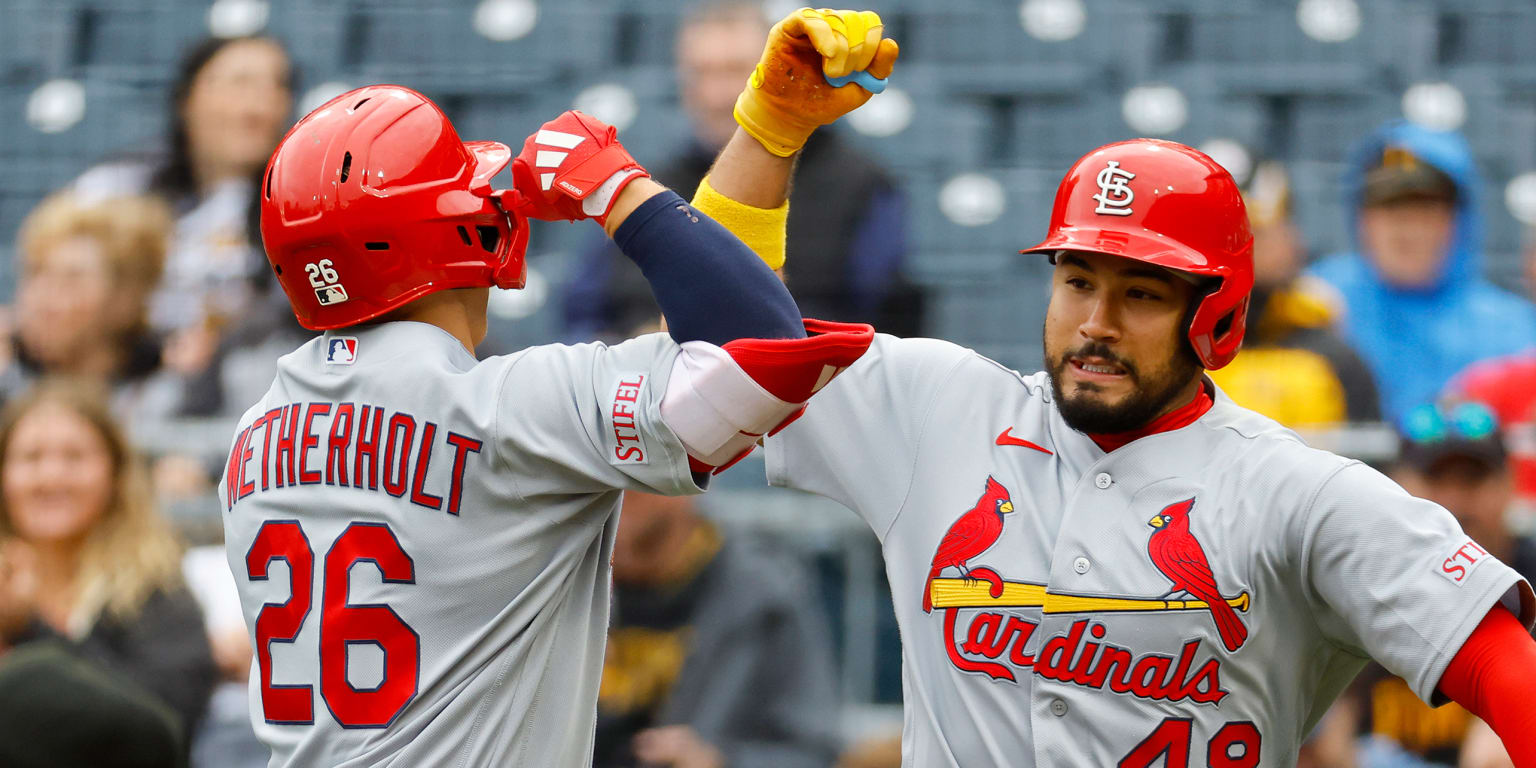
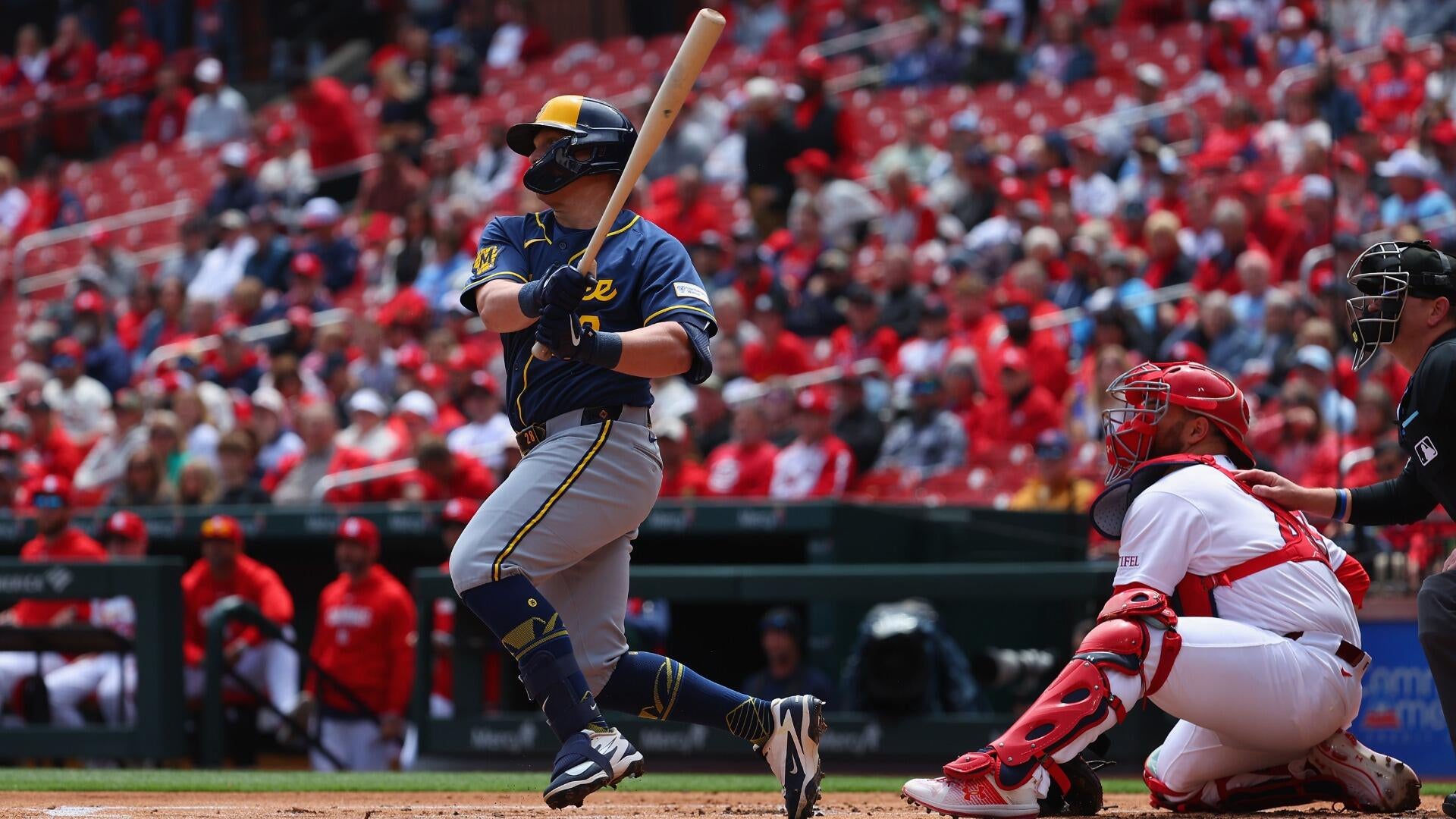
The Milwaukee Brewers’ decision to intentionally walk JJ Wetherholt to face Iván Herrera with the bases loaded at Busch Stadium serves as a critical case study in tactical risk management. In high-leverage situations, managers often lean on static scouting reports and historical performance data, yet this sequence highlights the volatility of evaluating emerging talent. By bypassing a touted prospect for what they perceived as a favorable matchup, the Brewers shifted the leverage to the Cardinals; Herrera’s subsequent bases-clearing double proved that failing to account for real-time development is a fundamental analytical error.
Institutional Miscalculations in Talent Evaluation
Professional baseball frequently struggles to bridge the gap between established reputation and current output. While prospects like JJ Wetherholt command significant media attention, players like Herrera represent organizational depth capable of dictating game outcomes. Herrera’s post-game admission—that he felt viewed as a liability—underscores the psychological dimension of professional play. When organizations signal disrespect through tactical decisions, it often acts as a performance catalyst, effectively punishing opponents for their analytical oversight.
Operational Impact on NL Central Dynamics
The Cardinals’ 6-3 victory underscores a shift in the competitive equilibrium of the National League Central. Effective situational hitting, evidenced by the contributions of Masyn Winn, Victor Scott II, and Herrera, reflects an offensive strategy predicated on collective output. For the Brewers, the loss illustrates the hazards of rigid defensive positioning in a division where marginal gains determine postseason eligibility. The Cardinals’ success in this sequence demonstrates an operational discipline that forces opponents to expend extra resources on players previously dismissed as secondary threats.
The Economics of Underrated Assets
Identifying high-production, low-cost assets is the primary driver of modern competitive success. Since his promotion, Herrera has evolved into a cornerstone asset whose value is currently under-indexed in industry discourse. Organizations that fail to adjust scouting models to accommodate rapid player progression invite significant strategic exposure. The cost of miscalculating a player’s utility is not merely the loss of a single game, but a sustained competitive disadvantage as the league trends toward data-driven, high-efficiency roster construction.