Hantavirus Outbreak on MV Hondius Prompts Health Scrutiny
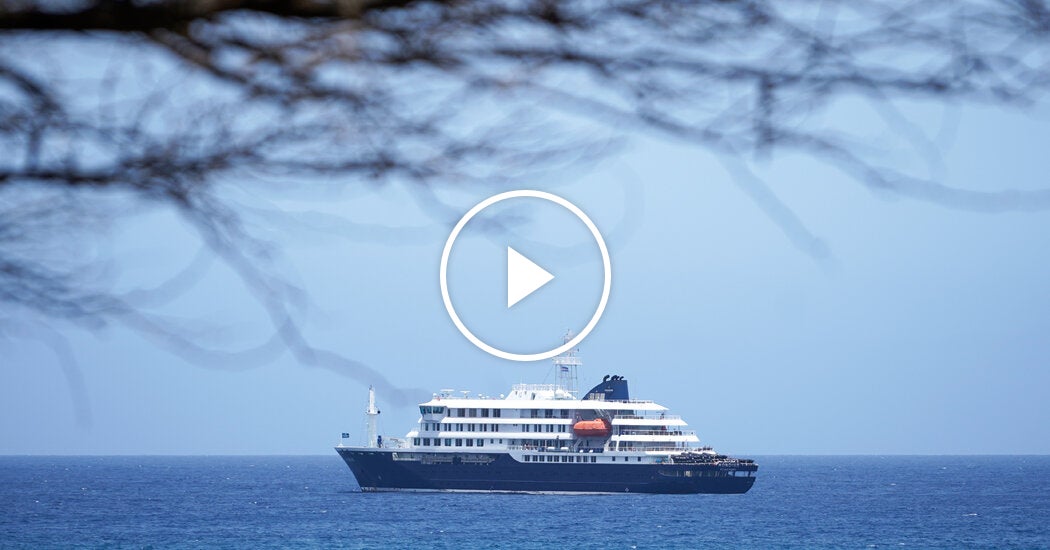
A rare hantavirus outbreak aboard the MV Hondius cruise ship has resulted in three confirmed deaths and five suspected cases, prompting an ongoing investigation by health authorities. The vessel’s voyage from Argentina to Cape Verde became the focal point of a public health alert as medical evacuations commenced, underscoring potential disease transmission risks in confined maritime environments.
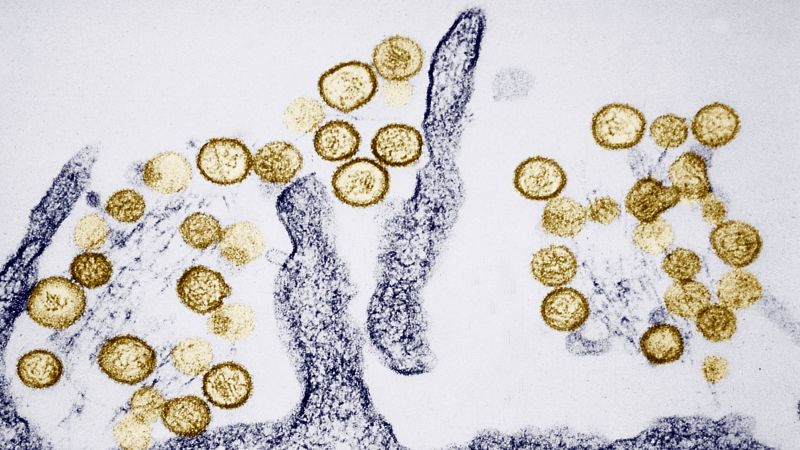
Hantavirus, typically transmitted via airborne particles from infected rodent excreta, presents with flu-like symptoms that can rapidly progress to severe respiratory distress, organ failure, and fatality. While the World Health Organization (WHO) has stated the immediate risk to the general public remains low, the circumstances of its emergence and spread on a cruise ship have raised expert questions regarding environmental controls and passenger safety protocols.
Transmission Dynamics and Epidemiological Puzzlement
The precise transmission pathway of hantavirus on the MV Hondius remains unclear, a critical aspect for epidemiological analysis. Human infection typically occurs through inhalation of aerosolized virus from dried rodent droppings, often during activities like cleaning or disturbing rodent habitats. The closed ecosystem of a cruise ship presents unique challenges in understanding how such exposure could occur and disseminate among passengers and crew.
This incident necessitates a re-evaluation of standard hygiene and pest control measures within the cruise industry, particularly for vessels operating in regions with potential rodent populations. The delay between initial flu-like symptoms and severe complications highlights diagnostic challenges and the crucial need for swift medical intervention, complicated by the logistical hurdles of maritime healthcare.
Institutional Response and Public Perception
The WHO’s assessment of low public risk aims to temper widespread alarm; however, the confirmed fatalities and ongoing investigations foster uncertainty for those directly impacted and the broader travel industry. The rapid medical evacuation of sick individuals from the MV Hondius signifies a critical incident response, requiring coordination between governmental and health authorities to manage a severe, localized health crisis.
For passengers and crew, immediate concerns center on safety, accurate information, and repatriation. This event could impact traveler confidence and necessitate enhanced health screening and containment protocols for future voyages, especially on routes traversing areas with known rodent-borne disease risks.
Broader Implications for Maritime Health Security
The hantavirus outbreak on the MV Hondius highlights vulnerabilities in global travel, particularly within the cruise sector. It underscores the importance of robust, adaptable public health frameworks for addressing rare but highly pathogenic diseases in diverse operational environments.
The incident’s impact extends beyond immediate health concerns to potential insurance liabilities, operational costs for cruise lines, and the regulatory landscape for maritime sanitation and disease prevention. Stakeholders, including cruise operators, health organizations, and regulatory bodies, are likely to scrutinize existing protocols to prevent future occurrences and ensure passenger well-being.
Strategic Imperatives for the Cruise Industry
The cruise industry’s competitive standing relies heavily on perceptions of safety and reliability. An outbreak of a severe, albeit rare, disease like hantavirus can inflict significant reputational and financial damage, potentially affecting booking trends and market share.
Cruise lines may need to enhance investments in advanced pest management systems, environmental monitoring, and onboard medical facilities. The strategic imperative involves demonstrating proactive risk mitigation and transparent, rapid response capabilities to maintain traveler confidence and regulatory compliance.
Capital Investment in Health Infrastructure
Future capital investments in the cruise sector may increasingly prioritize health infrastructure, including advanced air filtration systems, enhanced sanitation technologies, and more comprehensive onboard medical facilities. This shift reflects a growing understanding of health as a critical component of operational resilience and customer value.
The financial markets are likely to reward companies demonstrating a strong commitment to health and safety, potentially influencing stock valuations and access to capital. This trend could accelerate the adoption of new technologies and best practices across the industry.
Performance Metrics and Operational Excellence
The incident will prompt a re-examination of key performance indicators (KPIs) within the cruise industry. Health and safety compliance will gain prominence alongside traditional metrics like occupancy rates and revenue per passenger.
Operational excellence will be redefined to encompass seamless health crisis management, effective disease surveillance, and rapid, efficacious response protocols. Companies excelling in these areas may establish new industry benchmarks.
Competitive Differentiation Through Health Protocols
Robust health and safety protocols can serve as a significant competitive differentiator in the cruise market. Lines that credibly assure passengers of their commitment to preventing and managing infectious diseases may attract a larger, more loyal customer base.
This could foster a ‘race to the top’ in health standards, benefiting consumers and driving innovation. The MV Hondius event may ultimately catalyze positive changes in industry-wide health management practices.
Stakeholder Confidence and Market Recovery
Rebuilding stakeholder confidence post-outbreak requires consistent communication, demonstrable improvements in safety measures, and transparency from all parties. The cruise industry’s market recovery speed and nature will depend on its collective ability to address concerns raised by this incident and reinforce its reputation as a safe travel mode.
Institutional Learning and Policy Evolution
The hantavirus outbreak on the MV Hondius offers critical learning opportunities for international health organizations, maritime regulators, and the cruise industry. Insights from investigating transmission dynamics and response effectiveness will inform future policy development.
This could lead to updated international maritime health regulations, revised guidelines for vessel disease surveillance, and enhanced collaboration between public health agencies and the private sector to address emerging health threats in transit environments.
Strategic Imperatives for Future Preparedness
The incident underscores the strategic imperative for the cruise industry to transition from reactive crisis management to proactive, integrated health security strategies. This involves continuous risk assessment, investment in preventative technologies, and the development of agile response mechanisms.
Companies embedding health preparedness into their core business strategy will be better positioned to navigate future health challenges, ensuring operational continuity and safeguarding their brand reputation in an increasingly health-conscious global market.