Defensive Instability and Structural Exposure
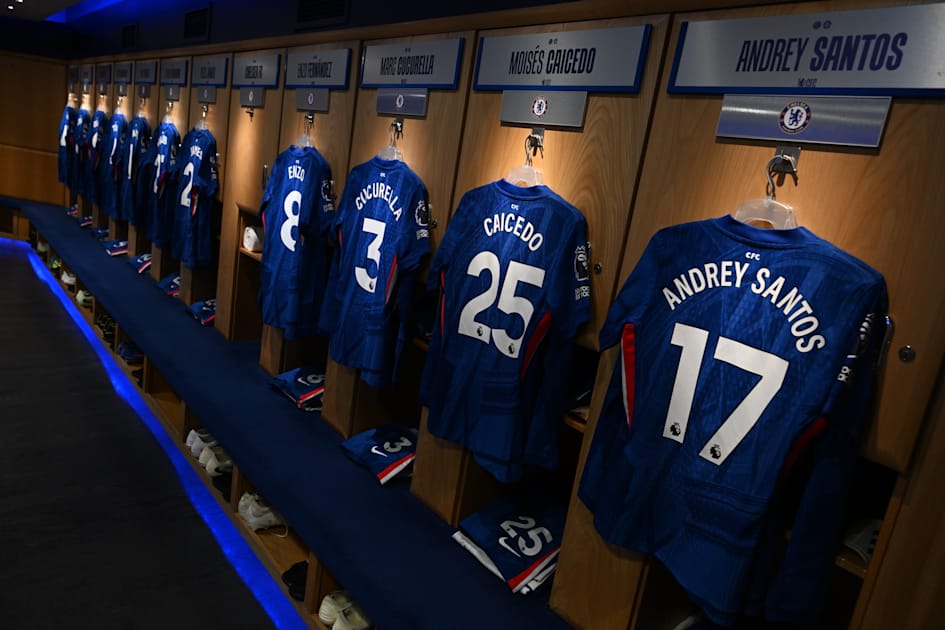
Chelsea’s recent Premier League fixture against Nottingham Forest exposed systemic failures in the team’s defensive architecture. An early penalty concession—originating from a tactical foul by Malo Gusto—served as a catalyst for renewed scrutiny of the backline’s cohesion. The defensive quartet of Gusto, Trevoh Chalobah, Tosin Adarabioyo, and Marc Cucurella struggled to maintain vertical compactness, highlighting an ongoing inability to suppress high-pressure transitions.
Strategic Youth Integration and Risk Assessment
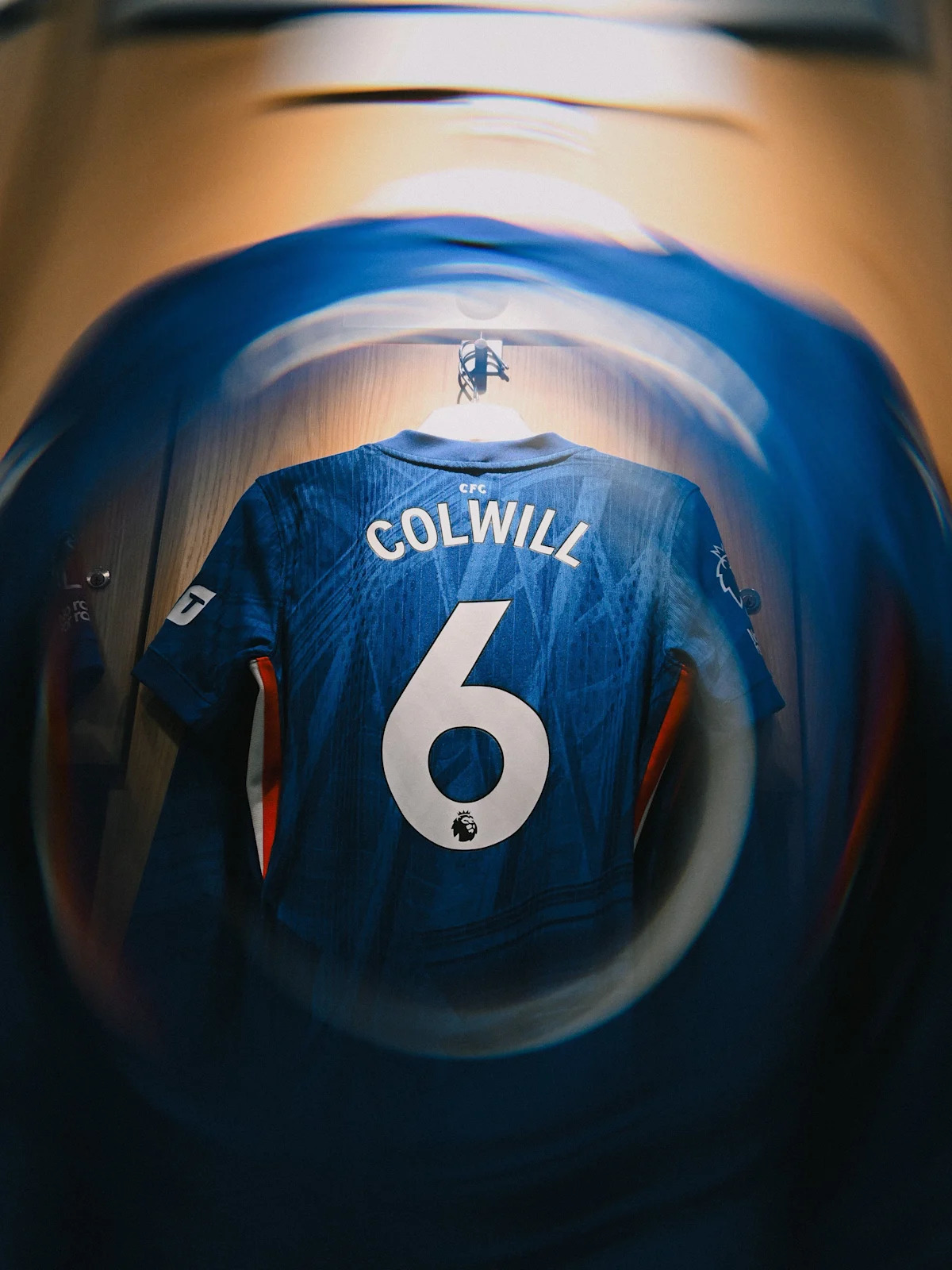
Interim head coach Calum McFarlane’s decision to deploy teenage forward Jesse Derry into the starting XI underscores a definitive shift toward developmental reliance. While this provides immediate tactical unpredictability, it exacerbates the squad’s lack of high-level experience. Furthermore, the inclusion of Levi Colwill in the match-day squad marks a vital, if cautious, phase in the club’s injury-recovery protocol. After nine months sidelined by an ACL injury, Colwill’s presence functions primarily as a psychological milestone and a long-term asset protection measure, rather than an immediate tactical panacea.
Institutional Constraints and Injury Management
The club is currently navigating a severe depletion of depth, with prolonged absences—notably Reece James—forcing a rigid, risk-averse bench configuration. The lack of offensive personnel, particularly given the absences of players like Alejandro Garnacho and Pedro Neto, severely limits McFarlane’s capacity for in-game tactical adjustments. This institutional reliance on incremental return-to-play timelines reflects a prioritisation of future capital value over short-term match-day results, signaling a shift in administrative focus toward future campaigns.
Analytical Performance Metrics
Chelsea’s performance across 35 matches reveals a team oscillating between tactical concepts without establishing a definitive identity. Statistical variance in goal output and points efficiency suggests a lack of equilibrium between the midfield pivot—anchored by Moises Caicedo and Romeo Lavia—and the defensive unit. The failure to minimize high-impact defensive errors remains the primary inhibitor of upward movement in the league table. As the season concludes, the club’s success hinges on synthesizing this developmental model with the reintegration of returning core assets, ultimately dictating their long-term competitive trajectory.