Premier League Showdown: High Stakes for European Qualification
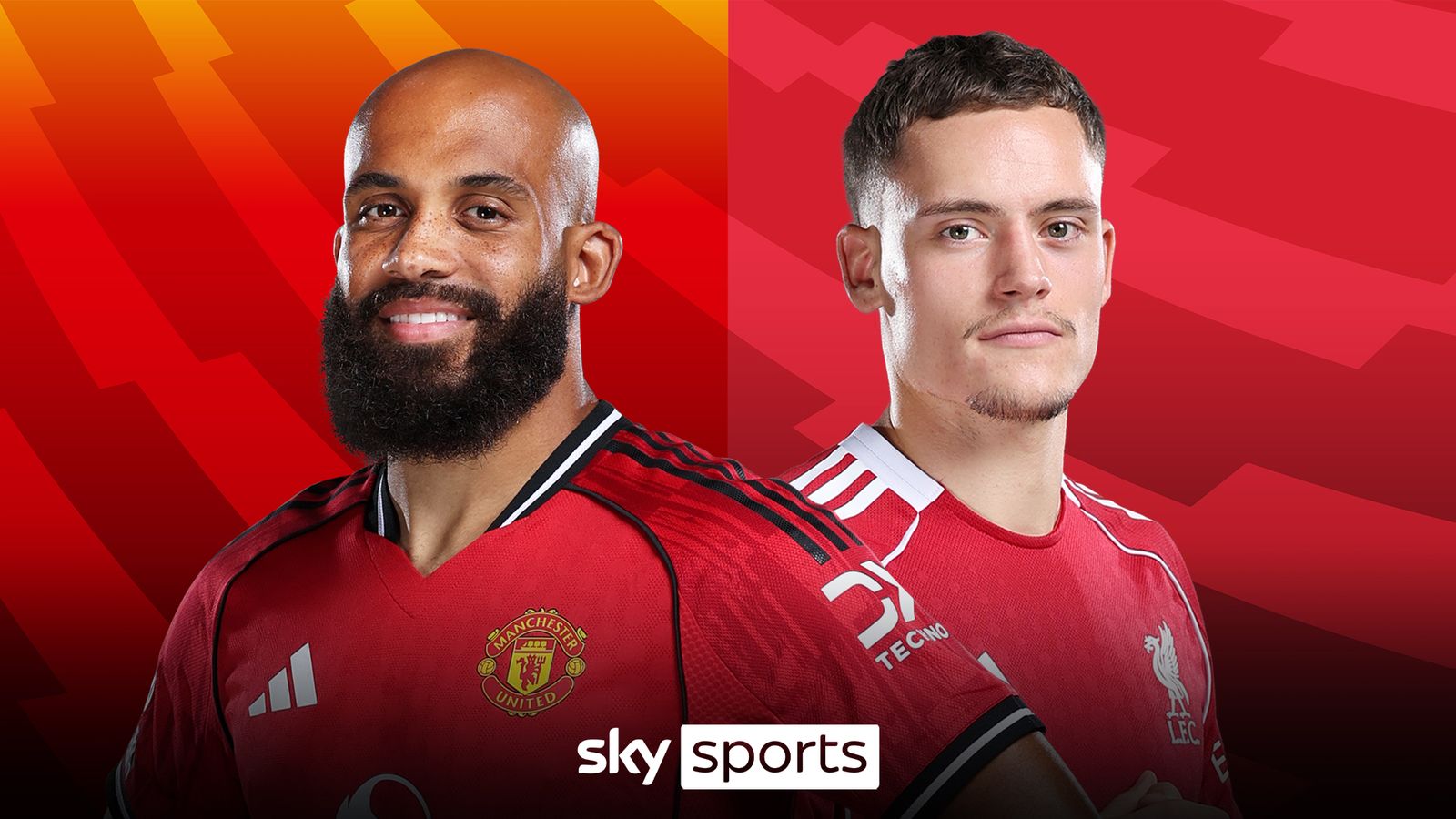
This pivotal Premier League fixture between Manchester United and Liverpool at Old Trafford holds immense significance for UEFA Champions League qualification. Beyond the historical rivalry, the outcome will directly dictate immediate financial gains, transfer market leverage, and long-term strategic direction for both clubs, operating within the intensely competitive global football landscape.
Manchester United currently holds third position with 61 points from 34 games, maintaining a precarious three-point lead over fourth-placed Liverpool, who sit on 58 points from the same number of matches. This razor-thin margin exacerbates the competitive pressure, transforming the fixture into a six-point swing opportunity and directly shaping their probability of securing lucrative elite European competition.
Further analytical depth reveals Manchester United’s marginal yet crucial superior goal difference of +14, compared to Liverpool’s +13. This metric, often overlooked, could prove pivotal in breaking a points tie, underscoring the aggregate offensive potency and defensive solidity that has underpinned their respective campaigns and reflecting nuanced tactical adaptations throughout the season.
Liverpool approaches this critical derby with significant momentum, having secured three consecutive league victories. This recent resurgence has not only solidified their hold on a Champions League qualification spot but also positioned them to mount a direct, aggressive challenge to Manchester United’s currently more secure, yet vulnerable, standing.
Strategic Imperatives and Financial Leverage
Champions League Qualification: A Cornerstone of Club Strategy
Securing a UEFA Champions League berth is a paramount strategic imperative for elite clubs like Manchester United and Liverpool. Far beyond mere sporting prestige, qualification directly underpins their financial stability, generating multi-million-pound revenue streams from UEFA broadcast rights, performance-based prize money, and significantly amplified commercial appeal, thus forming an indispensable component of their annual operating budgets.
This substantial financial uplift directly translates into enhanced leverage in the global transfer market, bolstering a club’s capacity for acquiring elite talent and retaining key players through competitive contracts. This virtuous cycle of investment reinforces competitive strength, sustains a trajectory of high performance, and in turn, attracts more lucrative global sponsorships and deeper fan engagement, solidifying long-term brand equity.
For Manchester United, a positive result—avoiding defeat in this fixture, or a simultaneous failure by Bournemouth to beat Crystal Palace—could effectively guarantee their Champions League spot. Such an outcome offers considerable strategic flexibility, enabling the manager to critically manage player load, implement squad rotation, and refine tactical approaches in subsequent league fixtures, thereby optimizing long-term squad health, competitive readiness, and potentially preparing for future campaigns.
Conversely, a decisive victory for Liverpool at Old Trafford would see them displace Manchester United in the league standings, securing a significantly more advantageous position for the season’s critical final stretch. This tactical shift would not only provide a crucial psychological boost but also directly enhance their prospects for higher prize money allocations, bolster their negotiating power in future commercial partnerships, and improve seedings in European draws.
Even within the coveted top four, the nuanced difference in final league position can profoundly influence a club’s brand valuation and global marketability. Higher finishes attract more lucrative commercial partnerships, enhance sponsor appeal, and robustly reinforce a club’s perception as a consistent contender at the sport’s pinnacle, directly impacting merchandise sales, digital content engagement metrics, and long-term international fan acquisition.
Managerial Perspective and Operational Focus
The home side’s manager characterized this upcoming match as a “one-off game,” a sentiment underscoring the fixture’s unique intensity and its deep historical significance that transcends a standard league encounter. This perspective highlights a tactical focus on immediate performance, acknowledging the profound cultural weight and reputational implications this derby carries for the institution and its global fanbase.
The home side’s ambition to “complete the double” over their rivals, building on a prior 2-1 victory at Anfield, represents a potent operational objective. Accomplishing this would not only secure critical league points but also inflict a significant psychological blow on a direct competitor, demonstrably reinforcing team morale, tactical confidence, and sending a clear statement of competitive ascendancy.
This intense managerial focus on the individual fixture, despite its broader league implications, epitomizes a common strategic paradigm in high-stakes encounters: treating it as a discrete, decisive challenge demanding maximum concentration and highly tailored tactical execution. This approach is designed to eliminate external distractions, channel collective energy, and optimize the immediate performance output required for victory.
The widely acknowledged “mind-boggling” interest and “amount of eyes” on this fixture underscore the immense media scrutiny and unparalleled global audience engagement it commands. This amplified public attention intensifies performance pressure on players and coaching staff, elevating the event into a major cultural spectacle with profound reputational implications for both clubs’ standing and global brand perception.
For Liverpool, the immediate challenge is to sustain their formidable winning momentum against a direct rival, particularly away from home turf. The strategic implications extend beyond merely securing points; it requires demonstrating the team’s resilience and capacity to perform under intense, adversarial pressure—a crucial litmus test for future competitive campaigns and the ongoing development of the squad.
Media Landscape and Commercial Ecosystem
Broadcast Rights and Audience Engagement
The multi-platform broadcast arrangements for the Manchester United vs. Liverpool match, featuring live coverage on Sky Sports and flexible streaming options via NOW passes, exemplify the sophisticated commercialization driving top-tier football. These integrated distribution strategies are meticulously designed to maximize global audience reach, monetize diverse fan segments, and ensure accessibility across evolving consumption habits.
Sky Sports’ exclusive broadcast rights for this high-profile Premier League derby explicitly underscore the substantial, strategic investment media corporations commit to securing premium sports content. This investment is rigorously predicated on the fixture’s proven ability to attract monumental viewership figures, thereby driving new subscriptions, retaining existing ones, and generating significant advertising revenue, fundamentally reinforcing the intricate economic model of modern sports broadcasting.
The strategic provision of streaming passes for non-Sky subscribers reflects an adaptive, forward-thinking approach to cater to evolving digital consumption habits, particularly among younger, mobile-first demographics who prioritize flexible, on-demand access. This effectively broadens the revenue base for both broadcasters and the league, critically extending the commercial footprint of the event far beyond traditional cable subscribers and future-proofing audience engagement.
The widely acknowledged “mind-boggling” global interest in this fixture directly translates into substantial, tangible economic value for the Premier League and its broadcast partners. Record viewership figures for such marquee matches serve as indispensable critical data points, significantly influencing the valuation and negotiation of future multi-billion-pound media rights deals, which collectively represent the largest single revenue stream for the league and its member clubs.
This extensive media coverage concurrently functions as an unparalleled global marketing platform for both Manchester United and Liverpool, powerfully enhancing their international brand recognition and attracting new demographics of fans in emerging markets. The immense exposure generated by such a widely watched event is instrumental in their ability to secure lucrative multi-national sponsorship agreements and strategically expand their global commercial operations, fostering a truly worldwide footprint.
Historical Rivalry and Brand Value
The designation of this fixture as the “218th meeting” between Manchester United and Liverpool underscores a profoundly deep-seated historical rivalry that fundamentally transcends ephemeral contemporary league standings. This enduring narrative represents a significant, invaluable intangible asset, consistently fueling intense fan passion, generating compelling media narratives, and sustaining commercial interest across multiple generations of supporters and partners.
The pervasive historical context of these “fiercest adversaries” imbues the match with a distinct emotional intensity that profoundly differentiates it from other league encounters. This cultural resonance directly translates into tangible commercial benefits: driving premium ticket demand, stimulating increased merchandise sales, and elevating media engagement metrics, thereby generating significant additional revenue streams for both clubs and enriching the broader football economy.
For Manchester United, the strategic prospect of “completing the double” over Liverpool adds a critical layer of historical significance to the match. Accomplishing this rare feat against such a formidable, long-standing rival not only confers immediate bragging rights but powerfully reinforces the club’s competitive dominance within a specific season, profoundly impacting fan sentiment, bolstering internal morale, and influencing perceptions of institutional strength.
The palpable anticipation surrounding this derby is a powerful testament to the enduring, almost intrinsic, ability of sporting rivalries to capture the public imagination on a grand scale. This sustained, generational interest ensures that these fixtures consistently remain premium, non-negotiable content for global broadcasters and blue-chip sponsors, thereby guaranteeing their perpetual prominence within the global sports calendar and their foundational economic importance.
The rich institutional memory of countless past encounters and the continuous, evolving narrative of competition between these two clubs are foundational elements contributing to their distinct, globally recognized brand identities. This profound historical depth allows both Manchester United and Liverpool to strategically leverage their heritage in expansive marketing campaigns, attracting and retaining a diverse global fanbase while solidifying their positions as iconic, enduring sports franchises.
Competitive Dynamics and Future Outlook
Impact on League Structure and Competitive Balance
The immediate outcome of the Manchester United vs. Liverpool match will precipitate significant ramifications for the Premier League table, capable of either decisively consolidating positions within the top four or injecting further, critical volatility into the fiercely contested race for European qualification. Any resultant shift in points will inevitably influence the strategic and tactical approaches of rival clubs vying for similar placements, thereby creating a cascading ripple effect across the entire league.
The meticulous analysis of points difference and goal difference between Manchester United and Liverpool, as documented, starkly illuminates the razor-fine margins that invariably delineate success from failure in elite football. These crucial performance metrics actively drive profound strategic decisions concerning squad depth, player rotation, and critical in-game management, given that every single goal scored or conceded can yield significant, enduring long-term consequences for final league standing and subsequent competitive trajectory.
The palpable competitive intensity of the Premier League, vividly exemplified by this high-stakes fixture, unequivocally underscores the league’s unparalleled global appeal and its consistent capacity to generate compelling, unpredictable narratives. This sustained competitive balance is a fundamental attractor, drawing multi-billion-dollar international investment, recruiting world-class talent, and captivating a vast global audience, thereby solidifying the league’s preeminent economic and sporting dominance.
For clubs positioned just outside the immediate top four, the granular results of such marquee matches provide invaluable competitive intelligence, offering nuanced insights into the tactical strengths, systemic vulnerabilities, and psychological resilience of their direct competitors. This critical information profoundly informs their own strategic planning, influencing prospective transfer targets, guiding future coaching appointments, and shaping long-term development pathways as they meticulously endeavor to bridge the competitive gap to the league’s established elite.
The critical performance leverage gained or lost in a match of this magnitude can decisively influence a club’s trajectory for multiple subsequent seasons. A successful campaign culminating in Champions League qualification provides the indispensable impetus for sustained financial growth, enhanced talent acquisition, and strategic expansion, whereas missing out can severely necessitate a fundamental re-evaluation of strategic priorities, a more conservative approach to capital allocation, and potentially a recalibration of short-term ambitions.
Long-Term Strategic Implications
The strategic decisions implemented by both Manchester United and Liverpool in the immediate aftermath of this match will undergo intense scrutiny, particularly regarding player contract negotiations, critical transfer market activity, and the long-term investment in youth development programs. Securing Champions League football demonstrably provides the necessary financial stability and allure to invest more aggressively and confidently across these vital operational pillars.
For Manchester United, unequivocally confirming a Champions League spot would serve as significant validation for their current managerial philosophy and squad development strategies, potentially fostering continuity within the coaching staff and cultivating a more stable, conducive environment for long-term strategic planning. This institutional stability is paramount for attracting and retaining high-caliber personnel across all critical operational and sporting departments.
Liverpool would view a victory as a significant, affirmative statement of intent, immediately demonstrating competitive prowess and strategic effectiveness. This early success could powerfully galvanize the squad, instilling confidence and providing a robust foundation for future tactical implementations and ongoing player development under the team’s leadership.
The global perception and commercial valuation of both clubs are intrinsically and profoundly linked to their consistent performance in elite competitions. A strong finish in the Premier League, crucially culminating in Champions League qualification, exponentially enhances their appeal to lucrative international sponsors, strategic media partners, and a continually expanding global fanbase, thereby unequivocally reinforcing their status as preeminent, leading sports brands on the world stage.
Ultimately, the Manchester United vs. Liverpool match transcends a mere contest for three points; it represents a critical, high-stakes juncture that will profoundly influence the operational efficiency, financial health, and long-term strategic trajectories of two of football’s most prominent global institutions. The immediate outcome will reverberate through their respective balance sheets, dictate transfer market leverage, and critically shape their enduring competitive positioning within the evolving global football landscape for seasons to come.